Hong Kong's Digital Leap: PayMe and HSBC Eye Stablecoins for Millions
Hong Kong is on the cusp of a major financial transformation as HSBC plans to integrate stablecoins into its popular PayMe app by late 2026. This move could allow 3.3 million users to conduct everyday transactions with digital currencies, potentially revolutionizing retail payments and positioning Hong Kong as a leader in digital finance. While institutional adoption is also progressing, the retail rollout via PayMe signals a significant step towards mainstream stablecoin use.
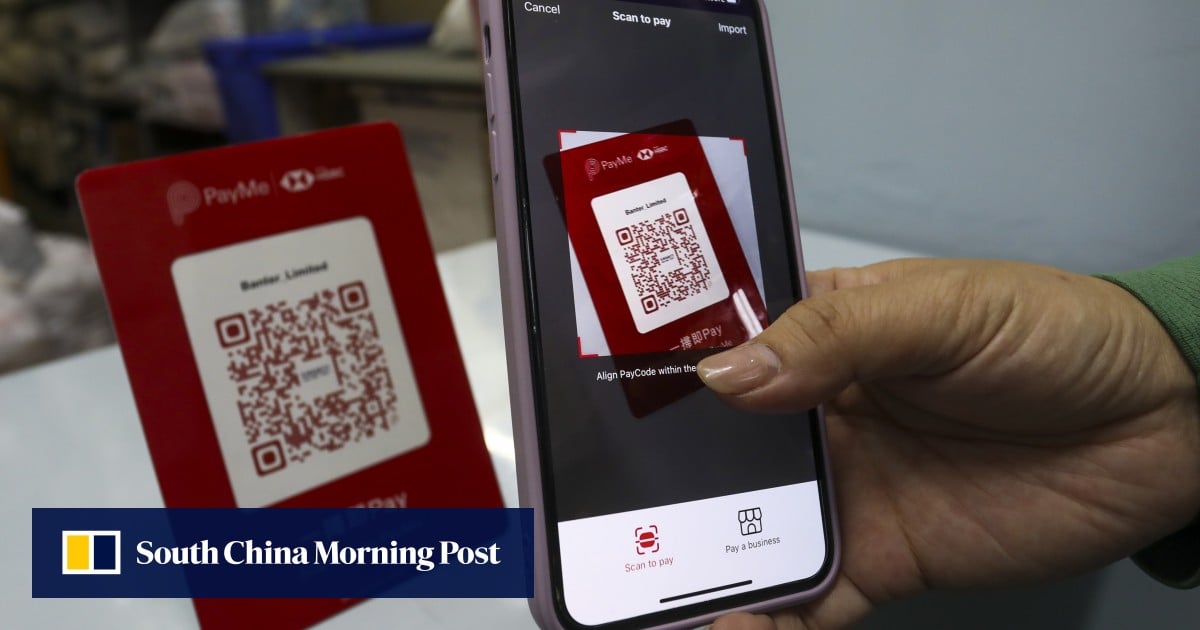
The bustling streets of Hong Kong, renowned for their vibrant commerce and technological adoption, are poised for another groundbreaking financial evolution. Imagine purchasing your morning coffee, splitting a restaurant bill with friends, or even paying for groceries, all using stablecoins directly through your smartphone. This isn't a distant futuristic fantasy but a near-term reality, as banking giant HSBC prepares to roll out stablecoin functionalities for its immensely popular PayMe app, targeting the second half of 2026. With 3.3 million users, PayMe's integration of digital currencies could fundamentally reshape the retail payment landscape in one of Asia's leading financial hubs.
The Dawn of Digital Currencies in Daily Life
For years, the concept of digital currencies has been confined largely to the speculative world of cryptocurrency trading or niche financial applications. However, stablecoins, designed to maintain a stable value by being pegged to traditional assets like the US dollar or a basket of currencies, offer a bridge between the volatility of cryptocurrencies and the stability of fiat money. Hong Kong's embrace of stablecoins through a widely adopted platform like PayMe signifies a critical juncture. It moves digital assets from the periphery to the mainstream, potentially making them as ubiquitous as credit cards or mobile wallets. The Hong Kong Monetary Authority (HKMA) has been a proactive force, laying the groundwork for this digital transformation. Their "Project Sela" initiative, a collaboration with the Bank of Israel and the Bank for International Settlements, explores the use of retail central bank digital currencies (CBDCs) and stablecoins, demonstrating a forward-thinking approach to digital finance.
This initiative is not merely about technological novelty; it's about enhancing efficiency, reducing transaction costs, and fostering greater financial inclusion. For PayMe users, the ability to seamlessly transact with stablecoins could mean faster settlements, potentially lower fees compared to traditional banking channels for certain transactions, and greater interoperability in a globalized economy. The sheer scale of PayMe's user base—representing nearly half of Hong Kong's population—underscores the potential impact. It's a strategic move by HSBC to stay ahead of the curve, recognizing the inevitable shift towards digital assets in a digitally native world.
A Two-Pronged Approach: Retail and Institutional Adoption
While HSBC focuses on the retail sector, the broader stablecoin ecosystem in Hong Kong is developing on multiple fronts. A joint venture led by Standard Chartered, alongside other prominent players like Hong Kong Exchanges and Clearing (HKEX), is simultaneously targeting institutional adoption. This venture aims to facilitate wholesale stablecoin transactions, focusing on interbank settlements, cross-border payments, and tokenized asset trading. This dual approach—retail and institutional—is crucial for building a robust and comprehensive digital asset infrastructure.
Institutional adoption often precedes widespread retail use, providing the necessary liquidity, regulatory clarity, and technological backbone. The collaboration between financial giants like Standard Chartered and HKEX signals a serious commitment to positioning Hong Kong as a global leader in digital finance, not just for individual consumers but for large-scale corporate and financial operations. This parallel development ensures that the entire financial ecosystem is prepared for the stablecoin era, creating a synergistic environment where retail and institutional flows can complement each other.
Regulatory Frameworks and Global Implications
The success of stablecoin integration hinges significantly on a clear and robust regulatory framework. The HKMA has been at the forefront of developing such regulations, aiming to strike a balance between fostering innovation and safeguarding financial stability and consumer protection. Their proposed regulatory regime for stablecoins, which includes licensing requirements for issuers and robust risk management standards, is designed to instill confidence in the nascent digital asset market. This proactive stance contrasts with some jurisdictions that have adopted a more cautious or reactive approach, giving Hong Kong a competitive edge.
Globally, central banks and financial regulators are grappling with the implications of stablecoins and CBDCs. The European Central Bank is exploring a digital euro, while the US Federal Reserve continues its research into a potential digital dollar. Hong Kong's move with PayMe and HSBC could serve as a valuable case study, demonstrating how a major financial center can successfully integrate digital currencies into daily life while maintaining regulatory oversight. The lessons learned here could inform policy decisions and technological implementations worldwide, cementing Hong Kong's reputation as an innovation hub.
Challenges and Opportunities Ahead
The road to widespread stablecoin adoption is not without its challenges. User education will be paramount; many consumers may still be unfamiliar with digital currencies and their benefits. Ensuring cybersecurity and protecting user data will also be critical to building trust. Furthermore, the interoperability of different stablecoins and their seamless integration with existing payment systems will require ongoing technological development and standardization efforts. The competitive landscape, with existing digital payment solutions like Alipay and WeChat Pay, also presents a dynamic environment where stablecoins must demonstrate clear advantages to gain traction.
However, the opportunities are immense. For businesses, stablecoins could unlock new payment rails, potentially reducing transaction costs for cross-border trade and enabling instant settlements. For consumers, it could offer greater control over their funds, enhanced privacy features (depending on implementation), and access to a broader range of financial services. The integration of stablecoins into PayMe could also spur innovation in other areas, such as decentralized finance (DeFi) applications and tokenized real-world assets, further diversifying Hong Kong's digital economy.
The Future of Money: Hong Kong Leading the Charge
Hong Kong's ambitious plan to bring stablecoins to millions of PayMe users by late 2026 marks a pivotal moment in the evolution of money. It's a bold statement about the city's commitment to embracing financial technology and maintaining its status as a global financial leader. By fostering both retail and institutional adoption within a clear regulatory framework, Hong Kong is not just experimenting with digital currencies; it is actively shaping the future of payments. As the world watches, the integration of stablecoins into everyday transactions via platforms like PayMe could very well set a new standard for how we interact with money, making digital assets an integral, stable, and secure part of our financial lives. The journey ahead promises to be transformative, with Hong Kong at the forefront of this digital monetary revolution.
Stay Informed
Get the world's most important stories delivered to your inbox.
No spam, unsubscribe anytime.
Comments
No comments yet. Be the first to share your thoughts!