Hungary's Political Earthquake: Orban's Defeat Reshapes Europe Amidst Ukraine Crisis
A historic weekend saw Viktor Orban's long reign in Hungary unexpectedly end, sending shockwaves through European politics. This defeat for a pro-Kremlin leader comes as Ukraine faces renewed aggression, with ceasefire violations and Germany's controversial pledge to return Ukrainian men. The geopolitical landscape is shifting rapidly, demanding close attention to these interconnected events.
The political tectonic plates of Europe shifted dramatically this past weekend, delivering a stunning upset in Hungary that reverberates far beyond its borders. For years, Viktor Orban had cultivated an image of unassailable power, a populist strongman whose Fidesz party seemed destined for perpetual dominance. Yet, against all odds and defying most predictions, a united opposition, fueled by record voter turnout, delivered a decisive blow, ousting the pro-Kremlin leader and signaling a potential recalibration of Central European allegiances amidst the ongoing crisis in Ukraine.
This unexpected outcome in Budapest arrives at a moment of heightened global tension, where the lines between domestic politics and international security are increasingly blurred. The defeat of a leader often seen as an ally of Moscow in the European Union adds a complex layer to the continent's response to Russia's aggression, particularly as Ukraine continues to grapple with daily challenges, from escalating ceasefire violations to the controversial debate surrounding the return of its male citizens from abroad. The confluence of these events paints a vivid picture of a continent in flux, where every political tremor can have significant geopolitical consequences.
The Hungarian Upset: A Referendum on Orban's Rule
Viktor Orban's political career has been a masterclass in consolidating power and navigating the choppy waters of European politics. Since his return to power in 2010, he transformed Hungary into what he termed an "illiberal democracy," challenging Brussels on issues ranging from migration to judicial independence. His close ties with Russian President Vladimir Putin, particularly in energy deals and diplomatic rhetoric, often put him at odds with mainstream European policy, especially in the wake of Russia's full-scale invasion of Ukraine. Critics frequently accused him of undermining democratic institutions and eroding press freedom, while supporters lauded his defense of national sovereignty and traditional values.
However, the recent election proved to be a watershed moment. The Hungarian opposition, traditionally fragmented, managed to coalesce around a single candidate and platform, presenting a unified front against Fidesz. This unprecedented unity, combined with a record turnout that indicated a deep desire for change among the electorate, proved too much for Orban's well-oiled political machine. The victory was not merely symbolic; it was a landslide, demonstrating a clear mandate for a new direction. This result sends a powerful message that even deeply entrenched populist regimes can be vulnerable when faced with a mobilized and unified opposition. The implications for other European countries with similar political landscapes, particularly those where populist leaders have cultivated ties with Moscow, are profound.
Ukraine's Enduring Ordeal: Ceasefire Violations and Manpower Debates
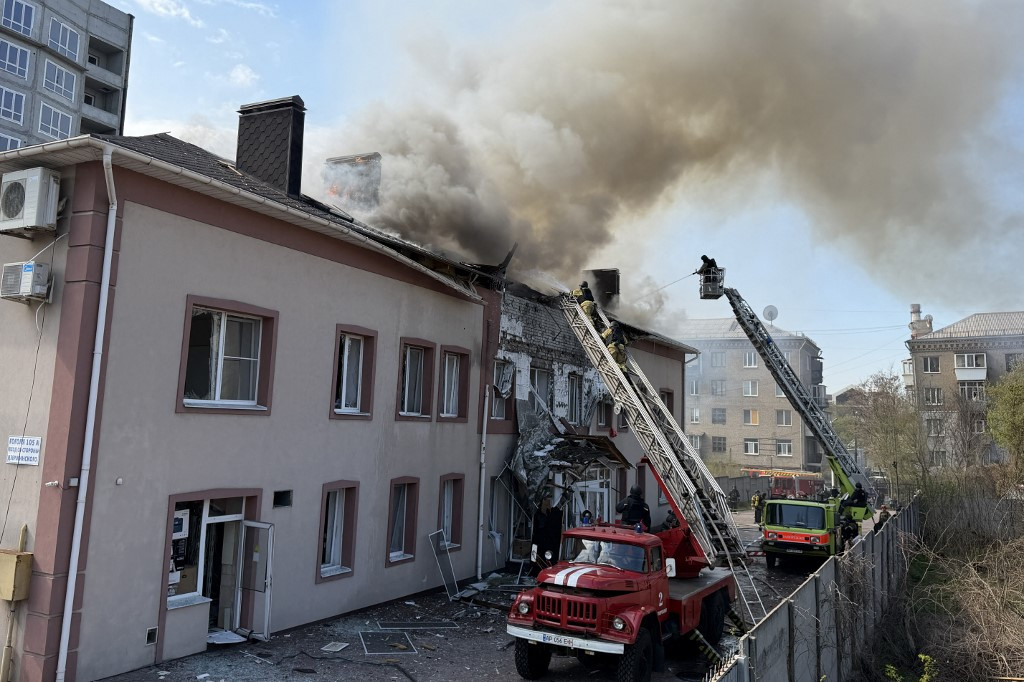
While Europe celebrated or lamented the Hungarian election results, the grim reality of conflict continued to unfold in Ukraine. The weekend brought a stark reminder of the ongoing brutality, with reports of widespread ceasefire violations across the front lines. Despite international calls for de-escalation and humanitarian pauses, the sounds of shelling and gunfire persisted, underscoring the fragility of any peace efforts. These violations are not isolated incidents; they are part of a broader pattern of aggression that continues to inflict immense suffering on the Ukrainian population and infrastructure.
Adding to Kyiv's complex challenges is the contentious issue of manpower. Germany's recent pledge to return Ukrainian men who have sought refuge within its borders has ignited a fierce debate. While some argue that all able-bodied men should return to defend their homeland, others raise concerns about human rights, the safety of individuals, and the potential for forced conscription. This policy, if widely adopted, could have significant demographic and social consequences for Ukraine, potentially depleting its workforce and separating families further. It also highlights the intricate moral and logistical dilemmas faced by allied nations supporting Ukraine, balancing military necessity with humanitarian principles.
* Key Challenges for Ukraine: * Persistent ceasefire violations and active combat. * Maintaining international support and military aid. * Addressing internal displacement and refugee crises. * Navigating complex manpower issues with allied nations. * Reconstruction and economic recovery amidst ongoing conflict.
The Geopolitical Chessboard: Europe's Shifting Alliances
The Hungarian election outcome has immediate and far-reaching geopolitical implications. Orban's defeat weakens the bloc of pro-Kremlin voices within the European Union, potentially paving the way for a more unified and robust stance against Russian aggression. For Brussels, it represents a significant victory for democratic values and a reaffirmation of the EU's foundational principles. A new Hungarian government, likely to be more aligned with mainstream European policy, could unlock previously stalled initiatives and strengthen the collective response to regional and global challenges.
However, the path forward is not without its complexities. The new Hungarian leadership will face the daunting task of rebuilding international trust, addressing domestic economic challenges, and navigating the intricate web of EU politics. Furthermore, the broader European landscape remains volatile. The war in Ukraine continues to test the resolve and unity of the continent, while internal political dynamics in other member states, such as the rise of populist movements in France and Italy, continue to pose challenges to the EU's cohesion. The Trump vs. the Pope reference in the source, though not explicitly detailed, hints at the broader ideological clashes and cultural divides that permeate Western societies, often manifesting in differing approaches to international relations and human rights.
Looking Ahead: A New Chapter for Central Europe and Beyond
The weekend's events underscore a pivotal moment in contemporary European history. The unexpected political upheaval in Hungary, coupled with the ongoing humanitarian and military crisis in Ukraine, demands a nuanced understanding of the interconnected forces at play. For Ukraine, the immediate future remains fraught with peril, but the potential for stronger European unity, bolstered by a more aligned Hungary, offers a glimmer of hope.
The international community will be closely watching the transition of power in Budapest and its subsequent foreign policy shifts. Will Hungary pivot decisively towards a more pro-European and anti-Kremlin stance? How will this impact the dynamics within the Visegrad Group and the broader Central European region? Meanwhile, the debate surrounding Ukrainian refugees and potential conscription will continue to challenge the moral compass of European nations, forcing difficult conversations about sovereignty, solidarity, and human rights. As the dust settles from this whirlwind weekend, one thing is clear: the European story is far from over, and its next chapters promise to be as compelling as they are consequential.
* Potential Impacts of Hungarian Shift: * Strengthened EU unity against Russia. * Increased cooperation within the Visegrad Group. * Re-evaluation of energy policies and Russian dependence. * Renewed focus on democratic reforms within Hungary. * Shift in regional diplomatic alignments.
Stay Informed
Get the world's most important stories delivered to your inbox.
No spam, unsubscribe anytime.
Comments
No comments yet. Be the first to share your thoughts!