Instagram's Dislike Button: A New Era for Comment Moderation and User Engagement?
Instagram is reportedly expanding its test of a dislike button for comments, moving beyond a small initial group. This feature, allowing users to downvote comments without public display of the count, signals a significant shift in how the platform manages user interaction and potentially combats toxicity. Experts weigh in on its implications for content creators, community dynamics, and the broader social media landscape, recalling similar features on platforms like Reddit and YouTube.
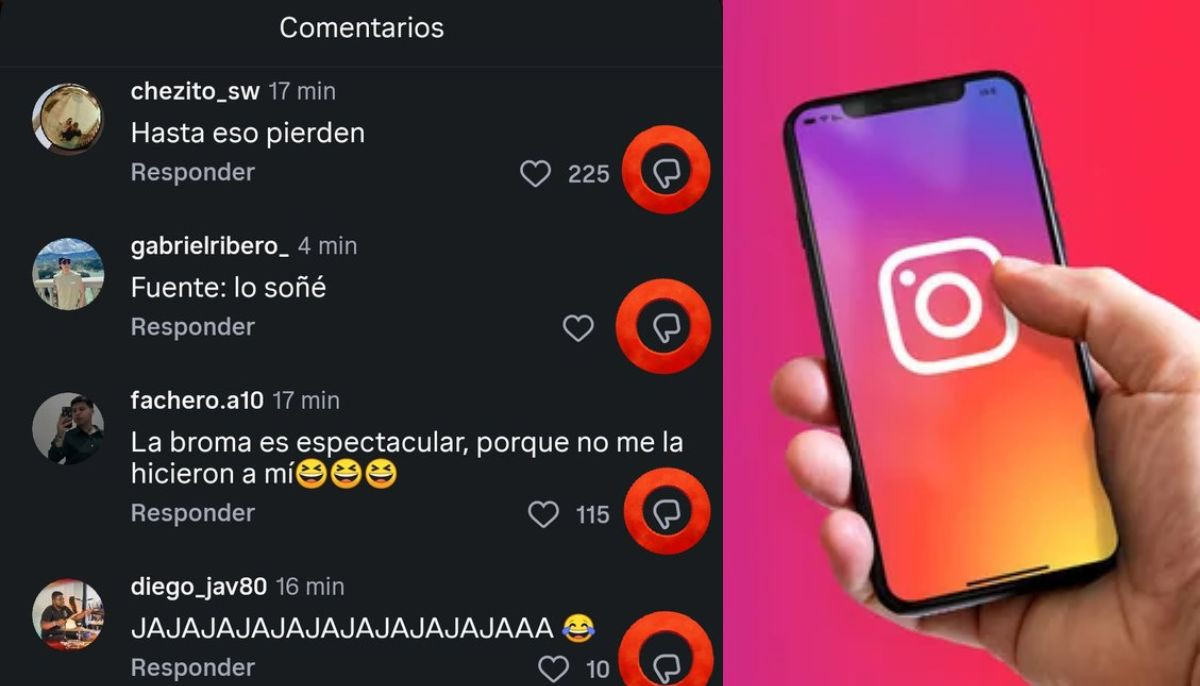
In the ever-evolving landscape of social media, where user interaction dictates the very fabric of digital communities, Instagram appears to be on the cusp of introducing a feature that could profoundly reshape its comment sections: a dislike button. Screenshots circulating across various social media platforms suggest that the Meta-owned giant is significantly expanding its test of this controversial yet potentially transformative tool, moving it beyond a small, initial user group. This development has ignited a flurry of discussion among users, content creators, and digital strategists alike, prompting a deeper look into what a 'downvote' mechanism could mean for one of the world's most influential visual platforms.
Initially, the concept of a dislike button on Instagram comments might seem counterintuitive to a platform historically focused on positive affirmation through likes and heart emojis. However, the reported implementation of this feature – a downward arrow next to comments, with the dislike count remaining private to the disliker – suggests a nuanced approach. Unlike YouTube's public dislike counts (which have also seen changes), Instagram's version seems designed to offer users a way to signal disapproval or irrelevance without publicly shaming or 'piling on' a commenter. This subtle yet powerful tool could be Instagram's latest gambit in its ongoing battle against misinformation, hate speech, and general toxicity that plagues virtually every corner of the internet.
The Precedent: Dislikes Across the Digital Realm
Instagram is hardly the first platform to experiment with or implement a dislike mechanism. Reddit, the self-proclaimed 'front page of the internet,' has built its entire community moderation system around upvotes and downvotes, allowing the most relevant and popular content and comments to rise, while less desirable contributions sink into obscurity. This system, while not without its flaws, has largely been successful in self-regulating vast and diverse communities. Similarly, YouTube has long featured a public dislike button for videos, though it recently made the controversial decision to hide public dislike counts to protect creators from targeted harassment and 'dislike mobs.'
The historical context of these features is crucial. Reddit's model emphasizes community-driven curation, empowering users to collectively decide what is valuable. YouTube's shift, conversely, highlights the potential for misuse and the psychological toll public negativity can take on creators. Instagram's approach, by making the dislike count private, seems to be attempting to strike a balance: providing users with a tool for feedback and moderation without fostering an environment of public shaming. This could allow Instagram to glean valuable data on comment quality and relevance, potentially influencing algorithmic visibility of comments, without exposing individual users to the brunt of public negativity.
Why Now? The Imperative for Better Comment Moderation
The timing of Instagram's expanded test is no coincidence. Social media platforms, including Instagram, have faced intense scrutiny over their content moderation practices. From the spread of misinformation to cyberbullying and hate speech, the comments section often becomes a breeding ground for negativity that can detract from the overall user experience and even harm individuals. Traditional moderation methods, relying on reporting and human review, are often reactive and struggle to keep pace with the sheer volume of user-generated content.
A dislike button, even a private one, could serve as a powerful, scalable, and user-driven moderation signal. Imagine a scenario where a comment containing misinformation or a personal attack receives numerous private dislikes. While not publicly visible, these signals could alert Instagram's algorithms to potentially problematic content, flagging it for review or even reducing its visibility. This proactive, crowd-sourced approach could significantly enhance the platform's ability to identify and address harmful content more efficiently than relying solely on explicit user reports. It transforms every user into a potential micro-moderator, contributing to the health of the digital ecosystem.
Furthermore, for content creators, particularly those who rely on Instagram for their livelihood, the current comment landscape can be a minefield. While positive engagement is highly valued, dealing with a barrage of irrelevant, spammy, or outright abusive comments can be exhausting and demoralizing. A dislike button could offer a silent mechanism for their followers to filter out the noise, theoretically leading to more constructive and relevant discussions beneath their posts. This could empower creators by giving them a cleaner, more positive engagement space, fostering healthier communities around their content.
Implications for User Experience and Community Dynamics
The introduction of a dislike button, even a private one, carries significant implications for the overall user experience and the dynamics of Instagram communities. For the average user, it provides a much-requested tool to express nuanced feedback beyond just 'liking' or 'reporting.' It acknowledges that not all comments are equally valuable or appropriate, giving users a direct, low-friction way to signal this without engaging in a public debate.
However, there are potential pitfalls. While the private nature of the dislike count aims to prevent public shaming, the very existence of the button could subtly shift user behavior. Will users become more cautious about what they post, knowing their comments can be silently downvoted? Could it lead to a chilling effect on dissenting opinions, even if the count isn't public? These are questions that Instagram will undoubtedly be monitoring closely during its expanded test phase. The goal, presumably, is to elevate the quality of discourse, not suppress it.
For content creators, the feature could be a double-edged sword. On one hand, it could help filter out unwanted comments, leading to a more positive engagement environment. On the other hand, a high number of private dislikes on a particular comment might still be visible to the creator, potentially causing anxiety or leading to self-censorship. The success of this feature will largely depend on how transparent Instagram is with creators about the data it collects and how it uses those signals to improve comment quality without unduly penalizing or discouraging legitimate expression.
The Road Ahead: Data, Algorithms, and the Future of Engagement
As Instagram expands this test, the data collected will be invaluable. How do users interact with the dislike button? Does it lead to a measurable improvement in comment quality? Does it reduce the prevalence of spam or hate speech? These are critical questions that will inform whether the feature is rolled out globally and how it might be further refined.
Ultimately, the dislike button is not just about giving users a new tool; it's about providing Instagram with a richer dataset to feed its algorithms. These algorithms, which already determine what content users see and how comments are ranked, could be trained to prioritize comments that receive fewer dislikes and deprioritize those that accumulate many. This could lead to a more intelligent and responsive moderation system, one that is constantly learning from user input.
In conclusion, Instagram's expanded test of a dislike button for comments represents a significant step in the platform's ongoing efforts to cultivate healthier, more engaging digital communities. While its private nature distinguishes it from other platforms' implementations, its potential to empower users, aid content creators, and enhance algorithmic moderation is substantial. The success of this feature will hinge on its ability to foster constructive dialogue and filter out negativity without stifling genuine expression. As the digital world continues to grapple with the complexities of online interaction, Instagram's dislike button could mark a new chapter in the quest for a more civil and valuable social media experience.
Stay Informed
Get the world's most important stories delivered to your inbox.
No spam, unsubscribe anytime.
Comments
No comments yet. Be the first to share your thoughts!