International Leopard Day: Unmasking the Silent Hunter's Struggle for Survival
International Leopard Day shines a light on one of the planet's most elusive and adaptable predators, the leopard. Despite their widespread range, these magnificent big cats face escalating threats from habitat loss, poaching, and human-wildlife conflict. This article delves into the silent crisis facing leopards globally and explores the urgent conservation efforts needed to secure their future.
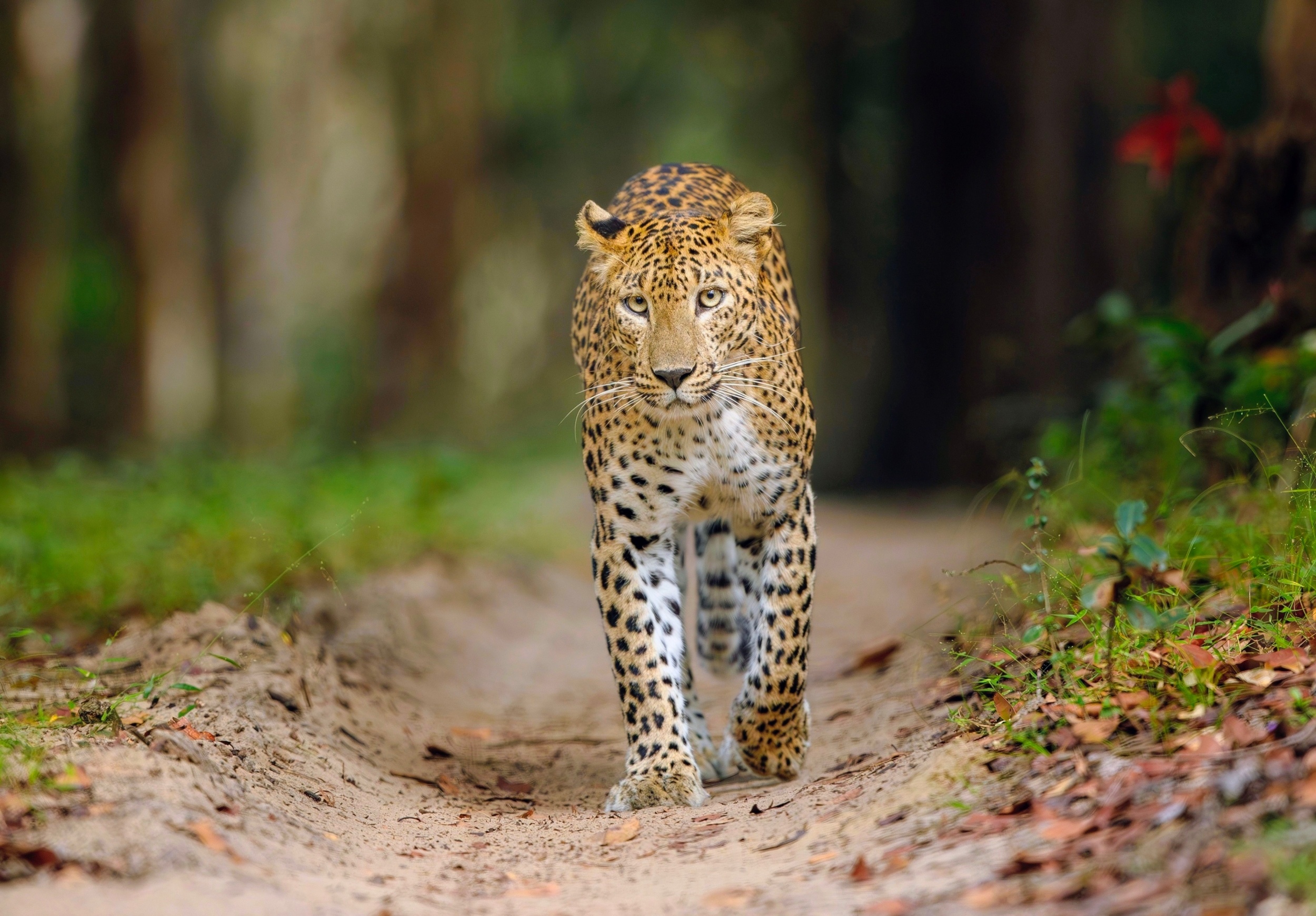
A forest can seem empty at first glance – no movement, no sound. But that quiet is often deceptive. A leopard may be nearby, perfectly still, watching from the shadows, its rosetted coat blending seamlessly with the dappled light. This quiet, almost invisible presence defines the animal, making it one of the most successful and adaptable predators on Earth. Yet, this very elusiveness, combined with its wide distribution, has ironically contributed to its being one of the most overlooked big cats, even as it faces a silent, accelerating crisis. International Leopard Day, observed annually, serves as a crucial reminder of this magnificent creature's plight and the urgent need for its protection.
The Ghost of the Wilderness: An Apex Predator's Global Reach
Leopards (_Panthera pardus_) are perhaps the most widespread of all big cats, historically ranging across vast swathes of Africa, the Middle East, and Asia. From the arid deserts of Namibia to the snowy peaks of the Himalayas, and from the dense rainforests of Southeast Asia to the savannas of East Africa, their adaptability is unparalleled. This incredible versatility allows them to thrive in diverse ecosystems, preying on everything from small rodents to large antelopes. Their solitary nature, nocturnal habits, and exceptional camouflage make them incredibly difficult to study, earning them the moniker "ghost of the wilderness." Unlike lions or tigers, which often garner more public attention, the leopard's quiet existence often means its struggles go unnoticed by the wider world. This broad distribution, however, masks a fragmented and declining population across much of its range. While some subspecies, like the African leopard, are still relatively numerous in certain areas, others, such as the critically endangered Amur leopard, number only in the dozens.
Historically, leopards have coexisted with humans for millennia, often viewed with a mixture of fear and reverence. Their cultural significance is profound, appearing in ancient myths, folklore, and heraldry across continents. In many African cultures, the leopard symbolizes power, agility, and cunning. In Asia, it is revered for its beauty and strength. Yet, this cultural appreciation has not always translated into effective conservation. The very traits that make them so successful – their adaptability and stealth – have also made them vulnerable to human encroachment and exploitation.
Escalating Threats: A Silent Decline
The threats facing leopards are multifaceted and interconnected, leading to a precipitous decline in their numbers across much of their historic range. The primary drivers of this decline include:
* Habitat Loss and Fragmentation: As human populations expand, forests are cleared for agriculture, infrastructure, and urban development. This destroys the leopards' natural hunting grounds and forces them into smaller, isolated pockets of wilderness. Fragmentation also limits genetic diversity, making populations more vulnerable to disease and environmental changes. * Poaching and Illegal Wildlife Trade: Leopards are highly sought after for their beautiful coats, which are used in traditional attire and luxury items, particularly in parts of Asia and Africa. Their body parts, including bones and organs, are also trafficked for use in traditional medicine, often as substitutes for tiger parts due. This illegal trade is a multi-billion dollar industry, pushing many leopard populations to the brink. * Human-Wildlife Conflict: As their habitats shrink, leopards increasingly come into contact with human settlements and livestock. When leopards prey on domestic animals, they are often retaliated against by farmers and pastoralists, leading to retaliatory killings. This conflict is exacerbated by a lack of effective livestock protection measures and economic hardship in rural communities. * Prey Depletion: Overhunting of the leopards' natural prey by humans, for bushmeat or sport, reduces the food available for leopards, forcing them to seek out livestock or move into areas where they are more likely to encounter humans.
Recent studies highlight the severity of the situation. The IUCN Red List classifies the leopard as "Vulnerable," but many subspecies are far more imperiled, with some listed as "Critically Endangered." For instance, the Amur leopard population, found in the Russian Far East and northeastern China, is estimated to be fewer than 120 individuals. The Javan leopard, endemic to the Indonesian island of Java, faces similar dire numbers due to extreme habitat loss on one of the world's most densely populated islands.
Conservation in Action: A Race Against Time
Despite the daunting challenges, dedicated conservationists, local communities, and international organizations are working tirelessly to protect leopards. These efforts encompass a range of strategies:
* Habitat Protection and Restoration: Establishing and expanding protected areas, national parks, and wildlife corridors is crucial. Reforestation efforts and sustainable land management practices help restore degraded habitats and connect fragmented populations. For example, initiatives in India and Nepal focus on securing corridors for leopards and other big cats. * Anti-Poaching Measures: Strengthening law enforcement, increasing patrols, and utilizing advanced technologies like camera traps and drones help deter poachers. Community-based anti-poaching units, often comprising former poachers, have proven effective in some regions. International cooperation is vital to dismantle sophisticated wildlife trafficking networks. * Mitigating Human-Wildlife Conflict: Implementing strategies such as predator-proof enclosures for livestock, early warning systems, and compensation schemes for livestock losses can reduce retaliatory killings. Education and awareness programs help local communities understand the ecological importance of leopards and promote coexistence. * Research and Monitoring: Scientific research provides critical data on leopard populations, movements, and threats. Techniques like camera trapping, genetic analysis, and satellite telemetry help conservationists understand population dynamics and inform targeted conservation actions. This data is essential for adaptive management and measuring the success of interventions. * Community Engagement and Ecotourism: Involving local communities in conservation efforts, providing alternative livelihoods, and promoting responsible ecotourism can create economic incentives for protecting leopards. When communities benefit directly from wildlife, they become powerful allies in conservation.
Organizations like the World Wildlife Fund (WWF), Panthera, and various national wildlife trusts are at the forefront of these efforts, working with governments and local partners to implement these strategies on the ground. Their work ranges from protecting critical habitats in Africa to combating illegal trade routes in Asia.
The Future of the Spotted Shadow: A Collective Responsibility
The future of the leopard, the silent hunter, hinges on a collective global effort. International Leopard Day serves as a powerful reminder that these magnificent creatures are not just symbols of wild beauty but also vital components of healthy ecosystems. As apex predators, they play a crucial role in maintaining the balance of their environments by regulating prey populations. Their decline can have cascading effects, disrupting entire food webs and ecosystem health.
Securing the future for leopards requires sustained political will, robust funding, and a fundamental shift in human attitudes towards wildlife. It means recognizing that our actions, from consumption choices to land use policies, have direct impacts on these animals. Supporting sustainable practices, advocating for stronger wildlife protection laws, and contributing to reputable conservation organizations are all ways individuals can make a difference. The challenge is immense, but the stakes are even higher. Allowing the ghost of the wilderness to fade into oblivion would be a profound loss not only for biodiversity but for the very soul of our planet. The time to act decisively to protect this iconic big cat is now, before its silent presence becomes a permanent absence.
Stay Informed
Get the world's most important stories delivered to your inbox.
No spam, unsubscribe anytime.
Comments
No comments yet. Be the first to share your thoughts!