iPhone's 200MP Telephoto Lens: The Long Wait for Apple's Next Camera Revolution
Apple has reportedly tested a 200-megapixel telephoto camera sensor for future iPhones, but its integration into consumer devices is not expected before 2028. This delay, revealed by leaker Digital Chat Station, suggests Apple is prioritizing optimization and ecosystem integration over raw megapixel count. The move could redefine mobile photography, offering unprecedented zoom capabilities and detail, but users will need to exercise patience.
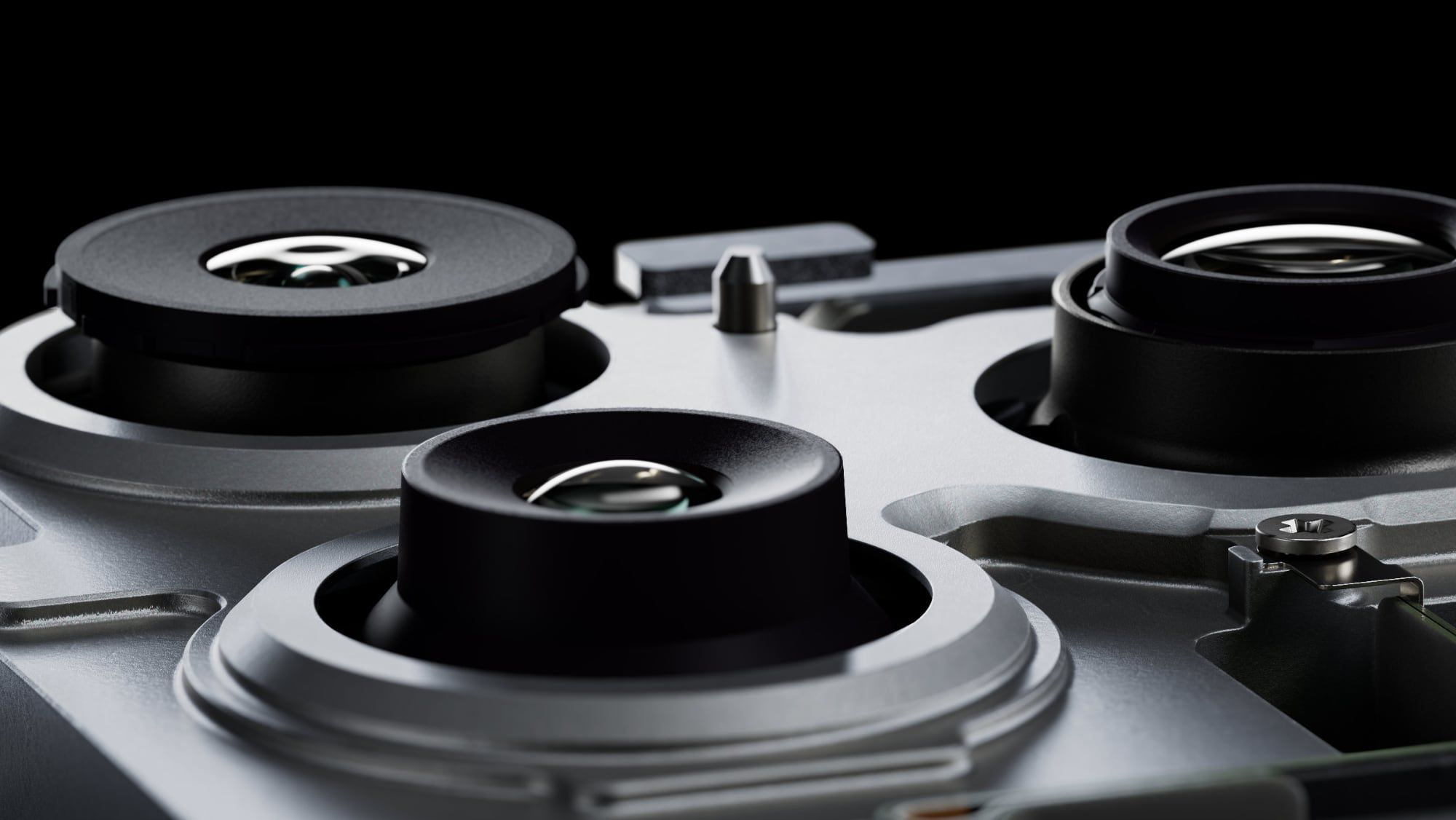
The relentless pursuit of photographic perfection in smartphones has driven innovation at a breakneck pace, with manufacturers constantly pushing the boundaries of what tiny lenses and sensors can achieve. For years, Apple has been a key player in this arena, often opting for refined image processing and sensor optimization over raw megapixel counts. However, a recent revelation from the well-regarded leaker Digital Chat Station suggests that a monumental shift is on the horizon: Apple has reportedly tested a 200-megapixel telephoto camera sensor for the iPhone, though its arrival in consumer models is not anticipated before 2028.
This news, initially shared on China's Weibo social platform, sends ripples through the tech world. While the idea of a 200MP sensor itself is groundbreaking for a smartphone, the extended timeline for its release speaks volumes about Apple's meticulous development process and strategic planning. It's not merely about slapping a high-resolution sensor into a device; it's about perfecting the entire photographic pipeline, from optics to computational photography algorithms.
The Megapixel Arms Race: A Brief History
For decades, camera manufacturers, and more recently smartphone makers, have engaged in what's often dubbed the "megapixel arms race." Early digital cameras boasted resolutions in the single digits, which quickly escalated to tens of megapixels. In the smartphone space, companies like Samsung and Xiaomi have already embraced ultra-high-resolution sensors, with 108MP and even 200MP main cameras becoming common in their flagship devices. These sensors often employ pixel-binning technology, combining data from multiple adjacent pixels to create a larger "super pixel" for improved low-light performance, while still offering the option for full-resolution shots in ideal conditions.
Apple, by contrast, has historically been more conservative with megapixel increases. For years, iPhones stuck to 12MP sensors, focusing instead on larger sensor sizes, advanced image stabilization, and sophisticated computational photography techniques like Deep Fusion and the Photonic Engine. This approach has allowed iPhones to consistently deliver excellent image quality, often outperforming rivals with higher megapixel counts in real-world scenarios. The rumored 200MP telephoto lens, therefore, represents a significant departure from this philosophy, signaling a potential new direction for Apple's camera strategy.
Why a 200MP Telephoto and Why the Delay?
The choice of a 200MP sensor specifically for the telephoto lens is particularly intriguing. Telephoto lenses, especially those utilizing periscope technology (which Apple adopted with the iPhone 15 Pro Max), are designed to provide optical zoom capabilities. Higher megapixel counts in a telephoto lens would translate directly into greater detail retention at extreme zoom levels, allowing for significant cropping without a noticeable loss in quality. Imagine capturing a distant architectural detail or a wildlife shot with unprecedented clarity – that's the promise of such a sensor.
The delay until 2028, however, is equally telling. Several factors could contribute to this extended timeline:
* Technological Maturation: While prototypes exist, integrating such a high-resolution sensor into the compact form factor of an iPhone, especially one designed for telephoto, presents immense engineering challenges. This includes optimizing lens elements, managing heat dissipation, and ensuring efficient data transfer and processing. * Software and Computational Photography: Apple's strength lies in its software. A 200MP telephoto sensor would demand entirely new computational photography algorithms to handle the massive amount of data, improve dynamic range, reduce noise, and seamlessly integrate with other camera modules. Developing and refining these algorithms takes time. * Supply Chain and Cost: Mass production of such advanced sensors and accompanying optics at Apple's scale requires robust supply chains and cost-effective manufacturing processes. It's possible that current production capabilities or component costs are not yet aligned with Apple's strategic goals. * Strategic Release Cycle: Apple often introduces major hardware advancements incrementally. Waiting until 2028 allows them to potentially bundle this feature with other significant iPhone redesigns or technological leaps, creating a more impactful product launch.
Implications for Mobile Photography and Competition
Should Apple successfully implement a 200MP telephoto lens, it would undoubtedly set a new benchmark for mobile photography. Users could expect:
* Unprecedented Zoom Clarity: Far superior detail retention at high zoom levels, blurring the line between smartphone and dedicated camera telephoto capabilities. * Enhanced Cropping Flexibility: The ability to crop images significantly post-capture without sacrificing quality, offering more compositional freedom. * Potential for 8K Video Zoom: While speculative, such a high-resolution sensor could enable new possibilities for zoomed-in 8K video recording with exceptional detail.
This move would also intensify the competition. Other Android manufacturers, already pushing high megapixel counts, would likely respond with their own advancements, potentially leading to a new era of "super-zoom" smartphones. The focus might shift from just wide-angle and ultrawide to truly exceptional telephoto performance.
The Future of iPhone Photography: Patience is a Virtue
The revelation of Apple testing a 200MP telephoto sensor for the iPhone, despite its distant 2028 release target, paints an exciting picture for the future of mobile photography. It underscores Apple's commitment to pushing technological boundaries, even if it means a longer development cycle to ensure perfection. While the wait may seem arduous for tech enthusiasts and photography aficionados, it suggests that when this feature finally arrives, it will be a truly refined and revolutionary addition to the iPhone's already impressive camera system. Until then, the anticipation builds, and the industry watches closely to see how Apple will once again redefine what's possible with a smartphone camera.
Stay Informed
Get the world's most important stories delivered to your inbox.
No spam, unsubscribe anytime.
Comments
No comments yet. Be the first to share your thoughts!