Iran Defies US Sanctions: Ghalibaf Mocks Blockade Amid Soaring Oil Price Warnings
Iran's Parliament Speaker Mohammad Bagher Ghalibaf has openly ridiculed the Trump administration's naval blockade efforts against Iranian oil exports, asserting the strategy's failure. His remarks underscore Tehran's resilience and suggest that despite sanctions, Iran's oil infrastructure remains robust. This defiance comes as experts warn of potential global oil price surges to $140 per barrel, highlighting the complex and volatile dynamics of international energy markets and geopolitical tensions.
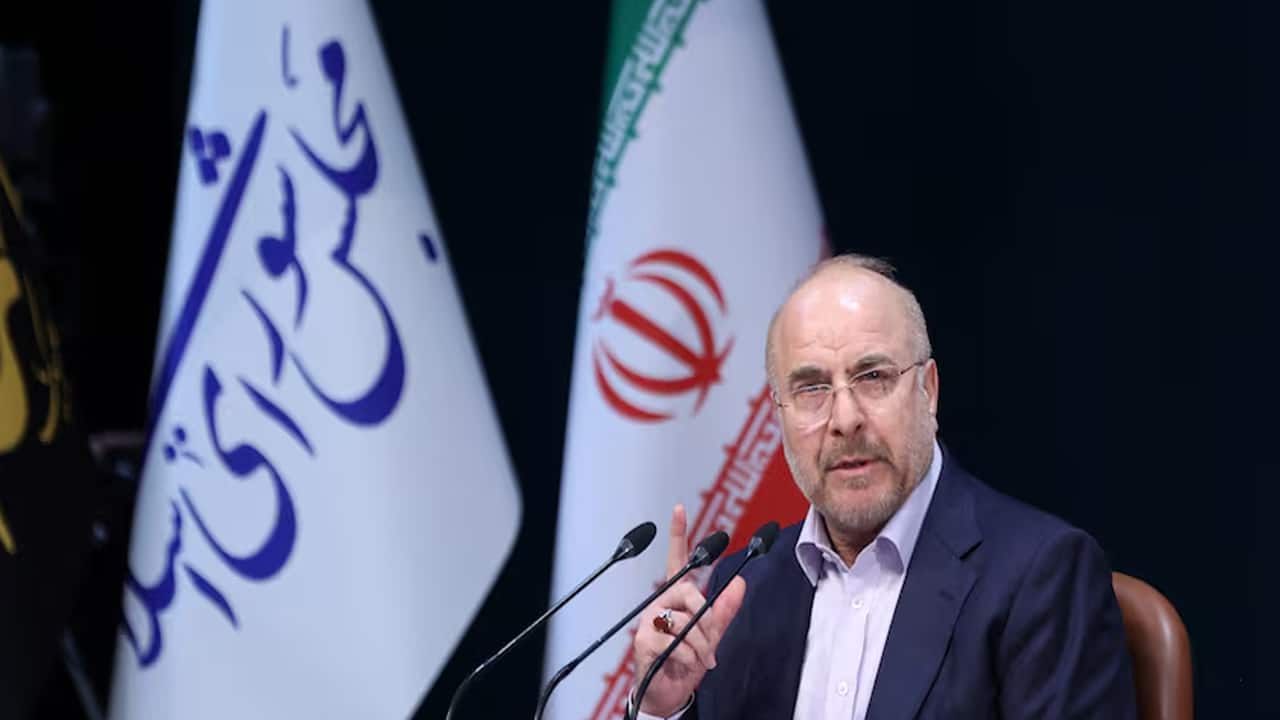
In a bold display of defiance and political theater, Iran’s Parliament Speaker Mohammad Bagher Ghalibaf has publicly scoffed at the United States’ attempts to cripple Iranian oil exports through naval blockades. His recent comments, delivered via a post on X (formerly Twitter), paint a picture of an Iranian economy unbowed by Washington’s pressure tactics, even as global energy markets brace for potential volatility. Ghalibaf's assertion that no Iranian oil wells have ‘exploded’ serves as a direct challenge to the efficacy of US sanctions, suggesting a fundamental miscalculation by American policymakers regarding Tehran's resilience and strategic maneuvering. This episode not only highlights the ongoing geopolitical friction between Iran and the US but also casts a long shadow over the future of global oil prices, with dire warnings of a surge to $140 per barrel.
The Anatomy of a Failed Blockade: Iran's Perspective
Ghalibaf’s mockery isn't merely political rhetoric; it reflects a deeply held belief within Iranian leadership that the US strategy of ‘maximum pressure’ has largely failed to achieve its primary objectives. The Trump administration, which unilaterally withdrew from the Joint Comprehensive Plan of Action (JCPOA) in 2018, reimposed stringent sanctions with the explicit goal of reducing Iran's oil exports to zero. This included threats against any entity found to be purchasing Iranian oil, effectively aiming for a naval blockade without direct military confrontation. However, Ghalibaf’s statement, “No oil wells in Iran have exploded,” directly counters the narrative of a crippled Iranian oil industry. It implies that despite the logistical challenges and financial penalties, Iran has found ways to continue exporting oil, albeit often through clandestine methods or by leveraging its network of allies and intermediaries. This resilience is partly due to Iran's vast hydrocarbon reserves, ranking among the world's largest, and its long history of navigating international sanctions, dating back decades.
Historically, Iran has demonstrated remarkable adaptability in the face of economic warfare. During the Iran-Iraq War in the 1980s, despite significant damage to its oil infrastructure, the country maintained production and export capabilities. More recently, under various rounds of UN and US sanctions, Iran developed sophisticated methods for ship-to-ship transfers, obfuscating tanker identities, and utilizing complex financial networks to bypass restrictions. The current situation, as articulated by Ghalibaf, suggests that these adaptive strategies continue to be effective, undermining the intended impact of the US blockade. The psychological warfare aspect is also crucial here; by publicly ridiculing the US, Iran aims to project strength and unity, both domestically and internationally, positioning itself as a victor in an economic standoff.
Global Repercussions: The $140 Barrel Threat
The implications of Iran's continued oil exports, coupled with ongoing geopolitical tensions, extend far beyond the immediate US-Iran dynamic. The warning of global oil prices potentially surging to $140 per barrel is a stark reminder of the interconnectedness of energy markets and international politics. Such a price hike would have catastrophic effects on the global economy, triggering inflation, increasing transportation costs, and potentially leading to a worldwide recession. For context, crude oil prices briefly touched $147 per barrel in July 2008, contributing to the global financial crisis that followed. A return to such levels, or even higher, would be devastating for energy-importing nations, particularly those in Europe and Asia, which are already grappling with economic uncertainties.
Several factors contribute to this potential price surge:
* Supply Disruptions: Any perceived or actual disruption to oil supply, whether from sanctions, geopolitical conflicts, or natural disasters, immediately impacts prices. Iran, as a major producer, plays a significant role in global supply. * Geopolitical Instability: The broader instability in the Middle East, including conflicts in Yemen, Iraq, and the ongoing Israeli-Palestinian conflict, adds a risk premium to oil prices. Any escalation could further tighten supply. * OPEC+ Decisions: The decisions of the Organization of the Petroleum Exporting Countries and its allies (OPEC+) regarding production quotas heavily influence global supply. If OPEC+ decides to maintain or further cut production, prices could rise. * Demand Recovery: A robust global economic recovery, particularly in large economies like China and India, would increase demand for oil, pushing prices upward if supply remains constrained.
Expert analysis suggests that while the US sanctions have undoubtedly impacted Iran's official oil revenues, they have not completely halted exports. Instead, they have forced Iran to sell its oil at a discount, primarily to Asian markets, thereby reducing its revenue but maintaining a presence in the global market. This dynamic complicates efforts to stabilize oil prices and underscores the limitations of unilateral sanctions in a globally integrated economy.
The Shifting Sands of Geopolitics: Beyond Trump
While Ghalibaf specifically targeted the Trump administration's policies, the underlying tensions and strategies have largely persisted, albeit with different nuances, under the Biden administration. The Biden White House has pursued a more diplomatic approach, attempting to revive the JCPOA, but has maintained many sanctions due to Iran's nuclear program advancements and regional activities. This continuity highlights a bipartisan consensus in Washington regarding the need to contain Iran, even if the methods differ.
Iran, for its part, has consistently called for the lifting of all sanctions as a prerequisite for any meaningful negotiations. Its strategy appears to be one of endurance and strategic patience, betting that the international community, or at least key global players, will eventually grow weary of the economic pressure and seek a more pragmatic solution. The recent rapprochement between Iran and Saudi Arabia, brokered by China, further complicates the geopolitical landscape, potentially creating new regional alliances that could undermine US influence and sanction effectiveness.
Furthermore, the global energy transition towards renewables also plays a role. While long-term, this transition introduces uncertainty into future oil demand and supply dynamics. However, in the short to medium term, fossil fuels remain indispensable, making the stability of traditional oil-producing regions like the Middle East critically important.
Conclusion: A Precarious Balance
Mohammad Bagher Ghalibaf’s defiant remarks serve as a potent symbol of Iran's unwavering stance against US sanctions and its perceived victory in an economic war. While the immediate impact of his words is political, the underlying reality of Iran's continued oil exports and the potential for a global oil price surge to $140 per barrel are economic realities that cannot be ignored. The international community faces a precarious balance: how to address Iran's nuclear ambitions and regional activities without destabilizing global energy markets and triggering a wider economic crisis. The effectiveness of sanctions as a foreign policy tool is once again under intense scrutiny, with Iran's resilience providing a powerful counter-narrative. As the world grapples with inflation and economic uncertainty, the ongoing saga of Iranian oil and US sanctions remains a critical factor shaping the global economic and geopolitical landscape. The path forward will undoubtedly require nuanced diplomacy, strategic foresight, and a deep understanding of the complex interplay between energy, economics, and international relations.
Stay Informed
Get the world's most important stories delivered to your inbox.
No spam, unsubscribe anytime.
Comments
No comments yet. Be the first to share your thoughts!