Iran Rejects Further US Talks Amid Hormuz Tensions: A Deep Dive into Geopolitical Stalemate
Iran has firmly rejected a second round of negotiations with the United States, citing a lack of common framework and continued US sanctions. This decision intensifies an already volatile geopolitical landscape, particularly concerning the critical Strait of Hormuz. Experts warn of escalating tensions and the potential for miscalculation as both nations maintain rigid stances.
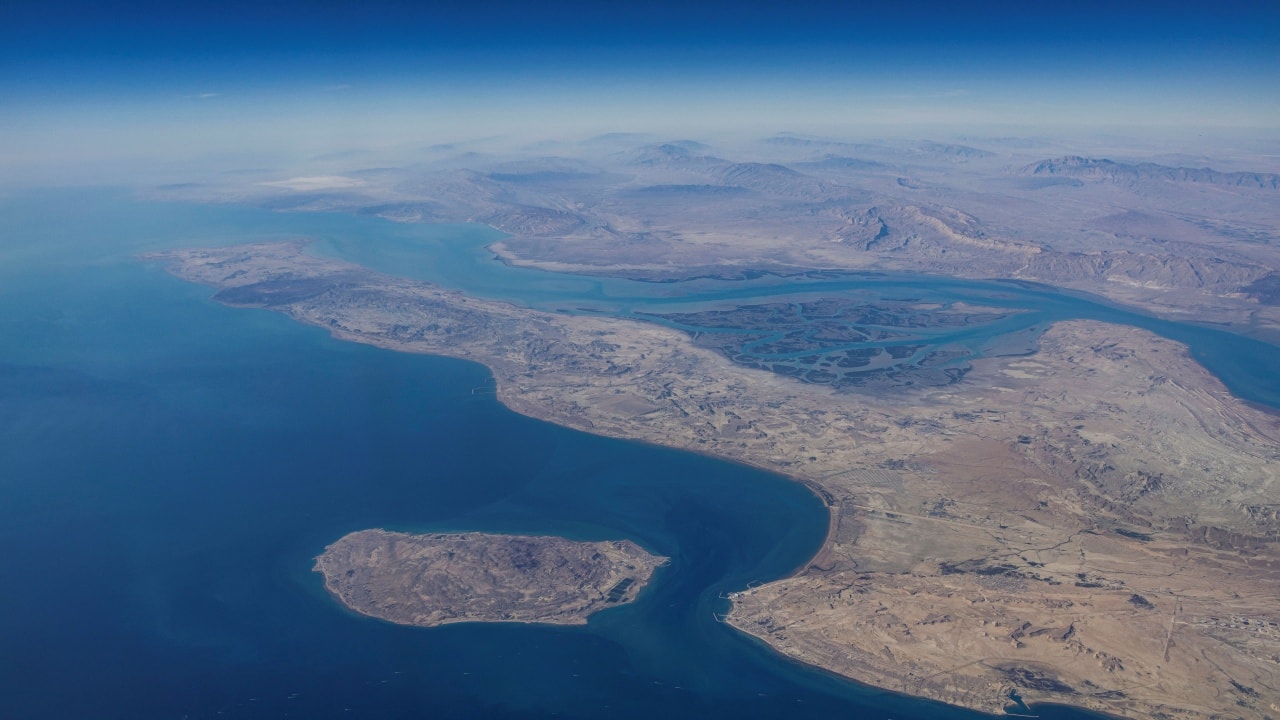
In a significant blow to diplomatic efforts, Iran has unequivocally refused to engage in a second round of negotiations with the United States, effectively cementing a protracted geopolitical stalemate. The announcement, conveyed by Iranian Foreign Ministry spokesman Saeed Khatibzadeh, underscores Tehran's insistence on a "common framework" for discussions, a condition Washington appears unwilling or unable to meet. This latest development casts a long shadow over the already fraught relationship between the two adversaries, particularly as concerns mount over the security of the vital Strait of Hormuz.
The Unyielding Standoff: A History of Mistrust
The current impasse is not an isolated incident but rather the latest chapter in a decades-long saga of animosity and mistrust. Relations between Iran and the US have been characterized by periods of intense confrontation interspersed with fleeting moments of engagement, often collapsing under the weight of historical grievances and divergent strategic interests. The 1979 Islamic Revolution fundamentally altered the geopolitical landscape, transforming Iran from a key US ally into a staunch ideological adversary. Subsequent events, including the Iran-Contra affair, the US invasion of Iraq, and Iran's controversial nuclear program, have only deepened the chasm.
The landmark Joint Comprehensive Plan of Action (JCPOA), signed in 2015, represented a rare diplomatic breakthrough, offering a pathway for Iran to curb its nuclear ambitions in exchange for sanctions relief. However, the US withdrawal from the agreement in 2018 under the Trump administration, followed by the re-imposition of crippling sanctions, shattered this fragile détente. Iran responded by gradually scaling back its commitments under the JCPOA, leading to a dangerous cycle of escalation. Tehran views the US withdrawal and continued sanctions as a breach of international law and a primary impediment to any meaningful dialogue. "Discussions cannot move forward until both sides agree on a common framework," Khatibzadeh stated, implying that the US must first demonstrate good faith, likely through sanctions relief or a return to the JCPOA.
The Strait of Hormuz: A Global Chokepoint
At the heart of the current tensions lies the Strait of Hormuz, a narrow waterway connecting the Persian Gulf to the open ocean. Approximately 20% of the world's petroleum and a significant portion of its liquefied natural gas pass through this strait daily, making it arguably the most critical oil chokepoint globally. Iran, strategically positioned along the northern shore of the strait, has repeatedly threatened to disrupt shipping in response to perceived threats or economic pressure, particularly US sanctions targeting its oil exports.
* Economic Lifeline: For Iran, the strait is crucial for its own oil exports, which form the backbone of its economy. Any disruption impacts its primary revenue source. * Global Energy Security: For the international community, especially major energy consumers in Asia and Europe, the free flow of oil through Hormuz is paramount for global energy security and economic stability. * Military Flashpoint: The presence of both Iranian Revolutionary Guard Corps (IRGC) naval forces and US Fifth Fleet assets in the vicinity creates a constant potential for miscalculation or accidental confrontation. Incidents involving tanker seizures, drone shoot-downs, and attacks on shipping have become alarmingly frequent in recent years.
The current refusal to negotiate exacerbates the risk of a military confrontation in this sensitive region. Without diplomatic channels, the likelihood of de-escalation through dialogue diminishes, leaving military posturing and economic pressure as the primary tools of interaction.
Expert Analysis: A Dangerous Stalemate
Analysts are largely in agreement that the current situation is precarious. Dr. Sarah Khan, a senior fellow at the Middle East Institute, notes, "Iran's refusal to engage further without a clear commitment from the US on sanctions relief signals a deep-seated distrust. They believe the US cannot be relied upon to honor agreements, a sentiment solidified by the JCPOA's collapse." She adds, "From Tehran's perspective, talking for the sake of talking while under immense economic pressure is a non-starter. They need tangible concessions."
Conversely, US policy often emphasizes the need for Iran to curb its regional destabilizing activities and ballistic missile program, viewing these as prerequisites for broader engagement. This fundamental divergence in priorities creates a seemingly intractable problem. "The US wants to address a broader range of Iranian behaviors, while Iran wants sanctions lifted first," explains Professor David Miller, a geopolitical strategist. "Neither side seems willing to compromise on their core demands, leading to this dangerous diplomatic vacuum."
The implications of this stalemate are far-reaching:
* Increased Regional Instability: Without a diplomatic off-ramp, regional proxies and non-state actors may feel emboldened, leading to a surge in proxy conflicts across the Middle East. * Nuclear Proliferation Concerns: Iran's continued enrichment of uranium, albeit under some IAEA monitoring, raises fears of a potential dash towards nuclear weapon capability, further destabilizing the region. * Economic Volatility: The threat to oil supplies from the Strait of Hormuz could lead to spikes in global oil prices, impacting economies worldwide. * Erosion of International Law: The perception that international agreements can be unilaterally abandoned undermines the global diplomatic framework.
The Path Forward: A Glimmer of Hope or Continued Darkness?
Despite the current bleak outlook, history suggests that diplomatic breakthroughs, however unlikely, are always possible. However, such breakthroughs typically require a significant shift in policy or a change in leadership on one or both sides. For now, the onus appears to be on finding a creative solution that addresses both Iran's demand for sanctions relief and the international community's concerns about its nuclear program and regional conduct.
One potential avenue, though challenging, could involve a phased approach where limited sanctions relief is granted in exchange for specific, verifiable steps by Iran to roll back its nuclear activities. This would require a level of trust that is currently absent. Another option might involve third-party mediation, perhaps by European powers or regional actors, to bridge the communication gap.
However, as long as both Washington and Tehran maintain their rigid positions, the prospect of a second round of talks remains distant. The refusal to engage in dialogue, particularly when coupled with heightened military activity and economic pressure, only serves to amplify the risks in an already volatile region. The world watches with bated breath, hoping that diplomacy, however difficult, can eventually prevail over the looming specter of confrontation in the critical waters of the Persian Gulf.
Stay Informed
Get the world's most important stories delivered to your inbox.
No spam, unsubscribe anytime.
Comments
No comments yet. Be the first to share your thoughts!