Iran's 'Lift the Blockade' Demand: A New Chapter in US-Iran Diplomacy?
Iran has set a non-negotiable precondition for resuming talks with the United States: the immediate lifting of Washington's naval blockade. This demand, articulated by UN Ambassador Amir Saeid Iravani, signals a hardened stance from Tehran, shifting the onus onto the Biden administration to de-escalate tensions. The move comes amidst regional instability and a stalled nuclear deal, raising questions about the future of US-Iran relations and the potential for renewed diplomatic engagement.
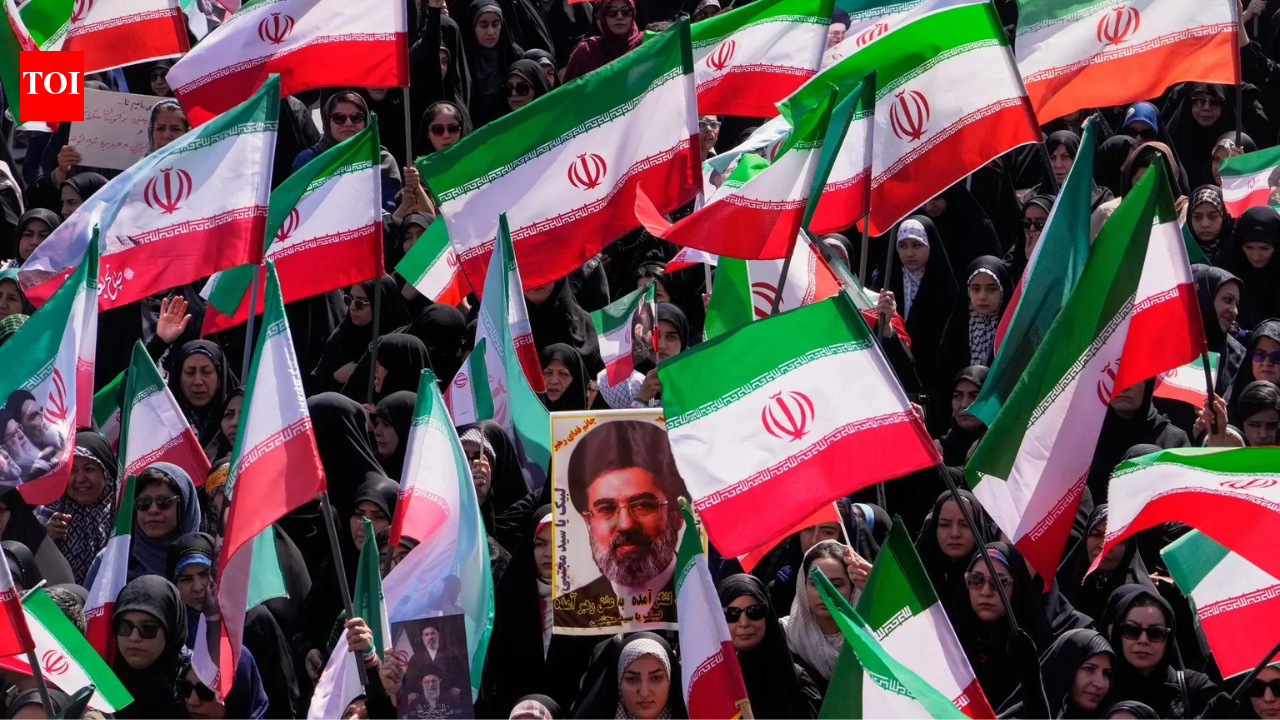
The intricate dance of diplomacy between Iran and the United States, a relationship fraught with decades of mistrust and geopolitical maneuvering, has taken another complex turn. Tehran has laid down a clear, unequivocal precondition for any future negotiations: the immediate and unconditional lifting of what it terms Washington's 'naval blockade'. This demand, articulated by Iran's UN Ambassador Amir Saeid Iravani, signals a hardening of Iran's negotiating position and places the ball squarely in the court of the Biden administration, challenging its approach to one of the world's most volatile geopolitical flashpoints.
For years, the relationship between these two nations has been characterized by a cycle of sanctions, threats, and intermittent, often fruitless, talks. The current impasse, exacerbated by the collapse of the 2015 Joint Comprehensive Plan of Action (JCPOA) following the Trump administration's withdrawal, has left a vacuum filled with regional proxy conflicts, nuclear proliferation concerns, and economic hardship for the Iranian populace. Iran's latest demand is not merely a tactical move; it reflects a deep-seated grievance over economic pressure and perceived infringements on its sovereignty, aiming to force a fundamental shift in the American strategy.
The Anatomy of a Blockade: Iran's Perspective
When Iran speaks of a 'naval blockade,' it refers to the comprehensive economic sanctions imposed by the United States, particularly those targeting its oil exports and financial sector, which severely restrict its ability to engage in international trade. While not a traditional military blockade in the classic sense, Tehran views these measures as an effective strangulation of its economy, preventing essential goods and revenue from reaching the country. The US Treasury Department and State Department maintain extensive lists of sanctioned entities, individuals, and activities, effectively cutting Iran off from large swathes of the global financial system and maritime trade routes.
This economic pressure has had a devastating impact on the Iranian economy, leading to high inflation, currency depreciation, and widespread public discontent. From Iran's perspective, these sanctions are an act of economic warfare, designed to destabilize the regime or force it into concessions without direct military confrontation. The demand to lift the 'blockade' is therefore a call for an end to what it perceives as coercive diplomacy, a prerequisite for any meaningful dialogue based on mutual respect rather than duress.
Historical Context: A Legacy of Mistrust
The current standoff is deeply rooted in a complex history stretching back to the 1979 Islamic Revolution, which overthrew the US-backed Shah. Decades of animosity have included: * The Hostage Crisis (1979-1981): The seizure of the US embassy in Tehran and the detention of American diplomats for 444 days cemented a legacy of distrust. * Iran-Iraq War (1980-1988): US support for Iraq, despite Saddam Hussein's use of chemical weapons, further alienated Iran. * Sanctions Regimes: A continuous cycle of US sanctions, particularly since the 1990s, targeting Iran's nuclear program, human rights record, and alleged support for terrorism. * JCPOA and its Collapse: The landmark 2015 nuclear deal offered a brief respite, lifting some sanctions in exchange for curbs on Iran's nuclear program. However, the US withdrawal in 2018 and the subsequent 'maximum pressure' campaign reignited tensions and led to Iran gradually rolling back its commitments.
This historical backdrop makes any diplomatic breakthrough incredibly challenging. Both sides operate from positions hardened by past grievances and a deep-seated belief in the other's malevolent intentions. Iran's current demand must be understood within this context, as an attempt to reassert its agency and demand a tangible concession before engaging in further talks that it fears might be used to extract more without offering genuine relief.
Implications for Regional Stability and Global Diplomacy
The ripple effects of this US-Iran stalemate extend far beyond their bilateral relationship. The Middle East remains a tinderbox, with proxy conflicts in Yemen, Syria, Iraq, and Lebanon often fueled by the rivalry between Tehran and Washington, as well as their regional allies and adversaries. Saudi Arabia, Israel, and other Gulf states watch these developments closely, often urging a tougher stance against Iran, particularly concerning its ballistic missile program and regional influence.
Furthermore, the stalled nuclear talks have allowed Iran to significantly advance its nuclear program, enriching uranium to levels dangerously close to weapons-grade material, according to IAEA reports. This raises alarms among non-proliferation advocates and increases the risk of a regional arms race. A failure to engage diplomatically could lead to: * Escalated Nuclear Proliferation: Iran potentially crossing the nuclear threshold. * Increased Regional Conflict: Heightened tensions leading to direct or indirect military confrontations. * Economic Instability: Continued disruption of global oil markets and trade routes.
From a global diplomacy perspective, the situation tests the efficacy of multilateralism. European powers, signatories to the original JCPOA, have consistently advocated for a return to the deal and diplomatic engagement, recognizing the dangers of isolation. However, their efforts have been largely stymied by the US-Iran impasse.
The Path Forward: A Diplomatic Tightrope
Iran's demand for the lifting of the 'blockade' presents a significant challenge for the Biden administration. On one hand, acceding to the demand without broader concessions from Iran could be perceived as weakness and invite criticism from domestic hawks and regional allies. On the other hand, refusing to engage risks further escalation, potentially leading to a more dangerous and unpredictable scenario.
Possible avenues for de-escalation and renewed dialogue could include: * Phased Approach: A reciprocal, step-by-step lifting of sanctions in exchange for verifiable Iranian steps to curb its nuclear program and regional activities. * Humanitarian Exemptions: Expanding humanitarian trade channels to alleviate suffering, potentially building goodwill. * Third-Party Mediation: Engaging neutral actors, such as Oman, Qatar, or European nations, to facilitate indirect talks and bridge the trust deficit. * Clear Red Lines: Both sides clearly articulating their non-negotiable demands and identifying areas of potential compromise.
Ultimately, the decision rests on whether both Washington and Tehran are willing to move beyond their entrenched positions and find a pragmatic path forward. Iran's latest demand, while seemingly rigid, could also be interpreted as an opening – a clear articulation of its primary condition for re-engagement. The ball is now in Washington's court, and the world watches to see if diplomacy can once again triumph over the specter of conflict. The stakes are incredibly high, not just for the two nations involved, but for the stability of the entire Middle East and the global non-proliferation regime.
Stay Informed
Get the world's most important stories delivered to your inbox.
No spam, unsubscribe anytime.
Comments
No comments yet. Be the first to share your thoughts!