Israel Defies Trump's Ceasefire Call, Vows Continued Operations Against Hezbollah in Lebanon
Despite a ceasefire announcement by former U.S. President Donald Trump, Israel has declared its military operations in southern Lebanon will persist. Israeli forces are targeting Hezbollah infrastructure, intensifying strikes, and urging civilian evacuations, signaling a continued escalation in the volatile border region.
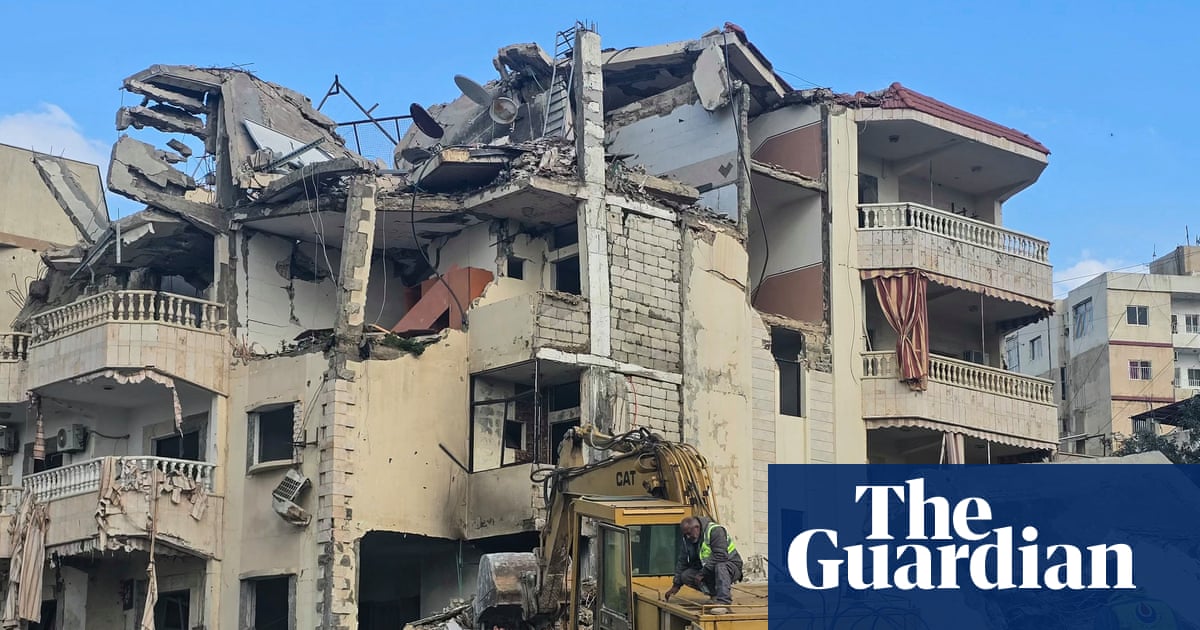
JERUSALEM, LEBANON BORDER – The fragile hope for de-escalation in the Middle East was swiftly dashed today as Israel unequivocally stated its military operations against Hezbollah in southern Lebanon would continue, directly contradicting a recent ceasefire announcement by former U.S. President Donald Trump. The Israeli military (IDF) has not only vowed to press on but has also intensified its actions, conducting fresh airstrikes and issuing explicit warnings for civilians to evacuate targeted areas.
The announcement from Jerusalem sends a clear message: Israel's strategic objectives regarding Hezbollah supersede external calls for a halt to hostilities. This stance comes amidst a backdrop of heightened tensions that have seen daily exchanges of fire across the Israel-Lebanon border since the onset of the Gaza conflict in October. While Trump's intervention, reportedly brokered through back channels involving Pakistan and Iran, was met with initial optimism in some quarters, Israel's immediate rejection underscores the deep-seated nature of the conflict and its determination to neutralize perceived threats.
"Our operations against Hezbollah's terrorist infrastructure in Lebanon will continue as long as necessary to ensure the security of our northern communities," an IDF spokesperson stated, emphasizing the defensive nature of their actions. "We will not allow Hezbollah to pose an existential threat from our borders. Civilian safety is paramount, which is why we issue clear warnings before targeting." These warnings often take the form of leaflets dropped from the air or automated phone calls, urging residents to move north from specific villages.
The current escalation is rooted in decades of animosity and proxy warfare. Hezbollah, a powerful Shiite political party and militant group backed by Iran, has long been a formidable adversary for Israel. Its extensive arsenal of rockets and missiles, coupled with its entrenched presence in southern Lebanon, represents a significant security challenge. Israel views Hezbollah's activities as a direct extension of Iran's regional influence, aiming to destabilize the Jewish state.
Analysts suggest that Israel's defiance of Trump's ceasefire is multi-faceted. Firstly, it reflects a strategic imperative to degrade Hezbollah's capabilities, particularly after the October 7th attacks by Hamas, which highlighted the vulnerabilities of Israel's borders. Secondly, it may indicate a lack of trust in the efficacy or sustainability of a ceasefire brokered by parties not directly involved in the immediate conflict. Thirdly, the Israeli government, facing immense domestic pressure to restore security for its northern residents, many of whom have been displaced, is unlikely to compromise on what it perceives as essential defensive measures.
For the civilian population in southern Lebanon, the situation remains dire. The IDF's evacuation warnings, while intended to minimize casualties, force thousands to abandon their homes, adding to the growing humanitarian crisis. International organizations have repeatedly called for restraint and protection of civilians, but these pleas often fall on deaf ears amidst the fog of war.
The diplomatic landscape is now more complex. Trump's involvement, even as a private citizen, adds an unusual layer to the already intricate regional dynamics. The rejection of his initiative by Israel suggests that any lasting peace or de-escalation will require more profound, multilateral diplomatic efforts, potentially involving the United States government and other key international players, beyond the scope of informal mediation. As the strikes continue, the prospect of a wider regional conflagration remains a chilling possibility, with Lebanon bearing the brunt of the escalating conflict.