Japan's Crown Prince Akishino's Zoo Visit Highlights Elephant Conservation Amidst Global Challenges
Crown Prince Akishino recently visited the Ichihara Elephant Kingdom, underscoring the Japanese Imperial Family's commitment to wildlife conservation. As president of the Japanese Association of Zoos and Aquariums, his visit highlighted the critical role of zoos in protecting endangered species, particularly elephants facing poaching and habitat loss. This engagement brings much-needed attention to ethical animal care and global conservation efforts, bridging traditional imperial duties with modern environmental advocacy.
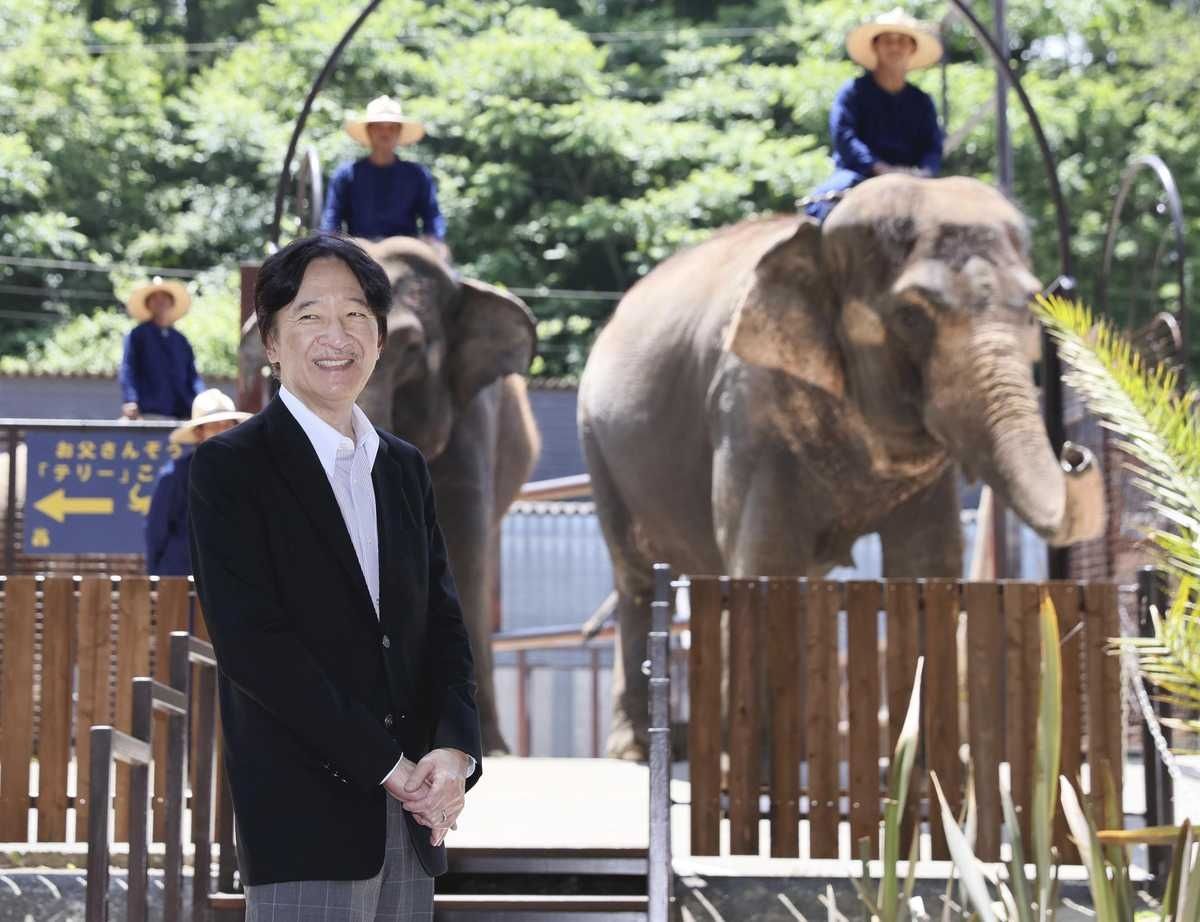
TOKYO – In a gesture that transcends mere ceremonial duty, Japan's Crown Prince Akishino recently embarked on a significant inspection tour of the Ichihara Elephant Kingdom in Ichihara, Chiba Prefecture. On Tuesday, May 19, the Crown Prince, known for his deep interest in biological research and conservation, observed the intricate care provided to the resident elephants and attended a captivating educational show. This visit, while seemingly a routine engagement, carries profound implications, shining a spotlight on the critical role of modern zoological institutions in global wildlife conservation and the ethical dilemmas they navigate.
A Royal Patronage for Conservation
Crown Prince Akishino's involvement with Japan's zoological community is not new; he serves as the esteemed president of the Japanese Association of Zoos and Aquariums (JAZA). This long-standing patronage elevates the conversation around animal welfare and biodiversity preservation within Japan and beyond. His presence at Ichihara Elephant Kingdom, a facility renowned for its dedication to elephant care and public education, underscores the Imperial Family's commitment to these vital issues. Such high-profile visits bring invaluable attention to the often-overlooked efforts of zoos and aquariums, which are increasingly evolving from mere entertainment venues into crucial centers for species preservation, scientific research, and environmental education.
The Ichihara Elephant Kingdom, home to a significant population of Asian elephants in Japan, exemplifies the dual mission of modern zoos: to provide a safe haven for animals while educating the public about their plight in the wild. The elephants observed by the Crown Prince are not just exhibits; they are ambassadors for their species, representing the urgent need for conservation. The facility's emphasis on enrichment programs, veterinary care, and breeding initiatives for endangered species aligns perfectly with JAZA's broader objectives under the Crown Prince's leadership. His direct observation of these practices lends credibility and prestige to the institution's efforts.
The Global Plight of Elephants: A Crisis Unfolding
The Crown Prince's visit serves as a timely reminder of the precarious situation facing elephants worldwide. Both African and Asian elephants are listed as endangered or critically endangered by the International Union for Conservation of Nature (IUCN). Their populations have plummeted dramatically over the past century, primarily due to:
* Poaching for ivory: Despite international bans, illegal ivory trade continues to decimate elephant herds. * Habitat loss and fragmentation: Expanding human settlements, agriculture, and infrastructure development encroach upon elephant territories, leading to human-wildlife conflict. * Climate change: Altered weather patterns affect food and water availability, stressing elephant populations. * Illegal wildlife trade: Beyond ivory, elephants are targeted for their skin and other body parts.
Conservation organizations estimate that tens of thousands of elephants are killed annually. For instance, the African elephant population has seen a decline of over 30% in just a few decades. Zoos like Ichihara play a vital role in this context by maintaining genetic diversity through controlled breeding programs, contributing to ex-situ conservation efforts that could one day aid in reintroduction programs, and funding in-situ conservation projects in elephant range countries. The educational shows, while entertaining, are designed to foster empathy and understanding, inspiring visitors to become advocates for these magnificent creatures.
The Evolving Role of Zoos in the 21st Century
The traditional image of zoos as mere collections of exotic animals has largely been replaced by a more sophisticated understanding of their multifaceted responsibilities. Modern zoos, particularly those affiliated with organizations like JAZA, are increasingly seen as:
* Conservation hubs: Actively participating in breeding programs for endangered species, often in collaboration with international efforts. * Research centers: Conducting studies on animal behavior, genetics, nutrition, and veterinary medicine that benefit both captive and wild populations. * Educational platforms: Raising public awareness about biodiversity, ecological challenges, and the importance of conservation through interactive exhibits, workshops, and guided tours. * Rescue and rehabilitation facilities: Providing refuge for confiscated animals from illegal trade or those injured in the wild.
However, zoos also face ethical scrutiny regarding animal welfare, especially for large, intelligent animals like elephants. Critics often argue that even the most spacious enclosures cannot replicate natural habitats, leading to behavioral issues. Proponents, including organizations like JAZA, counter that accredited zoos adhere to stringent welfare standards, provide expert veterinary care, and offer enrichment activities to stimulate animals mentally and physically. The presence of a figure like Crown Prince Akishino at Ichihara lends significant weight to the argument that these institutions, when properly managed, are indispensable assets in the global fight against extinction.
Japan's Contribution to Global Conservation
Japan, as a technologically advanced nation with a rich cultural heritage, has a unique position in global conservation efforts. While historically facing criticism for certain whaling practices, the nation has also made significant strides in environmental protection and sustainable development. The Crown Prince's active role in JAZA highlights a growing national consciousness regarding biodiversity. Japanese zoos and aquariums contribute to international conservation frameworks, sharing expertise and resources. For example, many participate in Species Survival Plans (SSPs), which are cooperative breeding programs designed to maintain healthy, genetically diverse populations of endangered species in captivity.
Furthermore, Japan's scientific community plays a crucial role in wildlife research, developing innovative technologies for monitoring animal populations, combating poaching, and restoring degraded habitats. The Imperial Family's engagement, particularly through Prince Akishino's scientific background, helps to bridge the gap between traditional cultural values and modern scientific conservation imperatives. This blend of tradition and progress positions Japan as a significant contributor to the global conservation dialogue, influencing policy and inspiring public action.
A Forward-Looking Perspective
Crown Prince Akishino's visit to the Ichihara Elephant Kingdom is more than a photo opportunity; it is a powerful affirmation of the ongoing commitment required to protect our planet's most vulnerable species. As the world grapples with unprecedented rates of biodiversity loss and the escalating impacts of climate change, the role of institutions like zoos, supported by influential figures, becomes ever more critical. The future of elephants, and indeed countless other species, hinges on a concerted global effort encompassing scientific research, ethical animal care, robust public education, and unwavering political will.
The Imperial Family's continued advocacy provides a beacon of hope, reminding us that conservation is not just a scientific endeavor but a moral imperative. The image of the Crown Prince observing these majestic creatures is a poignant symbol of humanity's responsibility to safeguard the natural world for future generations. It underscores the message that every effort, from the daily care provided by zookeepers to the highest levels of royal patronage, contributes to the grand tapestry of conservation.
Stay Informed
Get the world's most important stories delivered to your inbox.
No spam, unsubscribe anytime.
Comments
No comments yet. Be the first to share your thoughts!