Japan's Culinary Paradox: The Ramen Sandwich That Isn't, and the Unseen Crypto Revolution
Japan's latest culinary curiosity, Yamazaki Baking's 'ramen sandwiches,' have sparked global discussion, not for their taste, but for their surprising lack of ramen flavor. This peculiar product launch, while seemingly trivial, highlights a broader trend of unexpected innovations and consumer reactions. Meanwhile, the financial world grapples with the profound implications of cryptocurrency, a parallel realm of innovation where perception often clashes with reality, mirroring the 'ramen sandwich' paradox in its own unique way.
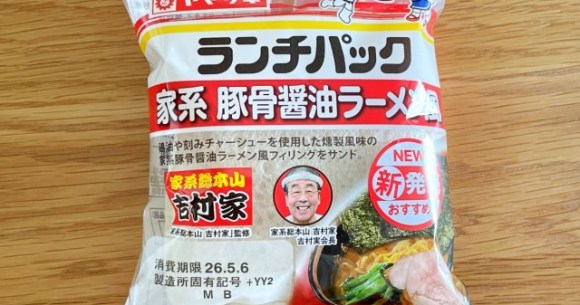
In the bustling, innovation-driven culinary landscape of Japan, where gastronomic boundaries are constantly pushed, a recent product launch has captured international attention for an utterly unexpected reason. Yamazaki Baking, a household name synonymous with convenience and creativity through its popular Lunch Pack series, unveiled a limited-edition 'ramen sandwich' that, to the bewilderment of many, doesn't actually taste like ramen. This peculiar culinary paradox, where a product fails to deliver on its core promise yet still generates significant buzz, offers a fascinating lens through which to examine broader societal trends—trends that, surprisingly, find echoes in the complex and often misunderstood world of cryptocurrency.
The Lunch Pack series has long been celebrated for its audacious and sometimes bizarre fillings, from curry to fruit and cream. This latest iteration, however, has inadvertently become a symbol of expectation versus reality. While the sandwich contains noodles, the predominant flavor profile is that of a savory, almost yakisoba-like sauce, leaving ramen aficionados scratching their heads. This disconnect, though seemingly trivial, forces us to consider how perception, branding, and fundamental truth interact in a world increasingly saturated with novelties.
The Anatomy of a Culinary Misfire: Expectations vs. Reality
Yamazaki Baking's Lunch Pack 'ramen sandwich' was met with a mix of curiosity and confusion. The product, designed for quick consumption, features a soft, crustless bread pocket filled with what appears to be instant ramen noodles. However, the critical feedback from consumers and food critics alike points to a significant divergence from the anticipated ramen experience. Instead of the rich, umami-laden broth and distinct noodle texture characteristic of traditional ramen, tasters reported a flavor more akin to stir-fried noodles or even a sweet-savory sauce. This isn't necessarily a bad taste, but it fundamentally misrepresents the 'ramen' label.
This phenomenon isn't new in the food industry. Brands often leverage popular terms to create a sense of familiarity or excitement, sometimes at the expense of accuracy. The 'ramen sandwich' case highlights the delicate balance between innovation and authenticity. While the product might still find its niche among those seeking a quick, savory snack, its failure to embody the essence of ramen raises questions about consumer trust and the power of nomenclature. It underscores how easily a product's identity can be diluted when its core promise is not met, a lesson that resonates far beyond the snack aisle.
From Culinary Curiosities to Digital Assets: A Parallel in Perception
The paradox of the 'ramen sandwich'—a product named for something it isn't—strikes an intriguing parallel with the nascent and often misunderstood world of cryptocurrency. Just as the sandwich struggles with its identity, so too do digital assets grapple with public perception, regulatory frameworks, and fundamental definitions. For many, cryptocurrency remains an enigma, often conflated with speculative trading, illicit activities, or simply a complex form of digital money. The reality, however, is far more nuanced and transformative.
Consider the early days of Bitcoin, often dismissed as 'internet money' or a 'fad.' Its underlying technology, blockchain, was rarely understood, and its potential for secure, decentralized transactions was largely overlooked. Similarly, newer innovations like decentralized finance (DeFi) and non-fungible tokens (NFTs) are frequently oversimplified or misrepresented. An NFT, for instance, is not merely a digital image; it's a unique digital certificate of ownership recorded on a blockchain, representing a paradigm shift in how we conceive of property rights and digital scarcity. Yet, the public discourse often reduces it to 'expensive JPEGs,' much like the ramen sandwich is reduced to 'noodles in bread' without acknowledging its specific flavor profile.
The Silver Lining: Innovation Through Unexpected Pathways
Despite the initial disappointment regarding its ramen authenticity, the Lunch Pack 'ramen sandwich' does offer a silver lining: it sparks conversation and demonstrates a willingness to experiment. This spirit of innovation, even when imperfect, is crucial for progress. In the same vein, the cryptocurrency space, despite its volatility and challenges, is a hotbed of groundbreaking innovation. The 'silver lining' in crypto often lies in its underlying technological advancements and its potential to democratize finance and create new economic models.
For example, stablecoins, designed to minimize price volatility, offer a practical bridge between traditional finance and the crypto world. Projects focused on Web3 aim to build a decentralized internet, returning control to users rather than centralized corporations. These innovations, while complex, represent significant leaps forward, much like a novel food product, even if imperfect, can pave the way for future culinary breakthroughs. The lesson here is that initial missteps or misinterpretations should not overshadow the broader potential for innovation and transformation.
Navigating the Future: Clarity and Education in a World of Novelties
The 'ramen sandwich' episode, while lighthearted, serves as a microcosm for a larger challenge: how do we, as consumers and participants in a rapidly evolving world, discern genuine innovation from mere novelty, and how do we understand complex concepts when their labels might be misleading? For the food industry, it's about clearer branding and managing consumer expectations. For the cryptocurrency sector, the stakes are significantly higher.
Education is paramount. As digital assets become increasingly integrated into global finance, a deeper understanding of their underlying technology, use cases, and inherent risks is crucial. Investors, regulators, and the general public need access to accurate, unbiased information to navigate this complex landscape. Organizations like the Blockchain Association and various academic institutions are working to demystify crypto, much like food critics help consumers understand what they're truly eating. The goal is to move beyond superficial labels and appreciate the true nature of these innovations.
In conclusion, whether it's a sandwich that defies its name or a digital asset challenging traditional financial systems, the journey of innovation is rarely straightforward. The 'ramen sandwich' might not taste like ramen, but its existence reminds us that progress often emerges from unexpected places and that our perception of new things is constantly shaped by our expectations. As we look to the future, both in culinary delights and financial technologies, the ability to look beyond the label and understand the underlying reality will be our most valuable asset. The lessons from a seemingly simple Japanese sandwich offer profound insights into the broader dynamics of innovation, perception, and the ongoing quest for clarity in a world brimming with novelties.
Stay Informed
Get the world's most important stories delivered to your inbox.
No spam, unsubscribe anytime.
Comments
No comments yet. Be the first to share your thoughts!