Japan's PM Takaichi's Yasukuni Offering Rekindles Historical Tensions with China
Japanese Prime Minister Sanae Takaichi's offering to the controversial Yasukuni Shrine, while not a personal visit, has reignited historical grievances with China and other Asian neighbors. This move, echoing actions by predecessors, underscores the persistent diplomatic tightrope Japan walks between honoring its past and fostering regional stability. Analysts suggest the offering reflects a domestic political calculus, but at the cost of strained international relations.
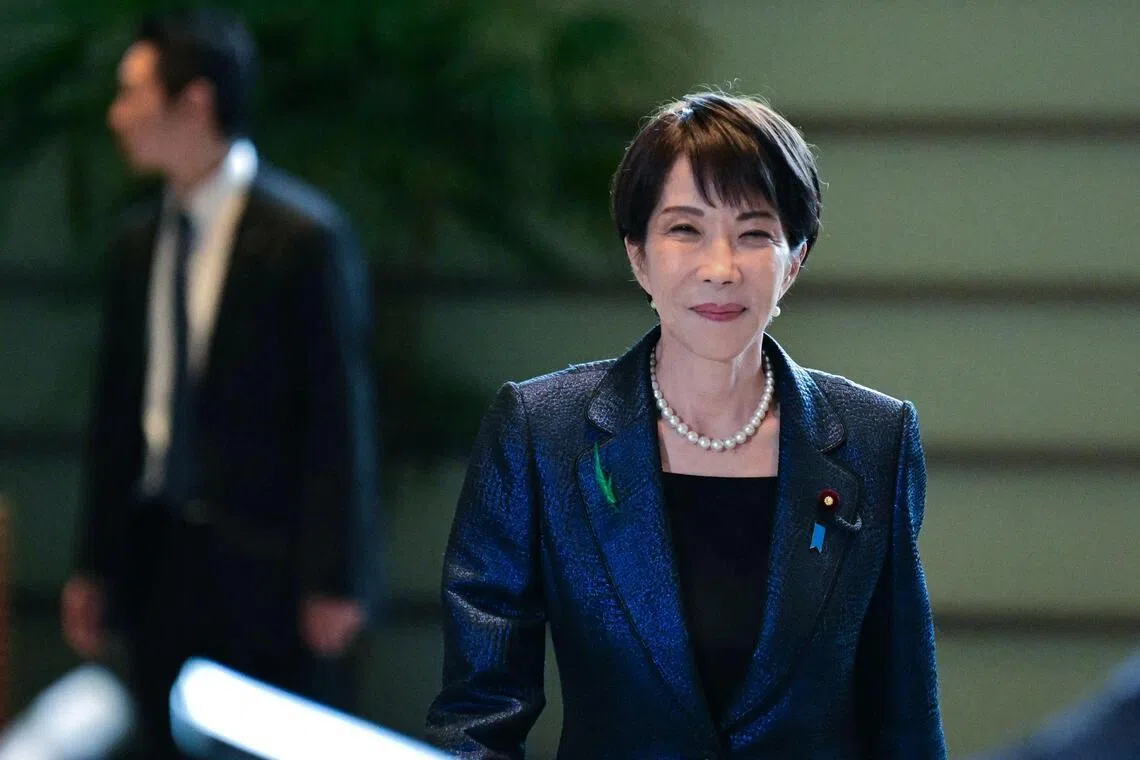
In a move that has once again cast a long shadow over East Asian diplomatic relations, Japanese Prime Minister Sanae Takaichi recently sent a ritual offering to the Yasukuni Shrine in Tokyo. This act, described as a 'masakaki' sacred tree offering, meticulously avoided a personal visit but nonetheless triggered immediate and sharp criticism from Beijing and Seoul, underscoring the enduring sensitivity surrounding Japan's wartime legacy. For decades, the shrine, which honors Japan's war dead, including convicted Class A war criminals from World War II, has been a flashpoint, symbolizing to many of Japan's neighbors an unrepentant glorification of its imperial past.
PulseWorld has been closely monitoring this recurring geopolitical drama. Takaichi's offering, while seemingly a subtle gesture, carries significant symbolic weight in a region still grappling with the scars of 20th-century conflicts. It highlights the complex interplay between domestic political posturing, national identity, and the delicate balance of international diplomacy in one of the world's most economically dynamic yet historically volatile regions.
The Enduring Symbolism of Yasukuni
The Yasukuni Shrine, founded in 1869, is dedicated to those who died fighting for the Emperor of Japan. Its controversial status stems from the enshrinement of 14 Class A war criminals in 1978, a decision that fundamentally altered its perception internationally. For China and South Korea, who suffered immensely under Japanese occupation and aggression during World War II, Yasukuni represents a painful reminder of atrocities and a perceived lack of genuine remorse from Tokyo. Each offering or visit by a Japanese leader is interpreted as an affront, a tacit endorsement of a revisionist historical narrative that downplays Japan's wartime responsibility.
Historical context is paramount here. During the 1930s and 1940s, Japan embarked on an expansionist military campaign across Asia, leading to the Sino-Japanese War and the Pacific War. Millions perished, and countless atrocities were committed, including the Nanjing Massacre and the forced labor of 'comfort women.' For nations like China and South Korea, reconciliation hinges on Japan's unequivocal acknowledgment of these historical facts and sincere apologies. The Yasukuni Shrine, in their view, stands in direct opposition to such reconciliation efforts, serving instead as a monument to militarism.
Japanese leaders, however, often frame their actions at Yasukuni as a personal tribute to the war dead, a gesture of remembrance for those who sacrificed their lives for the nation. They often distinguish between honoring the dead and endorsing wartime actions. This distinction, however, is rarely accepted by neighboring countries, who see the enshrinement of war criminals as an inseparable part of the shrine's identity.
A Pattern of Predecessors and Political Calculus
Prime Minister Takaichi's offering is not an isolated incident but rather fits into a well-established pattern among Japanese political leaders. Many of her predecessors, including former Prime Ministers Shinzo Abe and Junichiro Koizumi, made similar offerings or even personal visits during their tenures. These actions are often seen as attempts to appeal to a conservative domestic base, particularly within the ruling Liberal Democratic Party (LDP), which often advocates for a more assertive stance on historical issues and national pride.
For Takaichi, a prominent figure within the LDP's conservative wing, this move could be interpreted as a way to solidify her standing among right-leaning voters and party factions. With Japan facing complex economic challenges and an increasingly assertive China, projecting an image of national strength and traditional values can be a potent political tool. However, this domestic political gain invariably comes at a diplomatic cost. The carefully calibrated 'offering, not a visit' strategy aims to mitigate the international backlash, but as history shows, it rarely succeeds in fully placating critics.
Data from recent polls in Japan suggests a divided public opinion on Yasukuni. While a significant portion supports leaders honoring the war dead, a substantial minority believes that such actions harm international relations. This internal division reflects the broader societal debate within Japan about how to confront its past while forging a modern national identity.
Regional Implications and Expert Analysis
The immediate fallout from Takaichi's offering has been predictable. China's Foreign Ministry issued a stern rebuke, urging Japan to 'face up to and deeply reflect on its history of aggression.' South Korea also expressed 'deep disappointment and regret.' These statements are not mere diplomatic formalities; they represent deep-seated historical grievances that continue to impede full reconciliation and cooperation in East Asia.
Expert analysts suggest that these recurring incidents complicate efforts to build a more stable and cooperative regional architecture. Dr. Kenji Tanaka, a professor of international relations at Tokyo University, notes, “While the offering is a domestic political gesture, its international repercussions are undeniable. It consistently undermines trust-building efforts, particularly with China and South Korea, at a time when regional cooperation is crucial for economic stability and addressing common challenges like climate change and security threats.”
The broader geopolitical context also plays a role. As the United States seeks to strengthen alliances in the Indo-Pacific to counter China's growing influence, tensions between Japan and its neighbors can be a destabilizing factor. A united front among U.S. allies in the region is more effective, and historical disputes often provide Beijing with diplomatic leverage to sow discord.
The Path Forward: Balancing History and Future
The cycle of Yasukuni-related controversy highlights a fundamental dilemma for Japan: how to honor its war dead and national identity without alienating key regional partners. The current approach, characterized by carefully worded offerings that stop short of full visits, appears to be a perpetual compromise that satisfies neither domestic conservatives nor international critics. It's a diplomatic tightrope walk that often results in Japan being perceived as equivocating on its historical responsibilities.
Moving forward, a more decisive and consistent approach may be necessary. Some suggest that Japan could establish an alternative, secular memorial that honors all war dead without the controversial association of Class A war criminals. This would allow leaders to pay respects without triggering diplomatic crises. Others argue for a more robust public education campaign within Japan to foster a deeper understanding of the regional impact of its wartime actions.
Ultimately, the path to true reconciliation and stronger regional ties lies in a genuine and consistent effort to address historical grievances. While Prime Minister Takaichi's offering may have served a domestic political purpose, its international cost is a reminder that the past, however distant, continues to shape the present and future of East Asia. The region's stability and prosperity depend on its leaders finding ways to acknowledge history while building bridges for a shared future, rather than continually revisiting old wounds.
Stay Informed
Get the world's most important stories delivered to your inbox.
No spam, unsubscribe anytime.
Comments
No comments yet. Be the first to share your thoughts!