K-Pop and Cultural Diplomacy: South Korea's Tourism Boom Hits Record Highs
South Korea has shattered tourism records, welcoming 4.76 million foreign visitors in Q1, a 23% surge year-on-year. This unprecedented growth is largely attributed to the global phenomenon of K-Pop, particularly the return of supergroup BTS, alongside the broader appeal of Hallyu. The influx signals a robust recovery for the tourism sector, positioning South Korea as a major cultural and economic hub in Asia. This article delves into the multifaceted drivers behind this boom and its long-term implications.
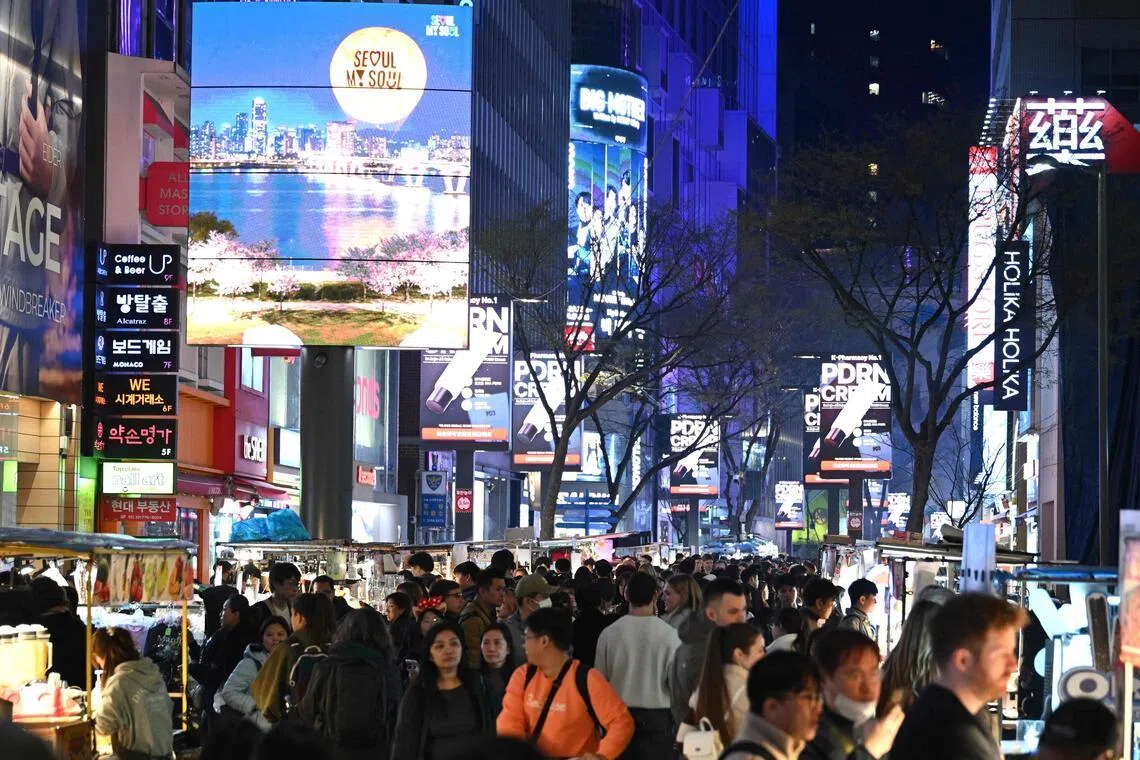
SEOUL – In a remarkable display of cultural soft power and strategic economic recovery, South Korea has reported an unprecedented surge in foreign tourist arrivals, setting a new first-quarter record. The Ministry of Culture, Sports and Tourism announced on April 16 that the nation welcomed a staggering 4.76 million international visitors in the first three months of the year. This figure represents a robust 23% increase compared to the same period last year, signalling a powerful resurgence for a sector that faced significant headwinds during the global pandemic. The narrative behind this tourism boom is as multifaceted as it is compelling, intertwining the magnetic pull of K-Pop, the allure of K-Dramas, and concerted governmental efforts to capitalize on the 'Hallyu' wave.
The Unstoppable Force of Hallyu: Beyond BTS
While the source specifically mentions the 'BTS comeback' as a contributing factor, the reality is that the broader phenomenon of Hallyu, or the Korean Wave, has been meticulously cultivated over decades. BTS, the global pop sensation, undoubtedly acts as a powerful magnet, drawing millions of fans (known as ARMY) to the country that birthed their idols. Their recent activities, including individual member releases and the anticipation of future group projects, generate immense interest. However, the impact extends far beyond a single group. The continuous global success of K-Dramas like 'Squid Game' and 'Parasite,' the culinary delights of Korean cuisine, and the innovative fashion and beauty industries have all contributed to a holistic cultural experience that beckons international travelers.
This cultural export strategy began in earnest in the late 1990s, initially targeting East Asian markets before exploding globally in the 2010s. The government's foresight in investing in cultural content creation and promotion has paid dividends, transforming South Korea from a relatively obscure destination into a global trendsetter. The current tourism figures are a testament to the enduring power of this cultural diplomacy, proving that soft power can translate directly into significant economic gains. Tourists are not merely visiting landmarks; they are seeking immersive experiences that connect them directly to the cultural phenomena they admire from afar.
Economic Ripple Effects and Sectoral Growth
The influx of nearly 5 million tourists in a single quarter has profound economic implications. The tourism sector, which includes hospitality, retail, transportation, and entertainment, experiences a direct boost. Hotels are booked, restaurants are bustling, and local businesses thrive. This creates employment opportunities and stimulates domestic consumption, contributing significantly to the nation's GDP. The Bank of Korea and various economic think tanks have consistently highlighted the tourism industry's role as a key growth engine, especially in a post-pandemic recovery phase.
Beyond direct spending, there's a substantial multiplier effect. Increased tourist numbers necessitate investments in infrastructure – improved public transport, new accommodation options, and enhanced tourist facilities. This creates a virtuous cycle where better infrastructure attracts more tourists, leading to further development. The Ministry of Culture, Sports and Tourism has been proactive in developing diverse tourism products, from historical sites and natural parks to modern urban attractions and K-Pop themed tours, ensuring a broad appeal that caters to various interests and demographics. This strategic diversification helps to sustain growth even as cultural trends evolve.
Challenges and Sustainable Growth Strategies
While the current trajectory is overwhelmingly positive, rapid growth always presents challenges. Over-tourism in popular areas, strain on local resources, and the need to maintain authenticity while catering to mass tourism are critical considerations. Seoul, in particular, faces pressure on its infrastructure and local communities. The government and tourism operators must work collaboratively to implement sustainable tourism practices that balance economic benefits with environmental and social responsibilities.
* Diversification of Destinations: Encouraging tourists to explore regions beyond Seoul and Busan can alleviate pressure on major cities and distribute economic benefits more widely. Initiatives promoting rural tourism, temple stays, and regional festivals are crucial. * Infrastructure Development: Continuous investment in transportation networks, digital connectivity, and multilingual services is essential to enhance the visitor experience. * Preservation of Heritage: Protecting historical sites and cultural traditions from the potential negative impacts of mass tourism is paramount to ensure the long-term appeal of the destination. * Targeted Marketing: While Hallyu is a powerful draw, marketing efforts should also highlight South Korea's natural beauty, technological prowess, and unique traditions to attract a broader range of travelers.
Looking Ahead: South Korea's Position as a Global Tourism Leader
The record-breaking first quarter signals South Korea's emergence as a dominant force in global tourism. The nation's ability to leverage its cultural assets, coupled with strategic governmental support and a resilient private sector, has created a powerful synergy. As the world continues to reopen and travel becomes more accessible, South Korea is well-positioned to further solidify its status as a premier destination. The Ministry of Culture, Sports and Tourism has ambitious goals, aiming to attract even higher numbers in the coming years, potentially surpassing pre-pandemic levels significantly. This will require continued innovation, adaptability, and a deep understanding of evolving global travel trends.
The success story of South Korea's tourism is not just about numbers; it's about the successful projection of a national identity onto the global stage. It's about the allure of a vibrant culture that captivates hearts and minds, translating into tangible economic prosperity. The 'BTS comeback' might be a headline grabber, but it is merely one brilliant facet of a much larger, meticulously crafted diamond that is the Korean Wave, drawing the world ever closer to its shores. The future of South Korean tourism appears brighter than ever, promising continued growth and influence on the international stage.
Stay Informed
Get the world's most important stories delivered to your inbox.
No spam, unsubscribe anytime.
Comments
No comments yet. Be the first to share your thoughts!