Kagame's Clarion Call: Africa Must Unite or Face Continued Exploitation
Rwandan President Paul Kagame has issued a stark warning to African leaders, urging them to unite and assert the continent's interests against a global economic order he describes as exploitative. Speaking at the Africa CEO Forum, Kagame emphasized that Africa's vast resources and growing population demand a unified strategy to prevent external powers from dictating its future. His remarks underscore a growing sentiment among African nations for greater self-determination and economic sovereignty in an increasingly complex geopolitical landscape.
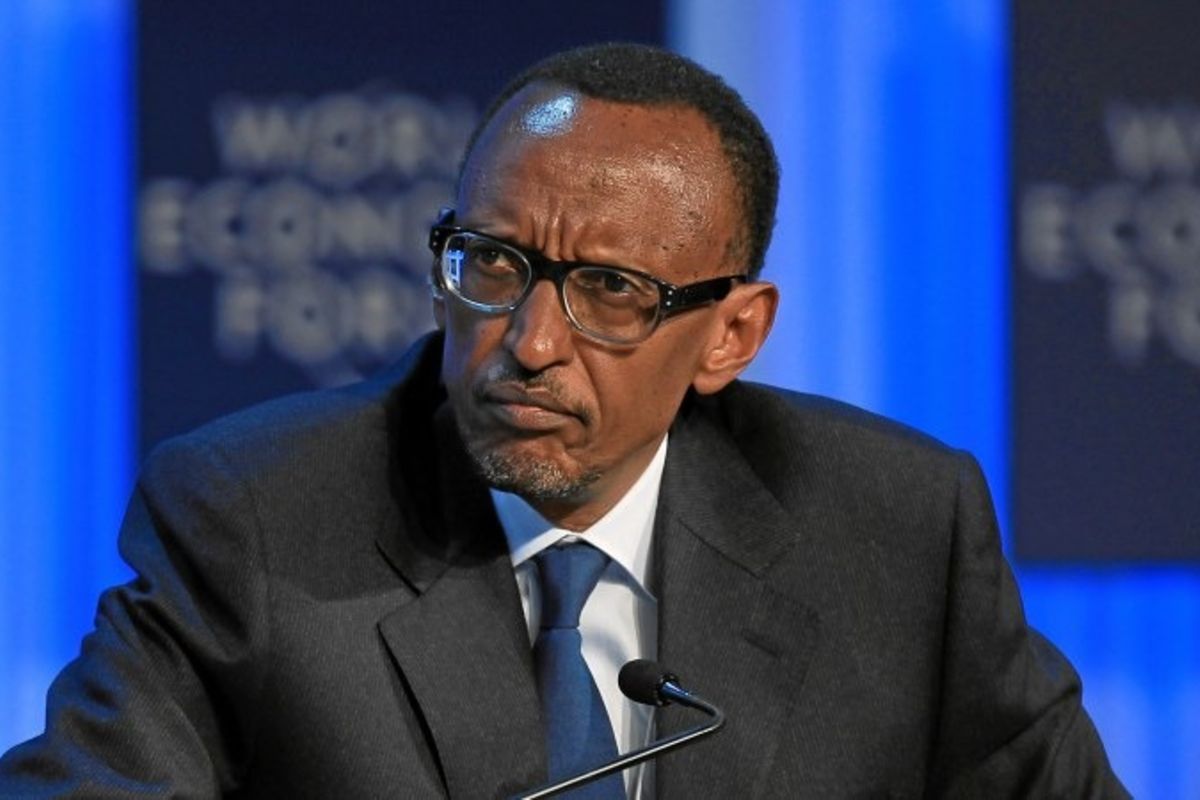
In a world grappling with shifting geopolitical alliances and economic uncertainties, Rwandan President Paul Kagame has emerged as a powerful voice advocating for African self-determination. Speaking with characteristic candor at the Africa CEO Forum in Kigali, Kagame delivered a potent message: Africa stands at a crossroads, facing either continued exploitation by global powers or the opportunity to forge its own destiny through unity and assertive action. His address was not merely a critique of the existing global economic order but a clarion call for the continent to leverage its immense potential and demographic strength.
Kagame's warning resonates deeply with historical grievances and contemporary challenges. For centuries, Africa has been viewed primarily as a source of raw materials and a market for finished goods, a dynamic that has often hindered its industrialization and equitable development. The Rwandan leader's remarks highlight a persistent frustration among many African nations that despite their rich natural resources – from minerals crucial for the digital age to vast agricultural lands – the benefits often accrue disproportionately to external actors, leaving African populations with insufficient returns.
The Legacy of Exploitation and the New Global Order
The narrative of Africa's exploitation is deeply embedded in its history, from the transatlantic slave trade to colonial subjugation and the post-independence era's structural adjustment programs. Kagame's critique suggests that while the methods may have evolved, the underlying dynamic of external powers seeking to extract value from the continent persists. He pointed to the continent's youthful population and burgeoning markets as assets that, if properly managed and collectively leveraged, could transform Africa into a global economic powerhouse rather than a perpetual recipient of aid or a battleground for proxy interests.
His call for unity is particularly salient in a global environment marked by intense competition for resources and influence. Major global players, including China, the United States, and European nations, are actively pursuing partnerships and investments across Africa. While these engagements bring opportunities, they also carry the risk of fragmenting African interests if individual nations negotiate from positions of weakness rather than collective strength. Kagame's vision is one where Africa speaks with a single, powerful voice on the international stage, demanding equitable partnerships and terms that genuinely serve the continent's long-term development goals.
Economic Sovereignty: A Path to True Independence
At the heart of Kagame's message is the concept of economic sovereignty. This entails not just owning and controlling Africa's natural resources but also developing the capacity to process them, create value-added products, and participate fully in global supply chains. For too long, Africa has exported raw materials only to import expensive finished goods, a cycle that perpetuates dependency and limits wealth creation within the continent. The President's emphasis on asserting interests suggests a move away from passive acceptance towards active negotiation and strategic planning.
This shift requires significant investment in infrastructure, education, and technological innovation. It also demands robust governance, transparency, and the fight against corruption, which often siphons off resources that could otherwise be used for national development. African leaders are increasingly recognizing that true political independence is inextricably linked to economic self-reliance. Initiatives like the African Continental Free Trade Area (AfCFTA), which aims to create a single market for goods and services across the continent, represent a concrete step towards achieving this economic sovereignty. Kagame's arguments provide further impetus for the rapid and effective implementation of such ambitious projects.
The Imperative of African Unity and Regional Integration
Kagame's repeated emphasis on unity is not merely rhetorical; it is a strategic imperative. A fragmented Africa, with its 54 diverse nations, is more susceptible to external pressures and divide-and-conquer tactics. Regional economic communities such as ECOWAS, EAC, and SADC play a crucial role in fostering integration, but their efforts need to be harmonized and strengthened to create a cohesive continental bloc. By presenting a united front on trade, investment, security, and climate change, Africa can significantly enhance its bargaining power on the global stage.
The President's vision extends beyond economic considerations to encompass political and diplomatic influence. A united Africa can advocate more effectively for its interests in international forums like the United Nations, the World Trade Organization, and other multilateral bodies. This collective voice can challenge existing power structures and push for reforms that ensure a more equitable global governance system. The demographic dividend of a rapidly growing, young population also means that Africa's human capital, if properly educated and empowered, represents an unparalleled resource for innovation and economic growth.
Looking Ahead: Challenges and Opportunities
While the call for unity and self-assertion is compelling, the path forward is fraught with challenges. Internal divisions, political instability, and varying levels of economic development among African nations can hinder collective action. Furthermore, the allure of short-term gains from individual deals with global powers can sometimes overshadow the long-term benefits of continental solidarity. However, the growing awareness among African leaders and citizens of the need for a new paradigm offers a powerful opportunity.
Kagame's message serves as a vital reminder that Africa's future must be determined by Africans themselves. It is a call to action for leaders to prioritize continental interests over narrow national ones, to invest in their people, and to build robust institutions that can withstand external pressures. The continent possesses the resources, the human capital, and the collective will to transform its narrative from one of exploitation to one of empowerment and prosperity. The question remains whether African nations can collectively rise to this challenge, forging a truly independent and influential future on the global stage. The stakes, as Kagame warns, could not be higher.
Stay Informed
Get the world's most important stories delivered to your inbox.
No spam, unsubscribe anytime.
Comments
No comments yet. Be the first to share your thoughts!