Kenya's Digital Revolution: How Mobile-First Streaming is Reshaping Africa's Pay-TV Landscape
Kenya is at the forefront of a profound transformation in Africa's pay-TV industry, moving away from traditional satellite services towards innovative mobile-first streaming. This shift is driven by increased internet penetration and a demand for localized, affordable content. The East African nation is becoming a crucial battleground for digital media, influencing future broadcasting models across the continent.
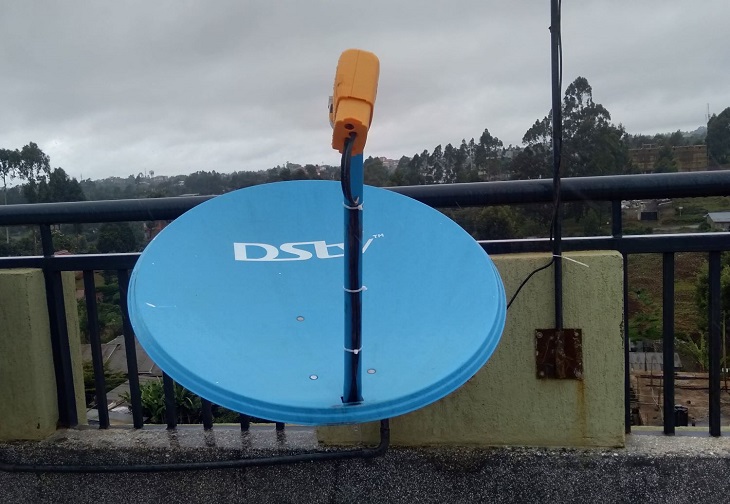
Africa's pay-television industry is undergoing a seismic structural shift, and Kenya has emerged as the defining battleground where the future of broadcasting is being written. For decades, the continent's media consumption was largely dictated by expensive household satellite subscriptions, offering a limited, often Western-centric, array of content. However, a confluence of technological advancements, demographic shifts, and evolving consumer preferences is rapidly dismantling this old guard, ushering in an era dominated by mobile-first streaming and hyper-localized content. Kenya, with its tech-savvy population and robust mobile infrastructure, is not just participating in this revolution; it's leading it.
The Decline of the Satellite Monolith
The traditional model of pay-TV in Africa, epitomized by giants like MultiChoice's DStv, relied heavily on satellite dishes and premium packages. While these services brought diverse entertainment to many, their high cost, rigid subscription tiers, and often generic content slate became increasingly out of sync with the aspirations of a young, digitally native population. The barrier to entry was significant, limiting access to a relatively affluent segment of society. Furthermore, the content offered, while international in scope, often lacked the specific cultural resonance that local audiences craved. This created a vacuum, a fertile ground for disruption, especially as mobile internet penetration began to soar across the continent. The rise of affordable smartphones and more accessible data plans meant that the 'television' was no longer confined to the living room; it was now in the palm of every hand.
The Rise of Mobile-First and On-Demand
Kenya's digital leapfrog has been remarkable. With a high mobile penetration rate and increasing access to affordable data, the conditions were ripe for a pivot towards mobile-first content consumption. This isn't merely about watching existing TV channels on a phone; it's about a fundamental re-imagining of how content is produced, distributed, and consumed. Platforms like Netflix, Showmax, and local players are capitalizing on this by offering flexible, often daily or weekly, subscription models that are far more palatable to the average Kenyan consumer. The ability to pay for content using mobile money services like M-Pesa further lowers the transaction barrier, integrating seamlessly into daily financial habits. This shift empowers consumers, giving them unprecedented control over what they watch, when they watch it, and crucially, how much they pay for it. The convenience of on-demand viewing, coupled with personalized recommendations, creates a far more engaging and sticky user experience than traditional linear broadcasting.
The Power of Localized Content: 'Nollywood' Meets 'Riverwood'
Perhaps the most significant driver of this transformation is the burgeoning demand for localized content. For too long, African audiences were fed a diet of foreign programming, with limited representation of their own stories, languages, and cultures. The success of Nigeria's Nollywood demonstrated the immense appetite for locally produced narratives. In Kenya, this translates into a vibrant ecosystem of local production houses and content creators. Streaming platforms are increasingly investing in original Kenyan series, films, and documentaries, recognizing that authentic, relatable stories resonate deeply with viewers. This not only fosters local talent and economic growth within the creative industries but also builds a stronger connection with the audience. Content that reflects local realities, humor, and social dynamics is proving to be a powerful differentiator in a crowded market. This isn't just about entertainment; it's about cultural affirmation and identity in a globalized world. The ability to consume content in Swahili or other local languages, featuring familiar faces and settings, creates a sense of ownership and pride that traditional satellite offerings struggled to match.
The Battle for Market Share: Telcos, Streamers, and Traditional Broadcasters
The shift to mobile-first streaming has ignited an intense battle for market share. Traditional satellite providers are scrambling to adapt, launching their own streaming apps and offering more flexible packages. However, they face stiff competition from global streaming giants and, more importantly, from local telecommunication companies (telcos) that are leveraging their vast subscriber bases and network infrastructure. Telcos are uniquely positioned to bundle data with content subscriptions, making streaming even more accessible and affordable. This convergence of telecom and media is a defining feature of the Kenyan market. Furthermore, a new breed of agile, local streaming platforms is emerging, often specializing in specific niches or catering to particular demographics. This competitive landscape is a boon for consumers, driving innovation, improving service quality, and pushing down prices. The future of broadcasting in Kenya will likely involve a complex interplay of these players, with partnerships and acquisitions becoming increasingly common as companies seek to consolidate their positions.
Implications for Africa and Beyond
Kenya's experience offers a compelling blueprint for other African nations and even emerging markets globally. The lessons learned here—the importance of mobile accessibility, flexible payment options, and culturally relevant content—are universally applicable. As internet infrastructure continues to improve across the continent, and smartphone adoption grows, the Kenyan model of digital media consumption is likely to be replicated. This transformation is not without its challenges, including issues of content piracy, data affordability, and regulatory frameworks struggling to keep pace with technological change. However, the overall trajectory is clear: the future of pay-TV in Africa is digital, mobile, and deeply rooted in local narratives. Kenya is not just rewriting its own playbook; it's providing a powerful narrative for how an entire continent can leapfrog traditional media models and embrace a future where content is truly accessible and reflective of its diverse populations.
The implications extend beyond entertainment. This digital shift fosters greater digital literacy, drives innovation in payment systems, and creates new economic opportunities in the creative sector. As Kenya continues to innovate, its journey offers invaluable insights into the future of media consumption in a rapidly digitizing world, proving that the cutting edge of broadcasting innovation can indeed be found in the heart of East Africa.
Stay Informed
Get the world's most important stories delivered to your inbox.
No spam, unsubscribe anytime.
Comments
No comments yet. Be the first to share your thoughts!