Leadership Exodus Plagues Assassin's Creed Hexe: What Does It Mean for Ubisoft's Ambitious Title?
Ubisoft's highly anticipated Assassin's Creed Hexe is facing significant turbulence, with both its creative director, Clint Hocking, and now its game director reportedly departing the project. This leadership vacuum raises serious questions about the game's direction, development timeline, and ultimate vision. Industry observers are keenly watching how Ubisoft will navigate these challenges and whether the departures will fundamentally alter the dark, potentially horror-infused installment in the beloved franchise.
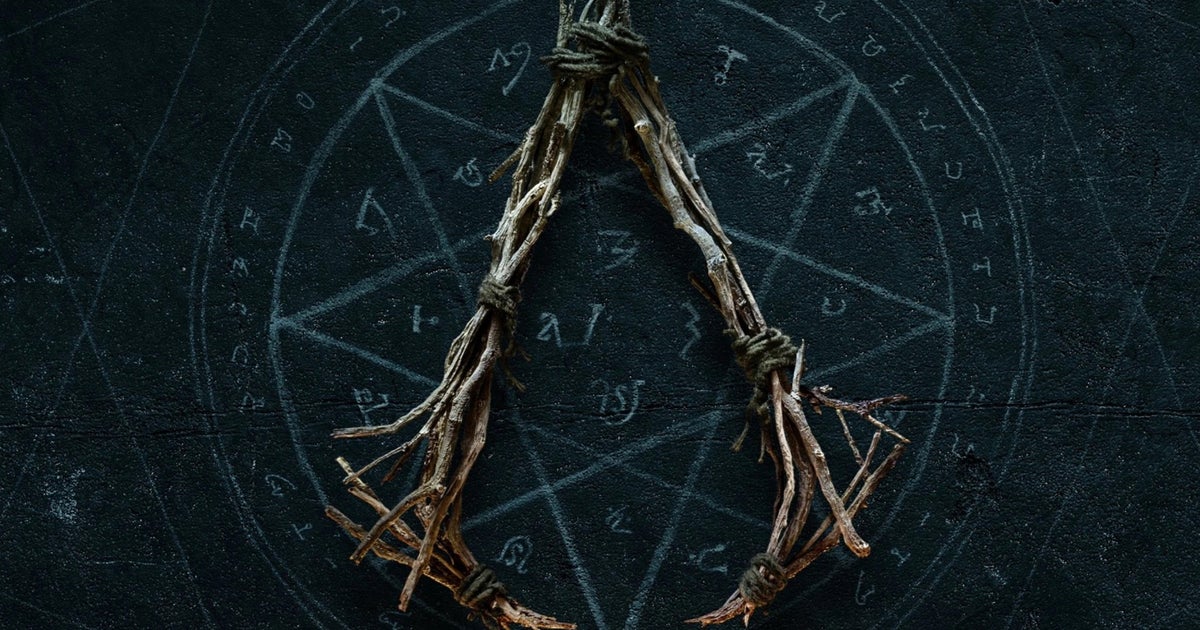
In the tumultuous world of video game development, leadership changes are not uncommon. However, when a project as high-profile and shrouded in mystery as Assassin's Creed Hexe experiences a double exodus at its highest creative and directorial levels, it sends ripples throughout the industry and raises significant concerns among fans and analysts alike. What began as a whisper in February with the departure of creative director Clint Hocking has now escalated into a full-blown alarm, as reports confirm the game has also lost its game director, whose identity remains undisclosed.
This unprecedented situation leaves the future of what was once envisioned as a dark, potentially horror-centric entry in the venerable Assassin's Creed saga in considerable doubt. Ubisoft, a titan in the gaming industry, now faces the daunting task of re-stabilizing a flagship project that appears to be adrift, prompting critical questions about its development pipeline, creative vision, and commitment to delivering on the ambitious promises made for Hexe.
A Troubled Production: The Double Departure
The initial shockwave hit in February when Clint Hocking, a celebrated veteran known for his work on titles like Splinter Cell: Chaos Theory and Watch Dogs: Legion, quietly exited the Assassin's Creed Hexe project. Hocking's involvement had been a significant draw, his reputation for innovative design and narrative depth suggesting a bold new direction for the franchise. His departure alone was enough to spark speculation about internal disagreements or fundamental shifts in the game's concept. At the time, Ubisoft remained tight-lipped, offering little in the way of explanation, which only fueled the rumor mill.
Fast forward to recent reports, and the situation has taken a turn for the worse: the game director, the individual responsible for overseeing the day-to-day development and ensuring the creative vision is translated into a playable experience, has also reportedly left. While the specific reasons for these departures are not publicly known, such high-level changes often indicate deep-seated issues within a project. These could range from creative differences with upper management, unrealistic deadlines, technical hurdles, or even a fundamental re-evaluation of the game's core premise. The absence of both a creative director, who shapes the overarching artistic vision, and a game director, who executes that vision, creates a significant leadership vacuum that is challenging to fill, especially mid-development.
The 'Assassin's Creed Hexe' Vision: A Glimpse into the Unknown
Assassin's Creed Hexe was first teased during Ubisoft Forward in September 2022 as part of the broader 'Assassin's Creed Infinity' hub. It was presented as a more linear, darker, and potentially horror-inspired entry, set during the Holy Roman Empire in 16th-century Central Europe, specifically focusing on the witch trials. Early concept art and limited details suggested a departure from the open-world RPG structure of recent titles, aiming for a more focused, narrative-driven experience reminiscent of the franchise's earlier days, but with a unique, unsettling twist.
The project was reportedly being led by Ubisoft Montreal, a studio with a long and storied history with the Assassin's Creed series. Hocking's involvement, in particular, had excited fans who hoped for a return to a more mature and intellectually stimulating narrative, moving beyond some of the more fantastical elements that have permeated recent installments. The premise of witch hunts and historical paranoia offered a rich tapestry for exploration, promising a truly distinct flavor within the expansive Assassin's Creed universe. Now, with the architects of that vision gone, the question looms: will Hexe retain its original, intriguing identity, or will it undergo a significant transformation?
Industry Implications and Ubisoft's Challenge
The departures from Assassin's Creed Hexe are not just an internal Ubisoft problem; they reflect broader challenges within the AAA game development landscape. High-stakes projects, often costing hundreds of millions of dollars and involving hundreds of developers, are incredibly complex to manage. Burnout, creative clashes, and the immense pressure to innovate while also delivering on established brand expectations are constant threats.
For Ubisoft, this situation adds to a period of considerable scrutiny. The company has faced criticism in recent years regarding its development cycles, perceived lack of innovation in some flagship titles, and internal workplace culture issues. The success of Assassin's Creed Mirage provided a welcome, albeit smaller-scale, return to form, but the 'Infinity' hub and its associated projects like Hexe and Codename Red represent the future of the franchise. Any significant stumble here could have long-term repercussions for the brand's trajectory.
Ubisoft's immediate challenge is multifaceted:
* Succession Planning: Identifying and onboarding new creative and game directors who can either seamlessly continue the existing vision or effectively steer the project in a new, compelling direction. * Team Morale: High-level departures can be demoralizing for the development team. Maintaining morale and ensuring continuity amidst such changes is crucial. * Investor Confidence: Reassuring investors and the public that the project remains on track and will ultimately deliver a quality product. * Maintaining Vision: The most critical aspect is whether the core, intriguing vision of Hexe – its dark themes, unique setting, and potential horror elements – can be preserved or if it will be diluted in the transition.
The Road Ahead: Uncertainty and Anticipation
The path forward for Assassin's Creed Hexe is now shrouded in uncertainty. While development on such a large project rarely grinds to a complete halt due to leadership changes, the direction and ultimate quality can be profoundly affected. It's plausible that the game's release date, which was already years away, could be pushed back further as new leadership settles in and potentially re-evaluates key aspects of the game.
Fans, who have been eagerly awaiting more details about Hexe's unique premise, are now left to wonder what kind of game will eventually emerge. Will it still be the grim, atmospheric journey through 16th-century witch trials that Hocking and his team initially conceived? Or will the new leadership usher in a different interpretation, perhaps one that aligns more closely with broader franchise expectations or addresses perceived issues that led to the departures?
Ubisoft's response to this crisis will be a critical test of its resilience and strategic planning. The company needs to communicate transparently, albeit carefully, with its audience and reassure its development teams. The gaming community will be watching closely, hoping that despite these significant setbacks, Assassin's Creed Hexe can still deliver on its promise of a truly innovative and memorable experience, proving that even after losing its key architects, the vision can endure and evolve into something extraordinary. The legacy of Assassin's Creed, and indeed Ubisoft's reputation for managing complex AAA titles, hangs in the balance.
Stay Informed
Get the world's most important stories delivered to your inbox.
No spam, unsubscribe anytime.
Comments
No comments yet. Be the first to share your thoughts!