Lutnick's 'Inconsequential' Epstein Meetings: Unpacking the Commerce Secretary's Testimony
U.S. Commerce Secretary Howard Lutnick recently testified to lawmakers about his limited interactions with disgraced financier Jeffrey Epstein, describing them as only three 'inconsequential' meetings. This testimony, given in a closed-door interview, aims to clarify the extent of their relationship amidst ongoing scrutiny of Epstein's associates. The disclosure raises questions about the definition of 'inconsequential' in the context of Epstein's vast network and the implications for public trust in high-ranking officials.
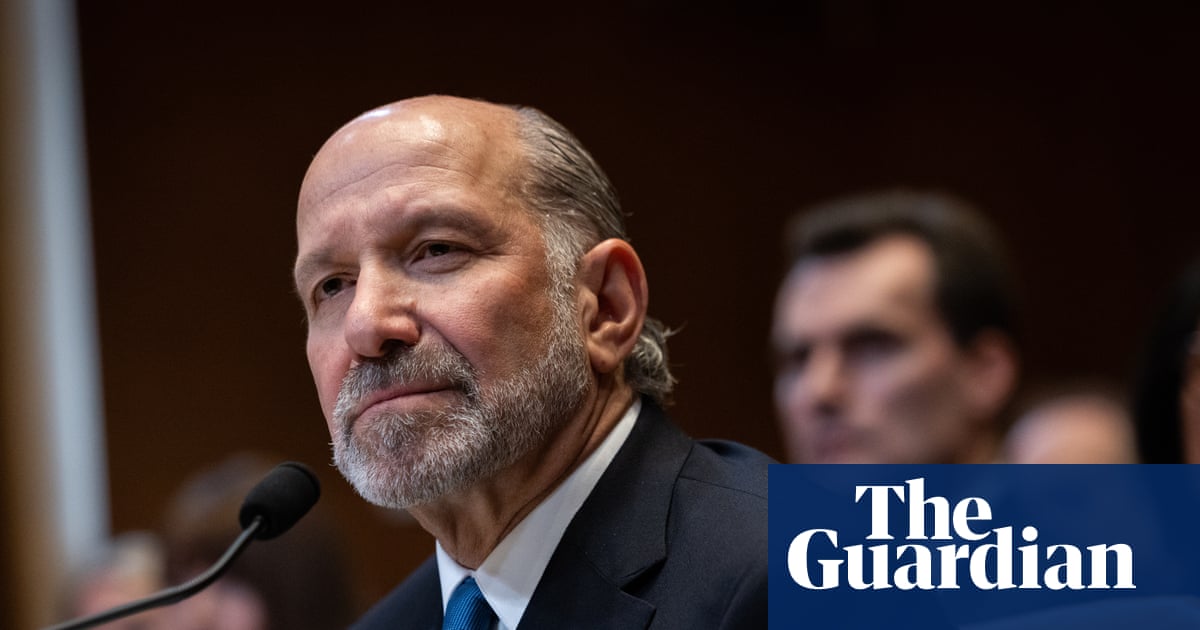
In the murky waters surrounding the late Jeffrey Epstein, new details continue to surface, casting long shadows over prominent figures. The latest revelation comes from none other than the U.S. Commerce Secretary, Howard Lutnick, who, in a closed-door interview earlier this month, told lawmakers he met Epstein only three times. These encounters, according to Lutnick, were entirely “inconsequential,” and he maintained that he had no “personal or professional relationship” with the disgraced financier. This testimony, part of an ongoing congressional inquiry, attempts to draw a clear line between casual acquaintance and deeper involvement, a distinction that has proven notoriously difficult to establish for many who orbited Epstein’s world. The public, however, remains acutely aware of the potential for even fleeting connections to carry significant weight, especially when high-ranking government officials are involved.
The Weight of Association: A Brief History of Epstein's Network
Jeffrey Epstein’s criminal enterprise, which involved the sexual abuse and trafficking of underage girls, was not conducted in isolation. It thrived within a vast and intricate network of powerful, wealthy, and influential individuals. From royalty to politicians, business magnates to academics, Epstein cultivated relationships that provided him with a veneer of legitimacy and, crucially, access. The sheer breadth of his contacts has led to years of investigations, public speculation, and legal battles, as victims and the public demand accountability from those who enabled or overlooked his heinous activities. The list of individuals who have admitted to knowing Epstein, even casually, reads like a who’s who of global elites. Each new name that emerges, regardless of the claimed extent of the relationship, inevitably triggers renewed scrutiny and public debate about complicity, willful ignorance, or simply poor judgment. Lutnick's assertion of 'inconsequential' meetings must be viewed through this lens of pervasive suspicion and the public's demand for transparency.
Lutnick's Testimony: Defining 'Inconsequential'
According to the transcript of his interview with the House committee, Secretary Lutnick's account details three specific instances of interaction. While the exact dates and circumstances of these meetings are not fully public, the emphasis on their 'inconsequential' nature suggests an attempt to minimize any perceived connection. For a high-profile figure like a Commerce Secretary, even a handful of meetings with a known sex offender, regardless of their content, can become a point of public concern. The definition of 'inconsequential' itself becomes a semantic battleground. Does it mean the meetings were brief, unrelated to business, or simply forgotten until prompted by investigation? Or does it imply a lack of substantive discussion or mutual benefit? Without further details, the public is left to interpret this claim, often through the prism of skepticism developed over years of Epstein-related revelations. The fact that this testimony was given in a closed-door setting, only to be revealed later, also contributes to the air of mystery and the public's desire for full disclosure.
The Broader Implications for Public Trust and Governance
The ongoing saga of Jeffrey Epstein's associates continues to erode public trust in institutions and individuals at the highest levels of society. When figures like the Commerce Secretary are compelled to address their past interactions with such a notorious criminal, it underscores the pervasive reach of Epstein's influence and the enduring questions surrounding his network. For the U.S. government, particularly, the integrity of its officials is paramount. Any perceived connection, however tenuous, to a figure like Epstein can raise concerns about ethical conduct, judgment, and the potential for undue influence. This isn't merely about personal reputation; it's about the credibility of the office and the administration. The public expects transparency and accountability, especially from those entrusted with significant power and responsibility. The very act of having to clarify such interactions, even if deemed 'inconsequential,' highlights the enduring stain Epstein has left on the fabric of global elites.
Furthermore, these revelations often fuel broader discussions about how powerful individuals are able to operate with apparent impunity, and how their networks can shield them from scrutiny for extended periods. The pressure on lawmakers to fully investigate every lead and hold individuals accountable remains immense. The public's memory, especially concerning cases of child exploitation and abuse, is long, and the demand for justice is unwavering. The scrutiny on Lutnick, therefore, is not an isolated incident but part of a larger, systemic reckoning.
Moving Forward: Transparency and Accountability
As the House committee continues its work, the expectation for full transparency from all individuals involved remains high. While Secretary Lutnick has provided his account, the public and lawmakers will undoubtedly seek further clarification and context. The lessons learned from the Epstein scandal are clear: no one is above scrutiny, and even seemingly minor associations can carry profound ethical and reputational consequences. For government officials, the bar for ethical conduct and transparency is, and should be, exceptionally high. The ongoing investigations serve as a stark reminder that the pursuit of justice for Epstein's victims necessitates a thorough examination of his entire network, leaving no stone unturned and no relationship unexamined, regardless of how 'inconsequential' it may be claimed to be. The ultimate goal is not just to understand the past, but to ensure such atrocities can never happen again, by holding all enablers and associates to account and restoring faith in the systems designed to protect the vulnerable. The public's vigilance, combined with persistent journalistic inquiry and legislative oversight, remains crucial in this ongoing quest for truth and justice.
Stay Informed
Get the world's most important stories delivered to your inbox.
No spam, unsubscribe anytime.
Comments
No comments yet. Be the first to share your thoughts!