Malaysian Fuel Crisis: Caltex Stations Grapple with Supply Shortages Amid Port Delays
Caltex service stations across several Malaysian states are experiencing significant disruptions in RON95 petrol and diesel supply. The shortages, attributed to unexpected port delays, are impacting regions including Perlis, Kedah, Penang, Perak, and Kelantan, with disruptions expected to last for several days. This incident highlights the fragility of global supply chains and raises concerns about energy security and economic stability in the region, affecting both daily commuters and commercial operations.
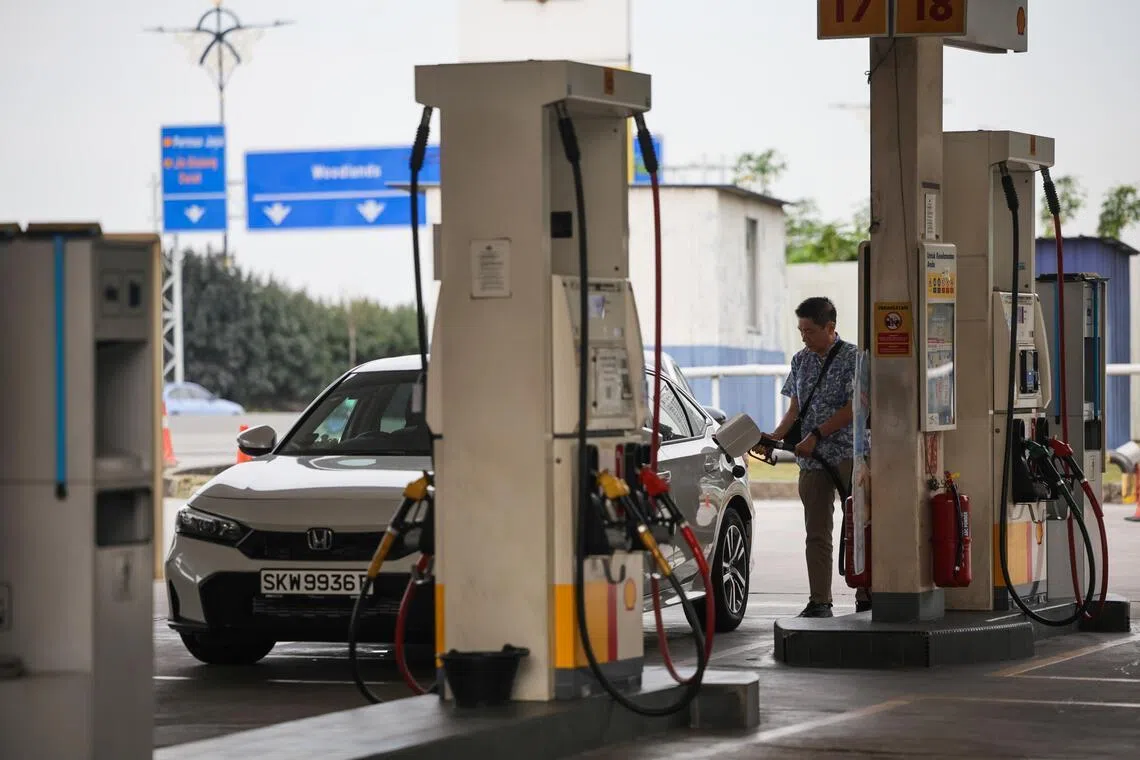
The daily rhythm of life in several Malaysian states has been abruptly interrupted as Caltex service stations face critical shortages of RON95 petrol and diesel. From the northern reaches of Perlis and Kedah to the bustling states of Penang, Perak, and Kelantan, motorists are encountering dry pumps and frustrated sighs. Caltex Malaysia has attributed these widespread disruptions to unexpected delays at the port, a seemingly innocuous phrase that belies the significant impact on thousands of citizens and businesses. This incident, while localized, serves as a potent reminder of the intricate and often precarious nature of modern supply chains, particularly when it comes to essential commodities like fuel.
The Immediate Impact: A Ripple Effect Across States
The immediate fallout of these supply disruptions is palpable. For the average Malaysian commuter, the inability to refuel means altered routines, longer travel times, and the potential for missed work or appointments. Small businesses reliant on transportation, from delivery services to agricultural operations, face increased operational costs and potential losses due to delays. The affected states are diverse, encompassing both urban centers and rural communities, meaning the impact is widespread and varied. In Penang, a major economic hub, fuel shortages can quickly cascade into broader economic inefficiencies. In more rural areas of Kelantan, where public transport options might be limited, the personal vehicle is often a lifeline, making these shortages particularly acute.
Caltex Malaysia has acknowledged the issue, stating that the disruptions are expected to last for several days. This timeline, while not indefinite, is long enough to cause considerable inconvenience and economic strain. The company has assured customers that it is working diligently to resolve the situation, but the underlying cause—port delays—points to systemic vulnerabilities that are often beyond the immediate control of individual corporations. This situation underscores the critical importance of robust logistics and contingency planning in an increasingly interconnected world.
Deeper Dive: Understanding Supply Chain Vulnerabilities
Fuel supply chains are inherently complex, involving extraction, refining, transportation (often by sea), storage, and distribution. A single choke point, such as a port delay, can have far-reaching consequences. Port efficiency is a cornerstone of global trade, and any slowdown—whether due to weather, labor disputes, infrastructure issues, or unforeseen administrative hurdles—can create a domino effect. In this instance, the “unexpected delays” at the port could stem from a myriad of factors: perhaps a backlog of ships, issues with offloading equipment, customs processing slowdowns, or even a shortage of truck drivers to transport the fuel from the port to the individual stations. Without specific details from Caltex, the exact nature of the delay remains speculative, but its impact is undeniable.
Historically, Malaysia has generally maintained a stable fuel supply, thanks to its position as an oil and gas producer and its well-developed infrastructure. However, even well-established systems are not immune to external shocks. The COVID-19 pandemic, for example, exposed the fragility of global supply chains across various sectors, leading to unprecedented disruptions. While the current situation is not on that scale, it serves as a micro-example of how localized logistical bottlenecks can quickly escalate into a public inconvenience and economic concern. This incident should prompt a review of supply chain resilience strategies, not just for fuel but for all critical resources.
Economic and Social Implications: Beyond the Pump
The economic ramifications of fuel shortages extend far beyond the immediate inconvenience at the pump. For businesses, increased fuel costs due to scarcity or the need to source from alternative, more expensive channels can erode profit margins. This can lead to higher prices for goods and services, contributing to inflationary pressures. For the agricultural sector, particularly in states like Kedah and Perlis which are significant rice producers, disruptions in diesel supply can impact farming machinery, potentially affecting crop yields and food security. The transportation sector, a critical artery of any economy, is directly hit, leading to delays in goods movement and increased operational costs for logistics companies.
Socially, such disruptions can breed frustration and distrust. When essential services are affected, public confidence can wane. There's also an equity dimension: those in lower-income brackets, who might rely on older, less fuel-efficient vehicles or have fewer alternative transportation options, are often disproportionately affected. The incident also highlights the importance of energy security—the uninterrupted availability of energy sources at an affordable price. While Malaysia is a net exporter of oil and gas, its domestic distribution network must be robust enough to handle internal demand without significant hitches.
Looking Ahead: Building Resilience and Transparency
As Caltex works to restore full supply, this incident offers valuable lessons for all stakeholders. For fuel distributors, it underscores the need for enhanced contingency planning, including diversified supply routes, increased buffer stocks, and improved communication protocols with port authorities and logistics partners. Investing in advanced logistics technology, such as real-time tracking and predictive analytics, could help anticipate and mitigate future disruptions.
For government regulators and policymakers, the event highlights the importance of overseeing critical infrastructure and ensuring the smooth functioning of ports and transportation networks. This might involve reviewing port capacities, optimizing customs procedures, and ensuring adequate labor availability. Furthermore, transparent communication from companies and authorities during such crises is paramount to manage public expectations and prevent panic.
In conclusion, the fuel supply disruptions at Caltex stations in Malaysia, while seemingly a temporary inconvenience, are a microcosm of broader global challenges related to supply chain resilience and energy security. As the world navigates an increasingly complex geopolitical and economic landscape, the ability to maintain the uninterrupted flow of essential goods will be a defining characteristic of stable and prosperous nations. This episode serves as a timely reminder that even the most robust systems require constant vigilance and adaptation to unexpected challenges.
Stay Informed
Get the world's most important stories delivered to your inbox.
No spam, unsubscribe anytime.
Comments
No comments yet. Be the first to share your thoughts!