Malaysia's Deadly Road Rage: Military Officer Arrested in Fatal Drunk Driving Incident
A tragic incident on Malaysia's Maju Expressway has led to the arrest of a 31-year-old military officer, suspected of drunk driving against traffic, resulting in the death of a 22-year-old Bangladeshi passenger. This case highlights the persistent issue of impaired driving and road safety challenges in Southeast Asia. Authorities are pursuing charges, underscoring a commitment to justice amidst growing public concern over traffic fatalities.
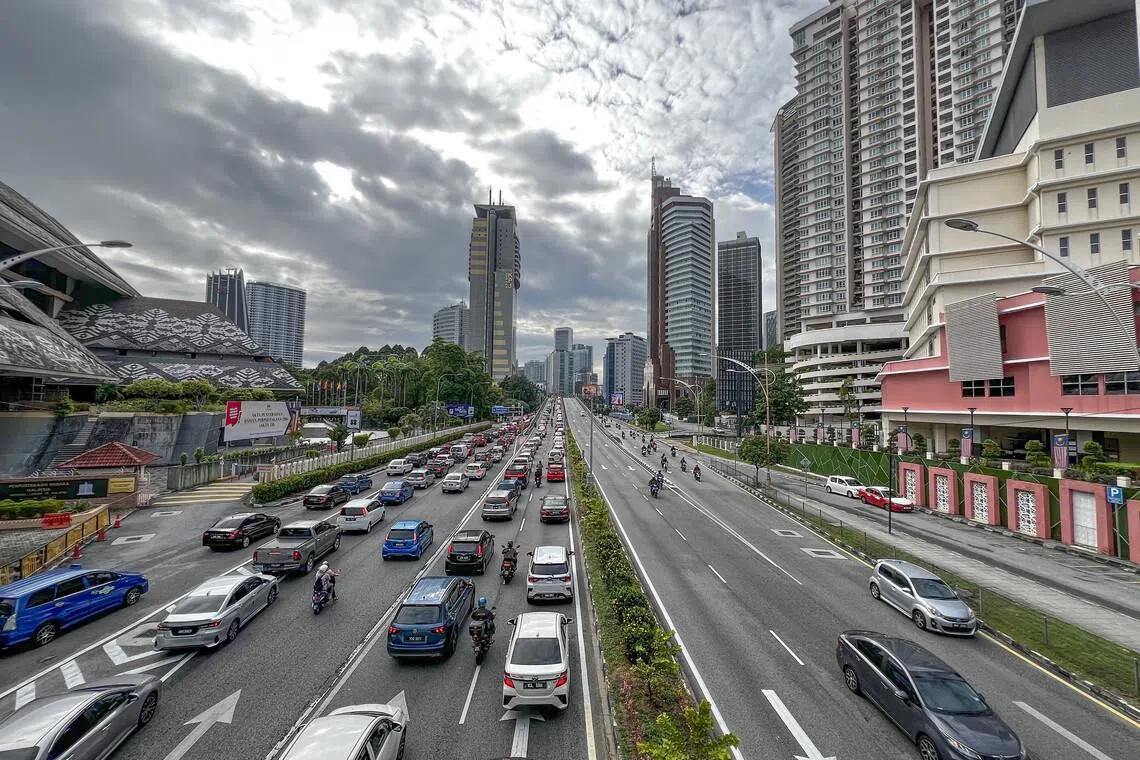
The serene pre-dawn hours of April 23 on Malaysia's Maju Expressway (MEX) were shattered by a horrific collision, casting a grim spotlight on the pervasive and deadly issue of impaired driving. A 31-year-old military officer, whose identity remains under wraps pending formal charges, was arrested following a fatal crash believed to have been caused by driving against traffic while under the influence of alcohol. The incident claimed the life of a 22-year-old Bangladeshi passenger, who succumbed to severe head injuries, leaving a community in shock and raising urgent questions about road safety enforcement and personal accountability.
This isn't merely an isolated traffic accident; it's a stark reminder of the devastating consequences when personal irresponsibility intersects with public roadways. The involvement of a military officer adds another layer of complexity and scrutiny, prompting calls for transparency and rigorous application of the law, regardless of profession or status. As investigations unfold, the incident serves as a critical case study for Malaysia's ongoing battle against road fatalities.
The Tragic Incident and Immediate Aftermath
According to initial reports from the Kuala Lumpur Traffic Investigation and Enforcement Department, the collision occurred in the early morning hours, a time often associated with reduced visibility and heightened risk. The military officer was allegedly driving his vehicle in the wrong direction on the MEX, a major artery connecting Kuala Lumpur to Putrajaya and Cyberjaya, when he collided head-on with another car. The force of the impact was severe, leading to immediate and critical injuries for the occupants of both vehicles. The Bangladeshi passenger, whose name has not been publicly released, was pronounced dead at the scene or shortly after, a tragic end to a young life.
The officer, who sustained injuries himself, was promptly apprehended by authorities. Blood alcohol tests were reportedly conducted, and the results are expected to be a crucial piece of evidence in the ongoing investigation. The immediate response from law enforcement underscores the gravity with which such incidents are treated, particularly when drink driving is suspected. The scene of the accident was a chaotic tableau of twisted metal and emergency personnel, a grim testament to the destructive power of high-speed impacts. Local media outlets quickly picked up the story, disseminating details that fueled public outrage and concern.
A Broader Context: Road Safety in Malaysia and Southeast Asia
Malaysia, like many of its Southeast Asian neighbors, grapples with a significant challenge in road safety. Despite concerted efforts by government agencies and NGOs, traffic fatalities remain alarmingly high. According to the Malaysian Institute of Road Safety Research (MIROS), an average of 17 people die on Malaysian roads every day. While motorcycles account for a large proportion of these deaths, incidents involving cars, especially those linked to impaired driving, contribute significantly to the overall toll.
Drink driving is a particularly insidious problem. Data from the Royal Malaysia Police (PDRM) indicates a worrying trend of increasing arrests for driving under the influence in recent years, despite stricter penalties introduced through amendments to the Road Transport Act 1987. These amendments, which came into effect in 2020, significantly increased fines, jail terms, and disqualification periods for offenders. For instance, a first-time offender for drink driving causing death now faces a minimum of 10 years and a maximum of 15 years in prison, along with a fine of RM50,000 to RM100,000. The hope was that these harsher penalties would serve as a stronger deterrent, yet incidents like the one on the MEX suggest that the message is still not reaching everyone.
Beyond Malaysia, the issue resonates across the region. Countries like Thailand, Vietnam, and Indonesia consistently rank among the highest globally for road accident deaths. Factors contributing to this include: * Lack of consistent enforcement of traffic laws * Cultural attitudes towards alcohol consumption and driving * Inadequate infrastructure in some areas * Insufficient public awareness campaigns on the dangers of impaired driving
The World Health Organization (WHO) has repeatedly called for greater investment in road safety initiatives in low- and middle-income countries, highlighting that road traffic injuries are a leading cause of death for people aged 5-29 years globally. This incident in Malaysia is a microcosm of a much larger, global health crisis.
Legal Implications and Public Trust
The arrest of a military officer in connection with a fatal drink driving incident carries significant legal and ethical weight. The Malaysian Armed Forces (ATM) has a strict code of conduct, and any transgression, particularly one resulting in loss of life, is treated with extreme seriousness. The officer will likely face charges under both civilian law (Road Transport Act) and potentially military disciplinary proceedings. This dual accountability mechanism is crucial for maintaining public trust in institutions, especially when those entrusted with national security are involved in criminal acts.
Transparency in the investigation and judicial process will be paramount. Any perception of preferential treatment or a cover-up due to the officer's status could severely erode public confidence in the justice system. Civil society groups and advocacy organizations are likely to monitor the case closely, ensuring that justice is served for the victim and their family. The outcome of this case could set an important precedent for how high-profile individuals are held accountable for their actions on the road.
Moving Forward: Prevention and Accountability
The tragic death on the MEX serves as a poignant and urgent call to action. While legislative changes have been made, effective enforcement and public education remain critical pillars of road safety. Campaigns must move beyond mere warnings to foster a deeper understanding of the risks and consequences of impaired driving. This includes:
* Targeted awareness programs for specific demographics, including military personnel. * Increased police presence and random breath testing at high-risk times and locations. * Investment in alternative transportation options to reduce the temptation to drive after consuming alcohol. * Community-led initiatives that promote responsible drinking and designated driver programs.
Ultimately, preventing future tragedies requires a multi-faceted approach involving government, law enforcement, civil society, and individual citizens. The memory of the young Bangladeshi passenger, whose life was cut short by a preventable act of recklessness, should serve as a powerful impetus for change. Only through collective responsibility and unwavering commitment to safety can Malaysia hope to curb the devastating toll of its roads and ensure that justice, in all its forms, prevails. The incident on the Maju Expressway is a stark reminder that road safety is not just a policy issue; it is a matter of life and death, demanding constant vigilance and unwavering resolve to protect every individual who travels on our shared pathways.
This incident underscores the need for continuous vigilance and adaptation in road safety strategies. The human cost of impaired driving is immeasurable, and every effort must be made to prevent such senseless losses. The eyes of the nation, and indeed the international community, will be on Malaysia as this case progresses, hoping for a resolution that reinforces the principles of justice and accountability for all.
Stay Informed
Get the world's most important stories delivered to your inbox.
No spam, unsubscribe anytime.
Comments
No comments yet. Be the first to share your thoughts!