Maria Walsh's Pregnancy: A Beacon for Single Mothers and LGBTQI+ Families
Fine Gael MEP Maria Walsh has announced her pregnancy at 16 weeks, conceived through fertility treatment and sperm donation. Her personal journey highlights the evolving landscape of family formation and aims to empower other single women and LGBTQI+ individuals to pursue motherhood. This groundbreaking announcement challenges traditional norms and sparks vital conversations about reproductive rights, accessibility, and societal acceptance.
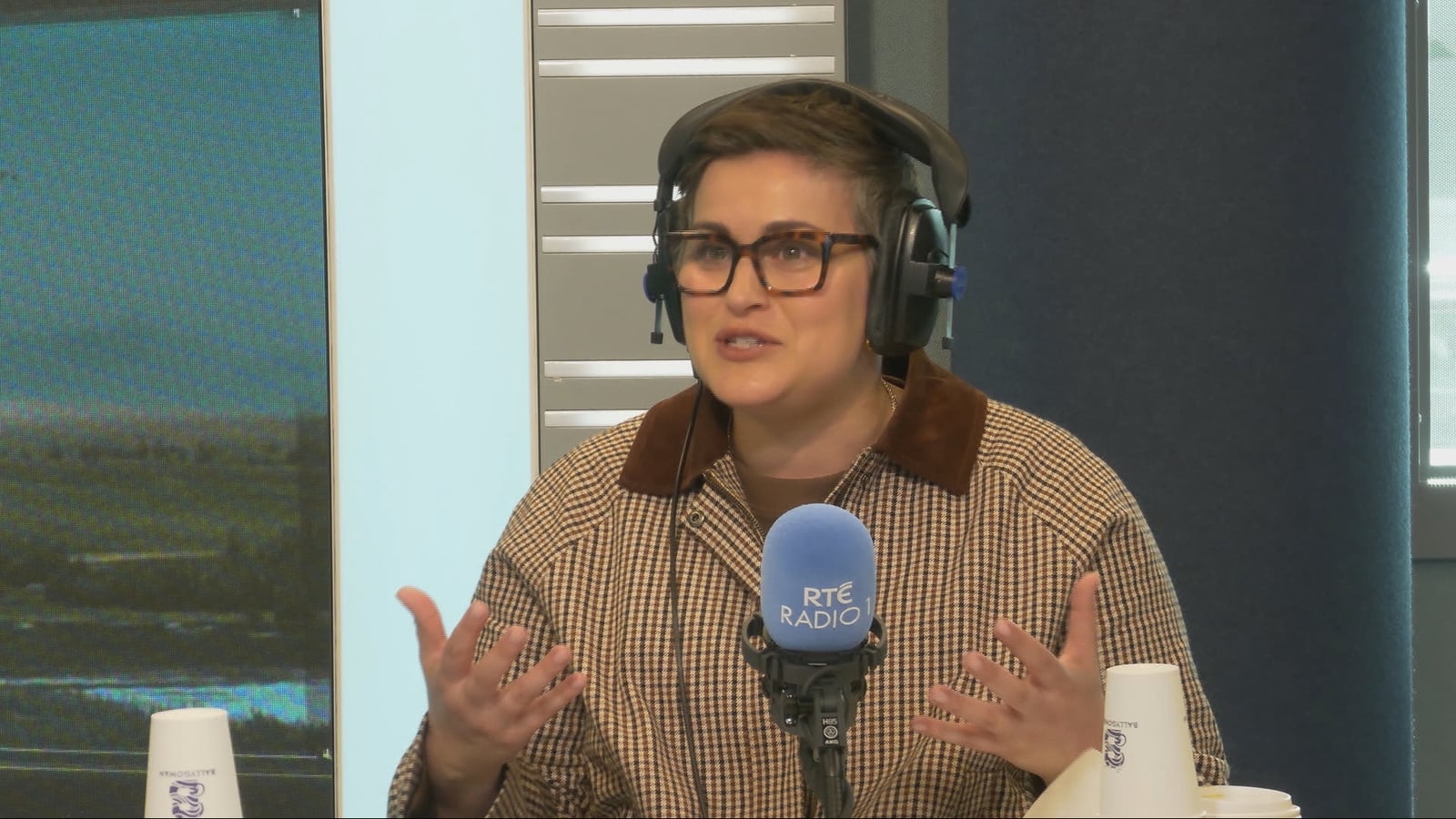
In a deeply personal and profoundly impactful announcement, Fine Gael MEP Maria Walsh has confirmed she is 16 weeks pregnant, having conceived through fertility treatment and sperm donation. Her candid revelation is not merely a personal milestone but a powerful statement of intent, aiming to illuminate and empower other single women and individuals within the LGBTQI+ community who aspire to motherhood. Walsh’s journey, shared with remarkable openness, is set to become a significant touchstone in the ongoing global conversation about family diversity, reproductive autonomy, and challenging entrenched societal norms.
Walsh, a prominent figure in Irish and European politics, has long been an advocate for equality and inclusion. Her decision to share the intimate details of her path to pregnancy underscores a broader shift in how families are formed and perceived in the 21st century. This announcement comes at a time when discussions around reproductive technologies, donor conception, and the rights of single parents and LGBTQI+ parents are gaining increasing traction across Europe and beyond. Her story provides a tangible, high-profile example of how modern medicine and evolving social attitudes are creating new pathways to parenthood, breaking down barriers that once seemed insurmountable.
The Evolving Landscape of Family Formation
For centuries, the traditional nuclear family — a married heterosexual couple and their biological children — was the dominant, often singular, model of family. However, the latter half of the 20th century and the dawn of the 21st have witnessed a dramatic diversification of family structures. Advances in reproductive technologies, coupled with significant shifts in social acceptance and legal frameworks, have paved the way for single-parent families by choice, same-sex parent families, and blended families to become increasingly common and recognized. Maria Walsh’s journey is a vivid illustration of this evolution.
Assisted Reproductive Technologies (ART), including IVF, IUI, and sperm donation, have revolutionized the possibilities for individuals and couples facing infertility or those who do not have a partner. According to the European Society of Human Reproduction and Embryology (ESHRE), millions of babies have been born worldwide through ART since the first IVF birth in 1978. The availability of sperm donation specifically offers a viable and increasingly accessible route for single women and lesbian couples to conceive. This medical progress has been critical in decoupling parenthood from traditional marital or sexual relationships, emphasizing instead the desire and capacity to nurture a child.
Moreover, the legal and social recognition of LGBTQI+ rights has been a monumental step. Marriage equality and adoption rights for same-sex couples, now prevalent in many Western nations, have affirmed that love and commitment, not gender or sexual orientation, are the cornerstones of a family. Walsh, who is openly gay, embodies this intersection, demonstrating that a single woman, regardless of her sexual orientation, can choose to embark on the journey of motherhood with the support of modern science.
Challenging Stigma and Advocating for Accessibility
Despite the progress, significant stigma can still surround non-traditional family paths. Single mothers by choice, for instance, sometimes face questions about their decision or the perceived absence of a paternal figure. Similarly, LGBTQI+ parents have historically contended with prejudice and discrimination. Maria Walsh’s public sharing of her story serves as a powerful counter-narrative to these outdated biases. By speaking openly about her use of fertility treatment and sperm donation, she normalizes these processes and challenges the notion that there is only one 'right' way to become a parent.
Her advocacy extends beyond mere personal disclosure. Walsh explicitly stated her hope that her journey will help others, particularly single women and those in the LGBTQI+ community. This is a call to action, urging society to be more inclusive and supportive of diverse family structures. It also implicitly highlights the need for continued efforts to ensure that fertility treatments and donor services are accessible and affordable to all who wish to pursue them, regardless of their marital status, sexual orientation, or socioeconomic background. Many countries still have restrictive laws or prohibit certain groups from accessing ART, creating significant disparities in reproductive opportunities.
The Broader Societal and Political Implications
Maria Walsh’s announcement resonates deeply within political and social spheres. As an MEP, her personal experience lends significant weight to policy discussions surrounding reproductive rights, family law, and healthcare funding. Her story could galvanize support for more progressive legislation across the European Union, advocating for greater harmonization of laws that impact access to fertility treatments and the recognition of diverse family forms.
For example, debates around cross-border recognition of parentage within the EU are ongoing. A child born to parents in one EU country might not have their parentage recognized in another, creating legal limbo and practical difficulties for families. High-profile cases like Walsh’s can bring these complex issues to the forefront, pressuring policymakers to ensure that all children, regardless of how they were conceived or who their parents are, have their legal status and rights protected across member states. Furthermore, her visibility can inspire other public figures and individuals to share their stories, fostering a cascade of openness that can gradually erode societal prejudices.
A Forward-Looking Perspective: Embracing Diversity
Maria Walsh’s pregnancy announcement is more than just news; it is a moment that encapsulates the ongoing evolution of what it means to be a family in the modern world. It is a testament to personal courage, a beacon of hope for many, and a catalyst for crucial conversations. Her journey underscores the fundamental human desire for parenthood and the myriad ways in which that desire can be fulfilled through resilience, love, and the marvels of modern science.
As societies continue to grapple with declining birth rates and changing demographics, embracing and supporting diverse family models becomes not just a matter of equality, but also a societal imperative. The future of family is one that is increasingly defined by choice, love, and commitment, rather than rigid traditional structures. Maria Walsh, through her brave and open sharing, is helping to lead the charge towards a more inclusive and understanding world where every individual’s dream of parenthood can be realized, irrespective of their circumstances. Her story is a powerful reminder that family is, ultimately, where love resides, in all its beautiful and diverse forms.
Stay Informed
Get the world's most important stories delivered to your inbox.
No spam, unsubscribe anytime.
Comments
No comments yet. Be the first to share your thoughts!