Maruti Suzuki Supercharges Production: Kharkhoda's Second Plant Ignites India's Automotive Future
Maruti Suzuki, India's leading automaker, has significantly expanded its manufacturing prowess with the inauguration of its second plant in Kharkhoda, Haryana. This strategic move elevates the company's total annual production capacity to an impressive 26.5 lakh units, reinforcing its market dominance. The new facility is a cornerstone of Maruti Suzuki's long-term growth strategy, promising enhanced efficiency, job creation, and a bolster to India's 'Make in India' initiative. It signifies a pivotal moment for both the company and the broader Indian automotive sector.
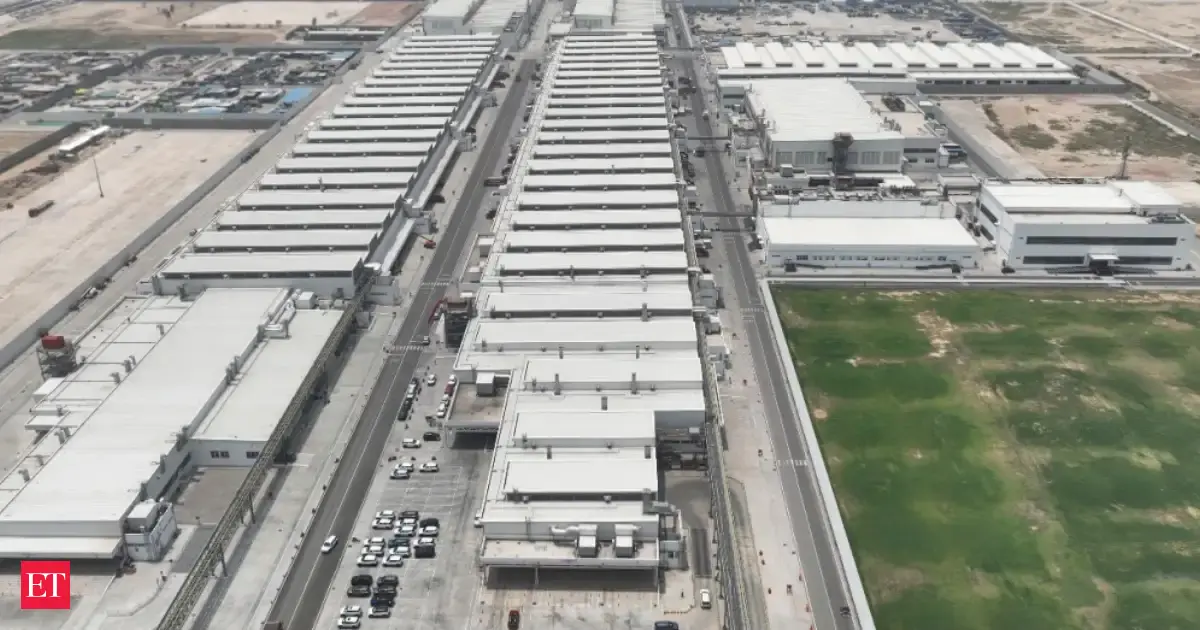
In a significant leap forward for India's automotive manufacturing landscape, Maruti Suzuki, the nation's undisputed leader in passenger vehicles, has officially inaugurated its second state-of-the-art production facility in Kharkhoda, Haryana. This monumental expansion is not merely an addition of brick and mortar; it represents a strategic recalibration of the company's manufacturing capabilities, pushing its total annual production capacity to an unprecedented 26.5 lakh units. The new plant, alongside its existing counterpart, transforms Kharkhoda into a formidable automotive hub, now capable of churning out a combined 5 lakh units annually. This move is poised to reshape the competitive dynamics of the Indian auto market, promising a surge in vehicle availability, technological advancement, and a significant boost to regional employment.
A Strategic Imperative: Meeting Soaring Demand
The decision to invest heavily in the Kharkhoda expansion comes at a critical juncture for Maruti Suzuki. India's automotive market, despite global headwinds, continues to demonstrate robust growth, driven by an expanding middle class, increasing disposable incomes, and a burgeoning demand for personal mobility. For years, Maruti Suzuki has grappled with the challenge of meeting this escalating demand, often leading to extended waiting periods for its popular models. The new Kharkhoda plant is a direct response to this market imperative, designed to alleviate supply constraints and ensure that the company can capitalize on the burgeoning opportunities within the domestic and export markets.
This expansion is part of a broader, meticulously planned strategy to enhance manufacturing capabilities across Maruti Suzuki's four key locations. By diversifying and strengthening its production footprint, the company aims to build greater resilience into its supply chain, optimize logistics, and foster regional economic development. The Kharkhoda site, strategically located within the Delhi-Mumbai Industrial Corridor (DMIC), offers excellent connectivity to major consumption centers and ports, making it an ideal choice for large-scale manufacturing operations. The initial investment in the first phase alone was substantial, underscoring the company's long-term commitment to this region and its vision for sustained growth.
The Kharkhoda Hub: A New Dawn for Manufacturing Excellence
The Kharkhoda facility is not just about increased numbers; it's about embracing the future of manufacturing. The new plant incorporates cutting-edge technologies, advanced automation, and sustainable practices, aligning with Maruti Suzuki's commitment to operational excellence and environmental stewardship. It is expected to feature highly automated assembly lines, advanced robotics for precision manufacturing, and sophisticated quality control systems to ensure that every vehicle rolling off the line meets the company's stringent standards.
One of the most significant aspects of this expansion is its potential for job creation. The establishment of such a large-scale manufacturing unit invariably leads to a ripple effect across the local economy. Thousands of direct jobs will be created in manufacturing, engineering, and administration, while countless indirect jobs will emerge in ancillary industries, logistics, services, and local businesses. This influx of employment opportunities will provide a substantial economic uplift to the Kharkhoda region and the broader state of Haryana, contributing to skill development and improving living standards.
Furthermore, the plant is designed with a focus on sustainability. Maruti Suzuki has been increasingly prioritizing eco-friendly manufacturing processes, including reduced water consumption, efficient energy utilization, and waste minimization. The new Kharkhoda plant is expected to integrate these green initiatives, setting new benchmarks for responsible industrial practices within the Indian automotive sector. This commitment to sustainability not only aligns with global environmental goals but also enhances the company's brand image and appeal to environmentally conscious consumers.
Impact on the Indian Automotive Ecosystem
The inauguration of Maruti Suzuki's second Kharkhoda plant sends a powerful signal throughout the Indian automotive ecosystem. For component suppliers, it means increased orders and opportunities for growth. The establishment of a major OEM plant often encourages ancillary industries to set up operations nearby, creating an automotive cluster that benefits from proximity, shared infrastructure, and a skilled workforce. This clustering effect can lead to greater efficiency, innovation, and competitiveness across the entire supply chain.
For consumers, the increased production capacity translates into shorter waiting periods for popular Maruti Suzuki models, wider availability of vehicles, and potentially a more competitive pricing environment as supply better matches demand. Maruti Suzuki's extensive product portfolio, ranging from entry-level hatchbacks to SUVs, caters to a vast segment of the Indian market. The enhanced capacity will allow the company to introduce new models more frequently and scale up production of existing high-demand vehicles, thereby strengthening its market leadership.
Moreover, this expansion reinforces India's position as a global manufacturing hub. The 'Make in India' initiative, championed by the government, aims to transform the country into a manufacturing powerhouse. Maruti Suzuki's substantial investment and capacity expansion at Kharkhoda are a testament to the success of this initiative, attracting further foreign and domestic investment into the manufacturing sector. It showcases India's capabilities in high-volume, high-quality automotive production, paving the way for increased exports and a stronger presence in the global automotive value chain.
Looking Ahead: A Future Forged in Steel and Innovation
The second Kharkhoda plant is more than just an operational milestone; it's a statement of intent from Maruti Suzuki. It underscores the company's unwavering confidence in the long-term growth trajectory of the Indian market and its determination to maintain its dominant position. As the automotive industry continues to evolve, driven by trends like electrification, connected cars, and autonomous driving, Maruti Suzuki's robust manufacturing base will provide the necessary foundation to adapt and innovate.
Future strategies will likely include further integration of advanced manufacturing techniques, exploration of new energy vehicle production lines, and continued investment in research and development to stay ahead of technological curves. The increased capacity at Kharkhoda will enable Maruti Suzuki to be more agile in responding to market shifts and consumer preferences, ensuring that it remains at the forefront of India's automotive revolution. This expansion is a powerful testament to the company's enduring legacy and its dynamic vision for a future forged in steel and innovation, driving economic prosperity and mobility for millions across the subcontinent.
Stay Informed
Get the world's most important stories delivered to your inbox.
No spam, unsubscribe anytime.
Comments
No comments yet. Be the first to share your thoughts!