Met Chief Slams Green Party Leader: 'Chilling Effect' of Golders Green Attack Criticism
Metropolitan Police Commissioner Mark Rowley has strongly criticized Green Party leader Zack Polanski for questioning the arrest of a terror suspect in Golders Green. Rowley warns that such public skepticism from a political figure could have a "chilling effect" on policing and undermine public trust. The incident highlights growing tensions between political oversight and operational policing, particularly in sensitive cases involving alleged terrorism and community safety.
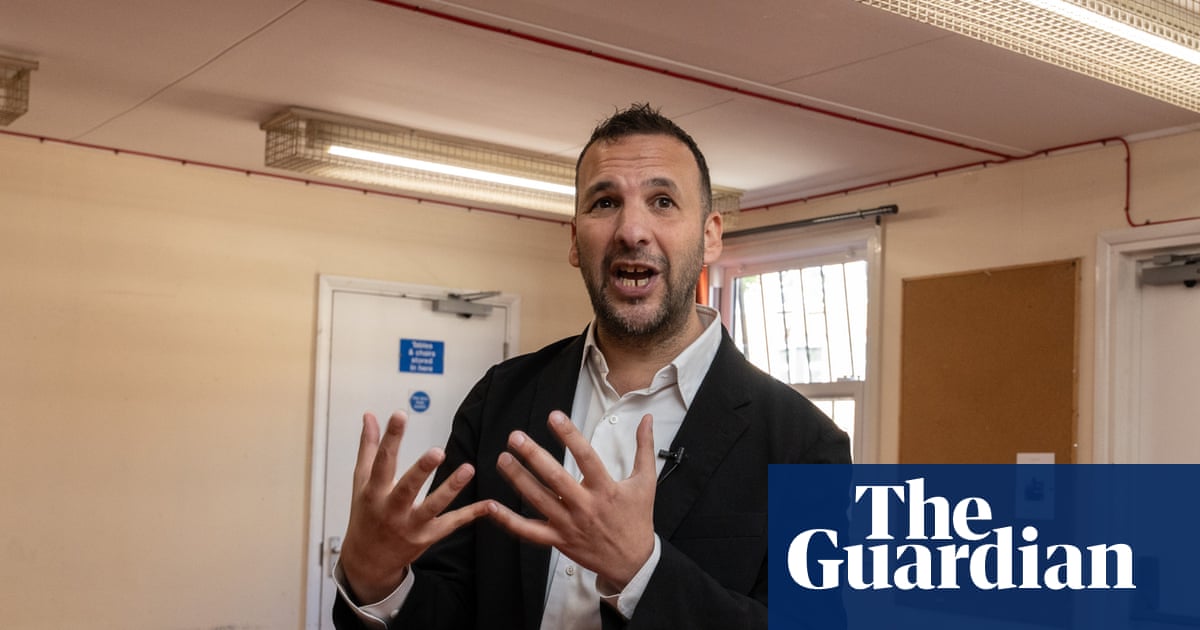
In a pointed rebuke that has sent ripples through British political and policing circles, Metropolitan Police Commissioner Mark Rowley has publicly condemned Green Party leader Zack Polanski, accusing him of creating a “chilling effect” by sharing a post critical of the arrest of a terror suspect in Golders Green. The commissioner’s strong words underscore a growing friction between political scrutiny and the operational independence of law enforcement, particularly in the immediate aftermath of sensitive incidents.
The controversy stems from the arrest of a 45-year-old man following an incident in Golders Green where two Jewish people were reportedly stabbed. While details of the attack remain under investigation, the swift police response led to an arrest, which Polanski then publicly questioned. Rowley’s response was unequivocal, emphasizing the need for solidarity with officers facing complex and dangerous situations, and warning against comments that could undermine their work and public confidence.
The Incident and Its Immediate Aftermath
The incident in Golders Green, a historically significant Jewish neighborhood in North London, sent shockwaves through the community. Reports of two individuals being stabbed quickly escalated concerns, particularly given the recent rise in antisemitic incidents globally and within the UK. The Metropolitan Police acted swiftly, apprehending a suspect. While the full nature and motives of the attack are still being investigated, the immediate police action was presented as a decisive response to a potentially terror-related act.
However, the subsequent public comment by Zack Polanski, a prominent Green Party figure and Deputy Leader of the Green Party of England and Wales, sparked the current controversy. Polanski reportedly shared a social media post that questioned the necessity or appropriateness of the arrest, drawing immediate fire from various quarters, including the police leadership. This action, according to Commissioner Rowley, risked politicizing a critical law enforcement operation and could deter officers from acting decisively in future high-stakes scenarios.
'Chilling Effect': A Commissioner's Warning
Commissioner Rowley's use of the phrase “chilling effect” is particularly potent. It implies that political criticism, especially from a public figure, can create an environment where officers hesitate to perform their duties effectively, fearing undue scrutiny or backlash. This is not merely about individual officers; it speaks to the broader institutional confidence and the perception of police legitimacy. In Rowley’s view, Polanski’s intervention was not constructive oversight but rather an unhelpful intervention that could erode the very foundations of policing.
“When a senior politician, particularly one in a position of leadership, publicly casts doubt on the professional judgment of officers responding to an alleged terror incident, it sends a dangerous message,” Rowley stated, implicitly. “It suggests that their actions, taken under immense pressure, will be second-guessed and potentially condemned without full understanding of the facts. This can lead to hesitation, which in policing, particularly in terror-related situations, can have catastrophic consequences.”
This sentiment resonates with long-standing debates about the balance between democratic accountability and operational independence for police forces. While police are rightly subject to scrutiny, the timing and nature of such criticism are crucial. Police chiefs often argue that immediate, uninformed criticism can undermine morale and operational effectiveness, particularly when officers are dealing with fast-moving, high-stress situations.
Political Scrutiny vs. Operational Independence
The tension between political oversight and operational independence is a delicate but necessary dynamic in any democratic society. Politicians have a legitimate role in holding public institutions accountable, ensuring that police powers are exercised responsibly and within legal frameworks. However, there is a fine line between legitimate scrutiny and interference that can hamper effective policing.
* Legitimate Scrutiny: This includes questioning police policies, investigating misconduct, ensuring transparency, and advocating for community-centric policing reforms. * Interference/Undermining: This can involve premature judgment of ongoing investigations, public condemnation of officers without full facts, or comments that politicize law enforcement actions, potentially leading to a loss of public and officer confidence.
In this instance, Rowley’s concern is that Polanski’s comments crossed that line, moving from legitimate inquiry to potentially undermining public trust in the police’s ability to protect communities from serious threats. The Golders Green incident is not just about an arrest; it's about the broader context of community safety, the rise of extremism, and the role of public figures in shaping narratives around law enforcement.
The Broader Context: Antisemitism and Community Safety
The Golders Green incident occurs against a backdrop of heightened concerns about antisemitism in the UK and globally. Following recent international events, Jewish communities have reported a significant increase in hate crimes and threats. This makes any incident involving violence against Jewish individuals particularly sensitive and underscores the need for robust police protection and clear public messaging.
Polanski’s comments, regardless of intent, were perceived by many as insensitive to these heightened anxieties, potentially adding to the community’s distress rather than reassuring them of protection. The Green Party, while often advocating for civil liberties and police reform, now finds itself in a difficult position, needing to clarify its stance on supporting law enforcement in protecting vulnerable communities.
Conclusion: A Call for Solidarity and Responsible Discourse
Commissioner Rowley’s call for solidarity is not merely a plea for political support; it is a strategic demand for responsible public discourse. In an era of rapid information dissemination and polarized opinions, the words of public figures carry immense weight. The Metropolitan Police is under constant pressure to maintain order, combat crime, and protect diverse communities. When faced with alleged terror incidents, their ability to act decisively, without fear of immediate political condemnation, is paramount.
This episode serves as a critical reminder for all political leaders: while scrutiny is essential, it must be balanced with an understanding of operational realities and a commitment to not inadvertently undermine the institutions tasked with public safety. The “chilling effect” Rowley warns of is a risk to effective policing and, ultimately, to the safety and security of all citizens. Moving forward, a more constructive dialogue, focused on facts and mutual respect for roles, will be crucial to navigating these complex challenges and ensuring trust between communities, politicians, and the police.
Stay Informed
Get the world's most important stories delivered to your inbox.
No spam, unsubscribe anytime.
Comments
No comments yet. Be the first to share your thoughts!