Meta's Q1 2026: A Deep Dive into Resilience Amidst Market Jitters
Despite a slight dip in stock performance post-earnings, Meta Platforms' Q1 2026 results present a compelling narrative of underlying strength and strategic growth. This article explores the company's robust financial health, its ambitious investments in the metaverse, and the long-term implications for shareholders. We analyze why, for many, Meta's current trajectory leaves little room for complaint.
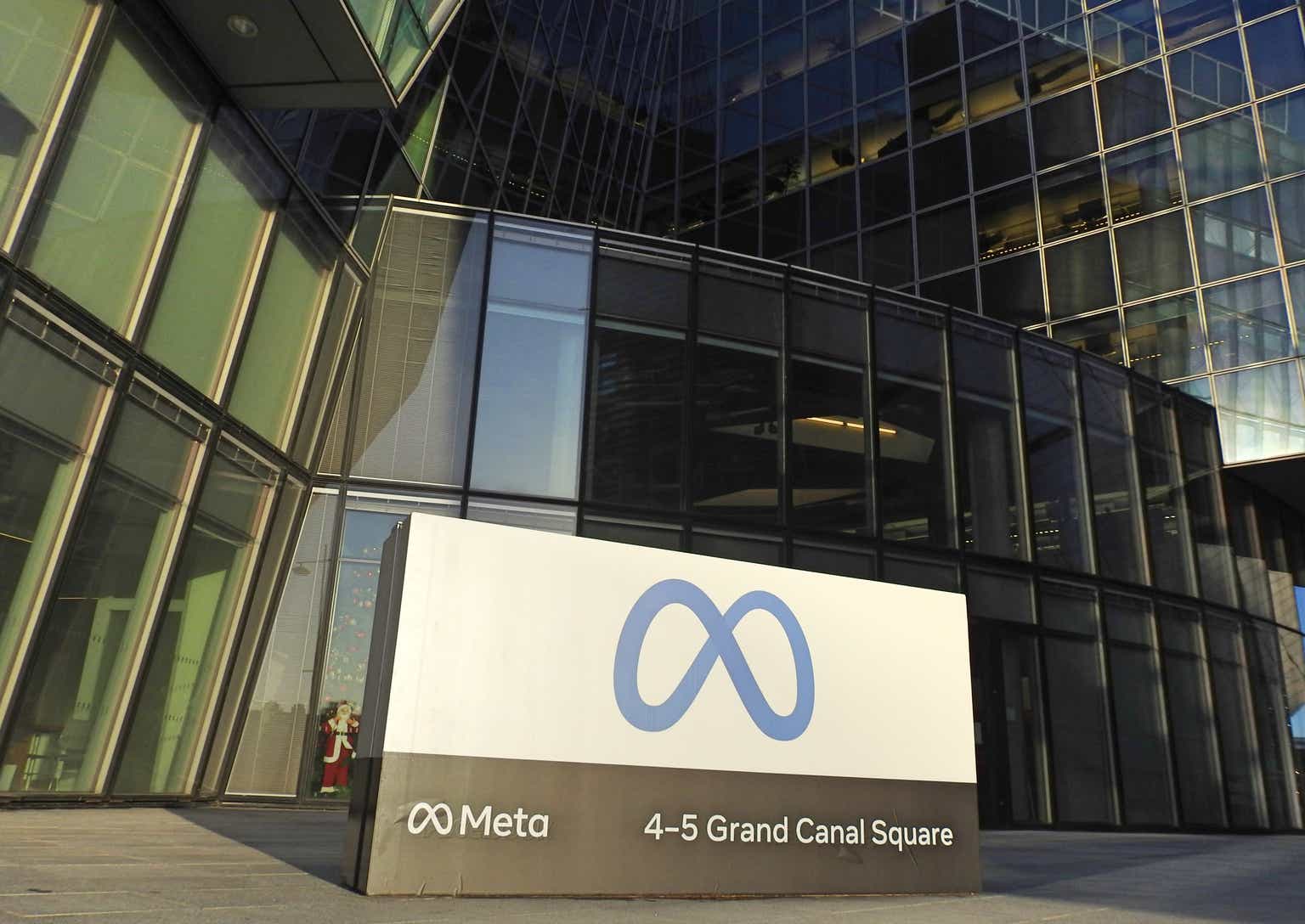
In the volatile world of tech stocks, investor sentiment can swing dramatically on the slightest breeze. So it was on May 1, 2026, when Meta Platforms, Inc. (META) announced its Q1 2026 earnings. While the immediate market reaction saw a dip in its stock price, a deeper, more nuanced analysis reveals a company not just weathering the storm, but strategically positioning itself for sustained future growth. For many seasoned shareholders and industry observers, the initial market jitters obscure a fundamentally strong performance, leaving them with "nothing to complain about." This piece delves into the intricacies of Meta's latest financial report, dissecting its strategic moves and offering a forward-looking perspective on its trajectory.
Unpacking the Q1 2026 Financials: Beyond the Headlines
The immediate headline following Meta's Q1 2026 earnings was often focused on the slight post-announcement stock decline. However, a closer look at the actual financial figures paints a far more optimistic picture. Revenue growth, while perhaps not reaching the most ambitious analyst projections, demonstrated consistent upward momentum across its core advertising business. User engagement metrics, crucial for a platform like Meta, showed healthy expansion across its family of apps – Facebook, Instagram, WhatsApp, and Messenger. This sustained engagement underscores the enduring power and reach of Meta's platforms, which continue to be indispensable tools for billions worldwide.
Profitability, a key concern for investors, remained robust. Meta's ability to manage costs effectively while continuing to invest heavily in future technologies is a testament to its operational discipline. The company reported strong free cash flow, indicating a healthy financial position that allows for both shareholder returns and strategic capital allocation. These underlying financial strengths often get overshadowed by short-term market reactions, which can be influenced by broader macroeconomic trends or specific analyst expectations rather than the fundamental health of the company itself.
The Metaverse Bet: Long-Term Vision vs. Short-Term Costs
One of the most significant narratives surrounding Meta continues to be its ambitious, multi-billion-dollar investment in the metaverse. Reality Labs, the division responsible for developing Meta's virtual and augmented reality hardware and software, continued to incur substantial operating losses in Q1 2026. This is not unexpected; CEO Mark Zuckerberg has consistently communicated that the metaverse is a long-term play, requiring significant upfront capital and years of development before it can become a substantial revenue driver. Critics often point to these losses as a drag on Meta's immediate profitability.
However, for those with a long-term perspective, these investments are seen as crucial for securing Meta's future relevance in an evolving digital landscape. The company is not merely dabbling in VR; it is attempting to build the next iteration of the internet. Recent advancements in Quest headset sales and the growing developer ecosystem around its Horizon Worlds platform suggest that while nascent, the metaverse vision is slowly taking shape. These investments are not just about hardware; they encompass AI research, haptic technology, and advanced spatial computing – foundational elements that could redefine how we interact with digital content and each other. Shareholders who understand and believe in this vision see the current expenditure as a necessary cost for potentially transformative future returns.
Advertising Dominance and Evolving Strategies
Despite the metaverse buzz, Meta's bread and butter remains its advertising business. The Q1 2026 report confirmed its continued dominance in the digital ad space. The company has shown remarkable adaptability in navigating privacy changes (like Apple's ATT) and evolving advertising trends. Its AI-powered ad delivery systems are becoming increasingly sophisticated, allowing advertisers to reach target audiences with unprecedented precision. This technological edge ensures that Meta remains a preferred platform for businesses of all sizes seeking to connect with consumers.
Furthermore, Meta's strategic focus on Reels, its short-form video product, has begun to pay dividends. While initially a drag on revenue due to lower monetization rates compared to other formats, the Q1 2026 results indicated significant progress in closing that gap. This demonstrates Meta's ability to successfully pivot and adapt its core offerings to compete with emerging trends, such as the rise of TikTok. The integration of AI into content recommendations and ad placements across all its platforms is a continuous effort that strengthens its competitive moat and ensures sustained ad revenue growth.
Regulatory Landscape and Competitive Pressures
No discussion of Meta is complete without acknowledging the persistent regulatory scrutiny and competitive pressures it faces. From antitrust concerns in the US and Europe to data privacy regulations globally, Meta operates in a complex and often challenging environment. The Q1 2026 earnings call likely touched upon these issues, with management reiterating its commitment to responsible innovation and compliance. While these factors represent ongoing risks, Meta has demonstrated a capacity to adapt and navigate these challenges, often by investing heavily in legal and compliance teams and proactively engaging with policymakers.
Competition, particularly from TikTok in the short-form video space and from other tech giants in AI and metaverse development, remains fierce. However, Meta's vast user base, its established advertising infrastructure, and its deep pockets for R&D provide significant advantages. The company's ability to attract and retain top talent in AI and engineering is also a critical factor in maintaining its competitive edge. The Q1 results, when viewed through this lens, suggest that Meta is not just surviving but thriving amidst these pressures, continuing to innovate and expand its influence.
The Long View: Why Shareholders Remain Optimistic
For many shareholders, the Q1 2026 earnings report, despite the immediate market reaction, reinforces a long-term bullish thesis for Meta. The company is executing a dual strategy: optimizing its highly profitable core business while simultaneously investing aggressively in the next frontier of computing. This approach, while potentially leading to short-term volatility, positions Meta for substantial growth over the next decade.
The sheer scale of Meta's user base, its unparalleled data insights, and its continuous innovation in AI and advertising technology provide a robust foundation. The metaverse, while still in its infancy, represents a multi-trillion-dollar opportunity that Meta is uniquely positioned to capture. As the digital world continues to evolve, Meta's strategic foresight and willingness to make bold, long-term investments are precisely what differentiate it. For those who understand this vision and have the patience to see it through, the Q1 2026 results offer little to complain about, instead providing further evidence of a company building for a dominant future. The journey may be bumpy, but the destination, for many, remains incredibly promising.
Stay Informed
Get the world's most important stories delivered to your inbox.
No spam, unsubscribe anytime.
Comments
No comments yet. Be the first to share your thoughts!