Micro RGB: Samsung's Bold Bet to Redefine TV Color and Affordability
Samsung is shaking up the television market with its new Micro RGB technology, promising unprecedented color depth and brightness at prices comparable to high-end OLEDs. This innovation challenges established display norms, offering consumers a vibrant alternative that could redefine home entertainment. We delve into the technology, its market implications, and what it means for the future of visual experiences.
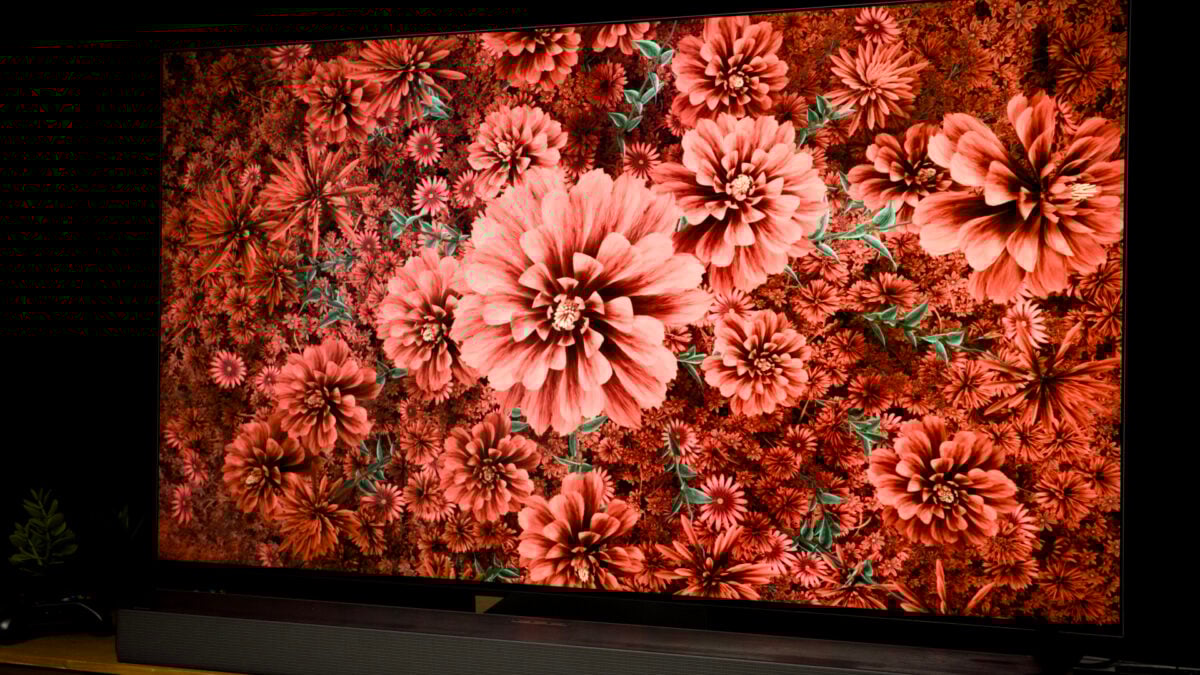
For decades, the quest for the perfect television display has been a relentless pursuit, marked by technological leaps from CRT to Plasma, LCD, and most recently, OLED. Each iteration promised better blacks, brighter whites, and a more immersive viewing experience. Now, a new contender is emerging from the labs of Samsung, poised to potentially disrupt the landscape once more: Micro RGB. This groundbreaking technology, distinct from its MicroLED cousin, is being introduced at a price point that makes it a viable, albeit premium, alternative to the reigning OLED champions. But is this vibrant new kid on the block truly the future, or just another fleeting trend in the ever-evolving world of consumer electronics?
The Dawn of a New Display Era: What is Micro RGB?
At its core, Micro RGB represents a significant evolution in display technology. While often conflated with MicroLED, it's crucial to understand the distinction. MicroLED screens use microscopic, self-emissive inorganic LEDs for each individual pixel, offering perfect blacks, incredible brightness, and no burn-in risks, but they have historically been prohibitively expensive, reserved for ultra-luxury installations. Micro RGB, as Samsung is positioning it, appears to be a more accessible variant, leveraging the same fundamental principles of direct-emissive inorganic LEDs but likely with a different manufacturing process or pixel structure that allows for greater cost efficiency. The 'RGB' in its name emphasizes its direct use of red, green, and blue sub-pixels to create a full-color image, bypassing the need for backlights or color filters seen in traditional LCDs, and offering a distinct advantage over OLEDs, which use organic materials that can degrade over time.
The promise of Micro RGB is nothing short of spectacular: unrivaled color volume, exceptional brightness, and infinite contrast ratios, all without the concerns of burn-in that have plagued OLED technology. Imagine a sunset on your screen that mirrors the intensity of the real thing, or the subtle nuances in a dark scene rendered with absolute clarity. This technology aims to deliver a visual fidelity that pushes the boundaries of what consumers have come to expect from their home entertainment systems. Early reports suggest that the color reproduction is so expansive, it might even be 'too much' for some, hinting at a vibrancy that could redefine visual standards.
Samsung's Strategic Play: Affordability Meets Innovation
Samsung's entry into the Micro RGB market with models priced comparably to its high-end OLED offerings is a calculated and aggressive move. For years, OLED, pioneered by LG Display, has held the crown for picture quality, particularly in contrast and black levels. Samsung, while producing its own QD-OLED panels, has also been a major proponent of QLED (Quantum Dot LED LCD), which uses quantum dots to enhance color and brightness in traditional LCD panels. The introduction of Micro RGB at a competitive price point signals a direct challenge to OLED's dominance and a strategic diversification of Samsung's premium display portfolio.
Historically, new display technologies have entered the market at astronomical prices, slowly trickling down to mainstream consumers. Think of the early plasma TVs or even the first 4K LCDs. MicroLED, in its purest form, still largely adheres to this model, with modular screens costing hundreds of thousands of dollars. Samsung's ability to bring Micro RGB to a price bracket accessible to affluent consumers – those already considering a top-tier OLED – is a testament to advancements in manufacturing processes and economies of scale. This move could accelerate the adoption of direct-emissive LED technology in the consumer space, bypassing the slow, gradual price drops typically associated with such innovations.
The Technical Edge: Why Micro RGB Could Be a Game Changer
Let's delve deeper into the technical advantages that Micro RGB brings to the table. Unlike OLED, which uses organic compounds that can degrade over time, leading to potential burn-in issues (though significantly mitigated in modern panels), Micro RGB utilizes inorganic LEDs. This inherently translates to greater longevity and resistance to image retention, making it an attractive option for users who frequently display static content, such as gamers or those who leave news channels on for extended periods.
Furthermore, the brightness capabilities of Micro RGB are expected to far exceed those of OLED. While OLED excels in perfect blacks due to its self-emissive nature, its peak brightness can be limited. Micro RGB, with its inorganic LEDs, can achieve significantly higher luminance levels, which is crucial for HDR (High Dynamic Range) content. Brighter highlights, combined with deep blacks, create a more impactful and realistic viewing experience, especially in well-lit environments where OLEDs can sometimes struggle with reflections and overall perceived contrast. The expanded color volume, a direct result of these brighter, purer light sources, means a wider array of colors can be accurately reproduced, leading to a more vibrant and lifelike image.
* Key Advantages of Micro RGB: * Superior Brightness: Outshines OLED for HDR content and bright rooms. * Infinite Contrast: Each pixel is self-emissive, offering true blacks. * No Burn-in Risk: Inorganic LEDs ensure greater longevity and stability. * Exceptional Color Volume: Wider and more accurate color reproduction. * Energy Efficiency Potential: Direct light emission can be more efficient than backlit LCDs.
Implications for the Consumer and the Future of Displays
For the average consumer, the arrival of Micro RGB means more choice and, ultimately, better picture quality across the board. The competition between Micro RGB and OLED will likely drive innovation and price reductions in both camps. Consumers will need to weigh the benefits: the established, cinematic quality of OLED versus the potentially brighter, more durable, and vibrant experience of Micro RGB.
This development also has broader implications for the display industry. If Samsung succeeds in making Micro RGB a mainstream premium option, it could accelerate the shift away from LCD technology, even in its advanced QLED forms. It also puts pressure on LG and other OLED manufacturers to further innovate in areas like brightness and longevity. The long-term vision could see Micro RGB technology scaling down to smaller devices, from smartphones to wearables, though that remains a distant prospect given the current pixel densities and manufacturing complexities.
The initial reception to Micro RGB will be critical. While the technical specifications are impressive, the real test will be in real-world performance, user experience, and how well Samsung communicates its unique value proposition. Will the 'too much color' aspect be a feature or a flaw for discerning viewers? Will the perceived benefits outweigh the premium price tag?
The Road Ahead: A Vibrant, Competitive Landscape
As PulseWorld looks to the future, the television market is shaping up to be more dynamic and competitive than ever. Samsung's Micro RGB is not just another product launch; it's a statement of intent, a bold declaration that the pinnacle of display technology is still being defined. While OLED has enjoyed a well-deserved reign, Micro RGB offers a fresh perspective, promising a visual feast that could captivate a new generation of viewers.
The next few years will be fascinating to watch as these technologies mature and battle for supremacy in our living rooms. Consumers stand to benefit immensely from this innovation arms race, gaining access to displays that push the boundaries of realism and immersion. Whether Micro RGB ultimately becomes the dominant force or simply a strong contender, its introduction marks an exciting new chapter in the relentless pursuit of visual perfection, proving that in the world of displays, the future is always brighter, and perhaps, a little more colorful.
Stay Informed
Get the world's most important stories delivered to your inbox.
No spam, unsubscribe anytime.
Comments
No comments yet. Be the first to share your thoughts!