Microsoft Unearths Digital History: The Open-Sourcing of 86-DOS and PC-DOS
Microsoft has opened the digital archives, releasing the source code for 86-DOS 1.00 and PC-DOS 1.0, 2.0, and 4.0. This move offers an unprecedented look into the foundational software that shaped the personal computing revolution. It's a treasure trove for retro computing enthusiasts and historians, revealing the early days of operating system development, from handwritten notes to printout repositories. This initiative underscores Microsoft's commitment to preserving computing history and fostering community engagement.
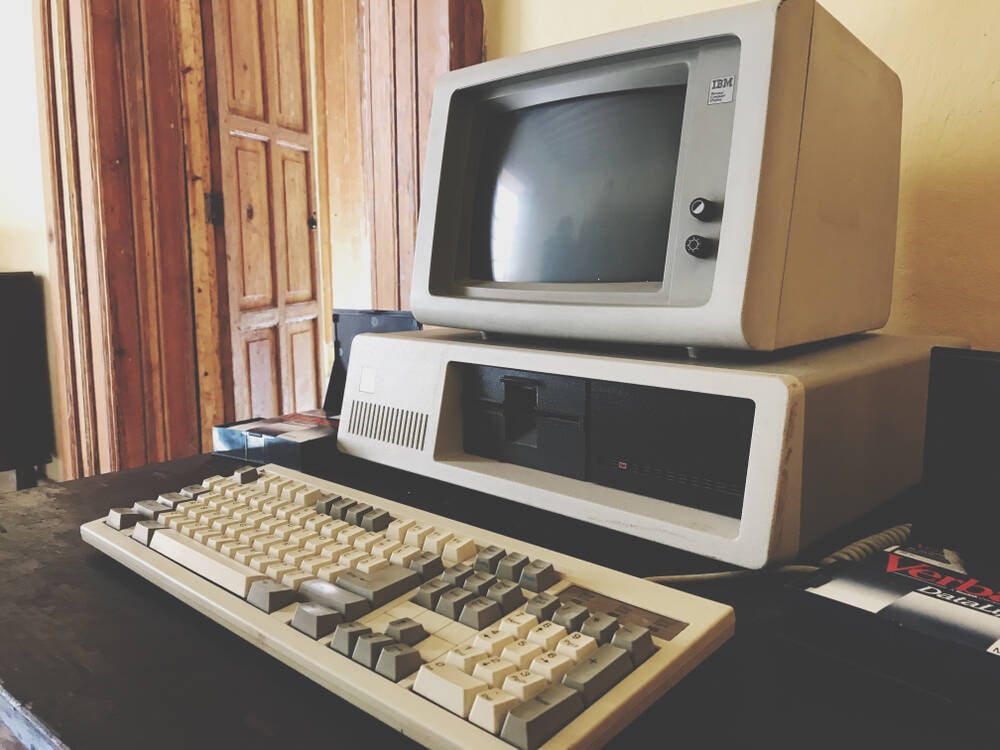
In an era dominated by artificial intelligence, cloud computing, and quantum aspirations, Microsoft has made a surprising yet profoundly significant move: it has delved into its own digital archaeology, unearthing and open-sourcing the foundational code for 86-DOS 1.00 and PC-DOS versions 1.0, 2.0, and 4.0. This isn't merely a nostalgic trip; it's a monumental release that offers an unparalleled glimpse into the very genesis of personal computing, revealing the intricate, often hand-crafted beginnings of the software that powered the IBM PC and, by extension, the modern computing world. For retro enthusiasts, historians, and software archaeologists, this is akin to discovering the Rosetta Stone of operating systems, providing context and understanding to the digital languages that defined an epoch. The release, coming a year after similar efforts with MS-DOS, solidifies Microsoft's commitment to preserving its legacy and fostering a deeper connection with the open-source community.
The Dawn of an Era: From 86-DOS to PC-DOS
The story of 86-DOS, originally known as QDOS (Quick and Dirty Operating System), is one of rapid innovation and pivotal moments. Developed by Tim Paterson at Seattle Computer Products (SCP) in 1980, it was designed to run on SCP's 8086-based S-100 bus computer. The legend goes that IBM, seeking an operating system for its forthcoming Personal Computer, approached Microsoft. Microsoft, in turn, acquired 86-DOS from SCP, famously paying around $50,000, and rebranded it as PC-DOS. This acquisition was a stroke of genius, or perhaps sheer luck, that would forever alter the trajectory of both companies and the nascent computer industry. The initial release, PC-DOS 1.0, was the operating system that shipped with the original IBM PC in August 1981, marking the true beginning of the personal computer revolution.
The newly released source code for 86-DOS 1.00 allows researchers and enthusiasts to examine the direct predecessor to PC-DOS. It showcases the raw, unrefined brilliance of early OS development, where every byte counted, and optimization was a matter of survival. The move to open-source PC-DOS 1.0, 2.0, and 4.0 further illustrates the evolution of this critical software. PC-DOS 2.0, released in 1983, introduced support for hard drives and a hierarchical file system, transforming how users interacted with their machines. PC-DOS 4.0, from 1988, brought a graphical shell called the DOS Shell, attempting to make the command-line interface more user-friendly, a precursor to the graphical interfaces that would eventually dominate computing.
A Glimpse into Early Software Engineering
What makes this release particularly fascinating is not just the code itself, but the accompanying historical context. The source description mentions a time when source repositories were printouts and commits were hand-written notes. This paints a vivid picture of early software engineering – a stark contrast to today's sophisticated version control systems like Git and collaborative platforms. Imagine debugging a program by poring over reams of paper, or tracking changes with pen and ink. This manual, meticulous process underscores the incredible skill and dedication of the early pioneers who built the digital world from the ground up.
The source code itself is written predominantly in assembly language, a low-level programming language that interacts directly with the computer's hardware. Studying this code offers invaluable insights into how operating systems were constructed with severe memory and processing constraints. It reveals clever tricks and optimizations that were necessary to make powerful machines out of relatively humble hardware. For computer science students, it’s a living textbook on fundamental OS principles, memory management, and hardware interaction, stripped down to its essential components. It's a testament to the ingenuity required when resources were scarce and every instruction had to be precisely crafted.
Implications for Retro Computing and Education
The open-sourcing of these historical operating systems has significant implications across several domains. For the retro computing community, it's a dream come true. Enthusiasts can now delve into the original code, understand its inner workings, and potentially even modify or extend these systems. This could lead to new emulators, improved compatibility layers, or even entirely new projects built upon these venerable foundations. It breathes new life into vintage hardware and software, fostering a vibrant ecosystem of preservation and innovation.
From an educational standpoint, this release is a goldmine. Universities and educational institutions can use this authentic source code to teach operating system design, computer architecture, and the history of computing. Students can trace the evolution of concepts like file systems, memory management, and device drivers from their earliest implementations. It provides a tangible link to the past, helping future generations appreciate the journey of computing and the foundational work upon which today's complex systems are built. It also offers a unique opportunity to understand the challenges faced by early developers and the solutions they devised.
Microsoft's Evolving Relationship with Open Source
Microsoft's journey with open source has been a long and often contentious one. Once famously labeling Linux as a 'cancer,' the company has undergone a remarkable transformation under Satya Nadella's leadership. Today, Microsoft is a significant contributor to open-source projects, embracing platforms like GitHub and releasing key technologies under open licenses. This latest move to open-source 86-DOS and PC-DOS is another strong indicator of this shift, demonstrating a commitment not just to current open-source initiatives but also to the historical preservation of its own intellectual property for the benefit of the broader community.
This initiative aligns with a broader trend of companies and organizations recognizing the value of preserving digital heritage. Just as physical artifacts are safeguarded in museums, software source code represents an invaluable cultural and technological artifact. By making these foundational operating systems publicly available, Microsoft is not only giving back to the community but also ensuring that a critical piece of computing history is accessible for future study, innovation, and appreciation. It solidifies their position as a steward of technological history, fostering goodwill and demonstrating a mature understanding of their role in the digital ecosystem.
Looking Forward: The Legacy Continues
The open-sourcing of 86-DOS and PC-DOS is more than just a historical footnote; it's a bridge between the past and the future. It reminds us that today's sophisticated operating systems, with their gigabytes of code and myriad features, stand on the shoulders of these early, lean, and incredibly efficient predecessors. It underscores the iterative nature of technological progress and the enduring principles of software design that remain relevant even after decades.
As developers and enthusiasts pore over these lines of assembly code, they will not only uncover the secrets of early computing but also gain a deeper appreciation for the craft of programming. This act of digital preservation by Microsoft ensures that the legacy of these pioneering operating systems will continue to inspire, educate, and inform generations to come, proving that sometimes, looking back is the best way to understand where we're going. It's a powerful statement about the value of transparency, community, and the enduring power of code.
Stay Informed
Get the world's most important stories delivered to your inbox.
No spam, unsubscribe anytime.
Comments
No comments yet. Be the first to share your thoughts!