Microsoft Unveils Next-Gen Surface Laptops and Pro: A New Era for AI PCs
Microsoft has officially launched its latest lineup of Surface devices, including updated Surface Pro and Surface Laptop models. These new machines are powered by cutting-edge Intel Core Ultra Series 3 and Snapdragon X2 chips, signaling a significant leap into the AI PC era. The refresh focuses on enhanced performance, extended battery life, and integrated AI capabilities, aiming to redefine productivity and user experience for professionals and everyday users alike. This release marks Microsoft's strategic push to lead the market in intelligent computing.
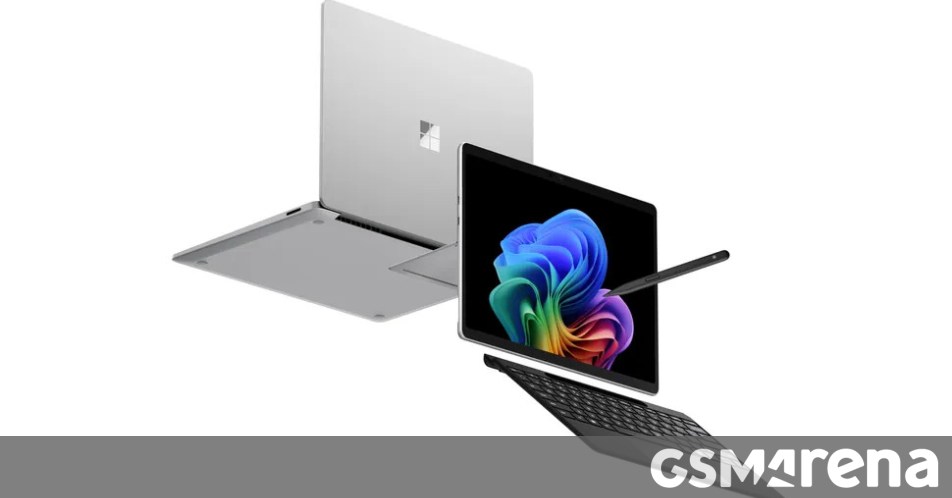
In a move poised to reshape the landscape of personal computing, Microsoft has officially pulled back the curtain on its highly anticipated next-generation Surface devices. The tech giant's latest offerings, encompassing refreshed versions of the Surface Pro 13, Surface Laptop 13-inch, Surface Laptop 13.8-inch, and Surface Laptop 15-inch, are not merely incremental updates. They represent a strategic pivot towards a new era of AI PCs, driven by the formidable power of Intel's Core Ultra Series 3 chips and, notably, Qualcomm's Snapdragon X2-powered variants. This launch underscores Microsoft's ambition to integrate artificial intelligence deeply into the core of its hardware, promising unparalleled performance, efficiency, and a truly intelligent user experience. For years, the Surface line has been synonymous with premium design and a seamless Windows experience, often setting the benchmark for hybrid devices and sleek laptops. This latest iteration, however, aims to do more than just refine; it seeks to redefine what a personal computer can be in an increasingly AI-driven world.
The Dawn of the AI PC: Hardware Innovations at the Core
The most significant upgrade across the new Surface lineup lies beneath the hood. Microsoft is offering configurations featuring the recently released Intel Core Ultra Series 3 processors, known for their integrated Neural Processing Units (NPUs). These NPUs are dedicated AI accelerators, designed to handle AI workloads directly on the device, rather than relying solely on cloud-based processing. This shift is crucial for enhancing privacy, reducing latency, and enabling AI features even when offline. For instance, tasks like real-time background blurring in video calls, advanced noise cancellation, and intelligent content creation can now be executed with remarkable efficiency and speed, freeing up the main CPU for other demanding applications.
Beyond Intel, Microsoft is also introducing Snapdragon X2-powered variants, marking a significant commitment to ARM-based architecture for its flagship devices. Qualcomm's Snapdragon X series chips have been lauded for their exceptional power efficiency and robust AI capabilities, often outperforming traditional x86 counterparts in specific benchmarks, especially regarding battery life. This dual-chip strategy allows Microsoft to cater to different user priorities: Intel for those who prioritize raw computational power and broad software compatibility, and Snapdragon for users who value extreme portability, always-on connectivity, and multi-day battery life. The inclusion of these advanced processors ensures that the new Surface devices are not just capable of running AI applications but are optimized to excel at them, paving the way for a new generation of software experiences.
Design Refinements and User Experience Enhancements
While the internal components steal the show, Microsoft has also paid meticulous attention to the external design and overall user experience. The Surface Pro 13, known for its versatility as a 2-in-1 device, reportedly features a brighter, more vibrant display and improved haptic feedback for its detachable keyboard. The Surface Laptop series, celebrated for its premium build and comfortable typing experience, receives subtle but impactful refinements to its chassis, potentially offering thinner bezels and enhanced thermal management. These design tweaks are not merely aesthetic; they contribute to a more immersive and comfortable user interaction, crucial for professionals spending hours on their devices.
Furthermore, the integration of AI extends beyond raw processing power to touch the everyday interactions. Features like Windows Studio Effects, which leverage the NPU for enhanced camera and audio capabilities, will likely see significant improvements. Imagine perfectly framed video calls, automatic eye contact correction, and crystal-clear audio, all processed on-device. The new devices are also expected to come pre-loaded with enhanced versions of Microsoft's suite of AI tools, including deeper integration with Copilot, the AI assistant designed to boost productivity across Windows and Microsoft 365 applications. This means more intelligent search, smarter document creation, and personalized recommendations, making the OS feel more intuitive and responsive than ever before.
Market Implications and Competitive Landscape
Microsoft's aggressive push into the AI PC market with its new Surface lineup sends a clear signal to competitors like Apple, HP, and Dell. Apple, with its M-series chips, has already demonstrated the power of custom silicon and integrated AI, setting a high bar for performance and efficiency. Microsoft's dual-pronged approach with Intel and Snapdragon aims to compete directly in this high-performance, high-efficiency segment. The focus on on-device AI processing is a critical differentiator, offering benefits that cloud-based AI cannot fully replicate, particularly in terms of privacy and offline functionality.
According to recent market analysis, the demand for AI-enabled hardware is projected to grow exponentially over the next five years, with some estimates suggesting that AI PCs could constitute a significant portion of the total PC market by 2027. Microsoft, as both an operating system developer and a hardware manufacturer, is uniquely positioned to capitalize on this trend. By tightly integrating hardware and software, the company can deliver optimized experiences that are difficult for competitors to match. This launch is not just about selling new laptops; it's about establishing Windows and Surface as the definitive platform for the next generation of intelligent computing, potentially driving a new upgrade cycle for consumers and businesses alike.
The Future of Productivity: Beyond the Benchmark
The true impact of these new Surface devices will extend beyond raw benchmark scores and technical specifications. It lies in their potential to fundamentally alter how we interact with our computers and how we define productivity. With powerful NPUs handling complex AI tasks locally, users can expect a more seamless, responsive, and personalized computing experience. Imagine a laptop that can anticipate your needs, intelligently organize your files, and assist with creative tasks with unprecedented ease. For professionals, this could mean faster data analysis, more efficient content creation, and a significant reduction in time spent on mundane tasks. For students, it could unlock new ways of learning and research. The promise is a computer that is not just a tool but an intelligent partner.
Microsoft's commitment to both Intel and ARM architectures also signifies a broader vision for the future of computing – one that embraces diversity in silicon to meet a wider range of user demands. This flexibility ensures that the Surface ecosystem remains robust and adaptable, capable of evolving with future technological advancements. As AI continues to mature and integrate into every facet of our digital lives, the new Surface devices are positioned to be at the forefront of this transformation, offering a glimpse into a future where our personal computers are truly intelligent companions, enhancing creativity, efficiency, and connection in ways we are only just beginning to imagine. This is not just an upgrade cycle; it's an invitation to experience the next chapter of personal computing.
Stay Informed
Get the world's most important stories delivered to your inbox.
No spam, unsubscribe anytime.
Comments
No comments yet. Be the first to share your thoughts!