Microsoft's 'Low Latency Profile': The Unsung Hero of Windows 11 Performance or a 'Lazy' Fix?
Microsoft's upcoming 'Low Latency Profile' for Windows 11 aims to significantly boost system responsiveness, but it's facing criticism from online trolls. A Microsoft VP defends the feature, explaining it's a sophisticated method to enhance user experience, not a shortcut. This deep dive explores the technology, its implications, and why modern OS design prioritizes perceived speed.
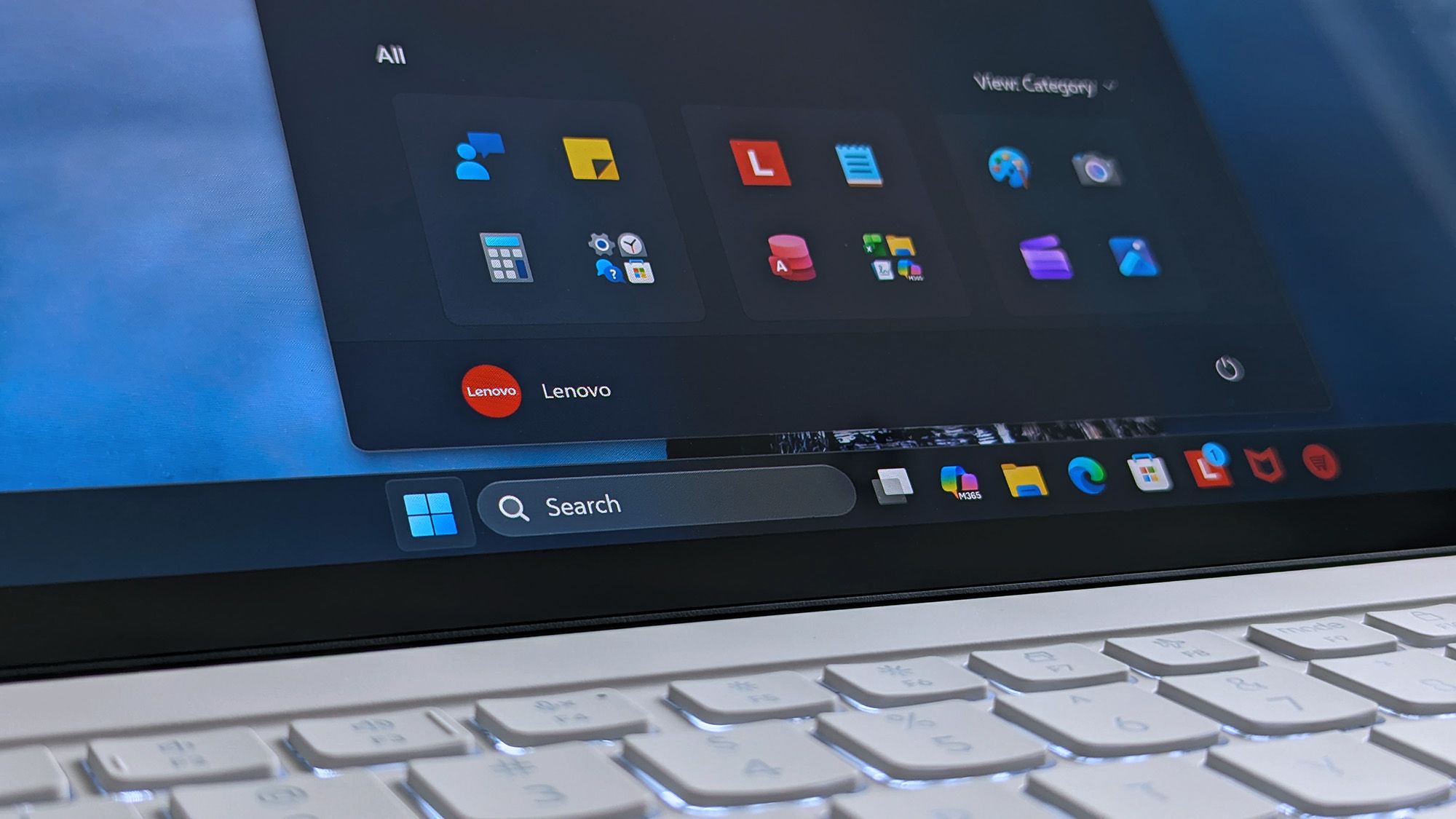
In the fast-paced world of technology, where every millisecond counts, Microsoft is once again at the forefront of innovation, albeit one that has sparked a surprising amount of controversy. The tech giant is poised to roll out a new feature for Windows 11, dubbed "Low Latency Profile," promising to dramatically accelerate application launches and system flyouts. While this sounds like an unmitigated win for user experience, a vocal segment of online critics has branded it as "lazy" and a mere illusion. However, a Microsoft Vice President has passionately defended the initiative, asserting that it's not "cheating" but rather a sophisticated approach to making modern systems feel fast.
This debate highlights a fundamental misunderstanding of how contemporary operating systems optimize performance and user perception. Is Microsoft merely papering over cracks, or are they genuinely pushing the boundaries of responsiveness? PulseWorld delves into the technical intricacies, user psychology, and industry trends shaping this crucial development.
The Promise of Instantaneous Interaction: What is Low Latency Profile?
At its core, the Low Latency Profile feature is designed to reduce the perceived delay between a user's action and the system's response. While the exact technical details remain under wraps, the general principle involves prioritizing certain processes and resources to ensure that visual elements, such as application windows, menus, and notifications, appear almost instantaneously. Think of it as a finely tuned orchestra where the conductor (Windows 11) ensures that the most critical instruments (UI elements) play their notes without a beat of hesitation.
Historically, operating systems have struggled with the inherent delays introduced by complex software stacks, hardware interactions, and background processes. Even with powerful processors and ample RAM, the journey from a mouse click to a fully rendered application window can involve numerous steps, each adding a tiny fraction of a second. These cumulative delays, though individually imperceptible, contribute to a general feeling of sluggishness. Microsoft's solution likely involves a combination of techniques:
* Resource Prioritization: Elevating the priority of UI rendering tasks over less time-sensitive background operations. * Predictive Pre-loading: Anticipating user actions and pre-loading necessary assets or code segments. * Optimized Rendering Pipelines: Streamlining the graphical rendering process to reduce overhead. * Hardware Acceleration: Leveraging modern GPU capabilities more effectively for UI elements.
This isn't a new concept in the tech world. Game developers have long employed similar tricks to maintain high frame rates and responsiveness, often rendering elements off-screen or using sophisticated culling techniques. The challenge for an operating system is to apply these principles broadly across a diverse range of applications and user scenarios without introducing instability or resource contention.
The 'Lazy' Accusation: Misunderstanding Modern OS Design
The "lazy" accusation leveled by some online commentators stems from a perception that Microsoft is not genuinely improving underlying system performance but rather creating an illusion of speed. This perspective often overlooks the complex interplay between hardware, software, and human perception. As the Microsoft VP rightly pointed out, "It's not cheating; this is how modern systems make apps feel fast." This statement encapsulates a critical shift in software development philosophy.
For decades, raw benchmark numbers were the gold standard for performance. A faster clock speed, more RAM, or higher IPC (instructions per cycle) directly translated to better performance. While these metrics are still important, the user experience has become paramount. A system that feels fast, even if its raw benchmarks aren't astronomically higher, often provides a more satisfying experience. This is where perceived performance comes into play.
Consider the analogy of a high-end sports car. Its acceleration isn't just about raw horsepower; it's also about how quickly the power is delivered to the wheels, the responsiveness of the steering, and the immediate feedback to the driver. Similarly, a modern OS aims for immediate feedback, minimal visual lag, and smooth transitions. Apple's iOS and macOS have long been lauded for their fluid interfaces, often achieving this not just through brute force hardware but through meticulous optimization of UI responsiveness and animation timings. The "Apple does this and you love it" comment from the Microsoft VP is a direct nod to this successful strategy.
The Psychology of Speed: Why Perception Matters More Than Raw Numbers
Human perception of time is subjective. Delays of even a few hundred milliseconds can be noticeable and frustrating. Studies in human-computer interaction have consistently shown that users perceive systems as more efficient and enjoyable when their actions are met with immediate feedback. A delay of just 100 milliseconds can make an interaction feel less instantaneous, while delays exceeding 1 second can lead to users losing their train of thought or abandoning a task altogether.
Microsoft's Low Latency Profile directly addresses this psychological aspect. By ensuring that visual feedback is nearly instantaneous, the system reduces cognitive load and enhances the feeling of control. This isn't about faking performance; it's about optimizing the delivery of information to the user in a way that aligns with human cognitive processing. It's a strategic move to improve the overall user experience (UX), which is increasingly recognized as a key differentiator in the competitive tech landscape.
Furthermore, in an era where users juggle multiple applications, switch between virtual desktops, and interact with complex UIs, the cumulative effect of small delays can significantly degrade productivity and satisfaction. A feature that makes every single interaction feel snappier has a profound impact on the daily workflow of millions.
Implications for the Future of Windows and Beyond
The introduction of the Low Latency Profile is more than just a minor update; it signals a broader strategic direction for Microsoft. It indicates a commitment to refining the core user experience of Windows 11, moving beyond just aesthetic redesigns to fundamental improvements in responsiveness. This focus on perceived performance could have several far-reaching implications:
* Enhanced Competitiveness: By closing the perceived performance gap with rivals like macOS, Windows 11 becomes a more attractive option for users who prioritize fluid interfaces. * Developer Opportunities: A more responsive base OS provides a better foundation for developers to build high-performance applications, especially in areas like gaming, creative design, and virtual reality. * Hardware Synergy: This feature will likely work best with modern hardware, encouraging users to upgrade and driving innovation in CPU and GPU design. * Accessibility: A snappier interface can also improve accessibility for users who rely on assistive technologies, as reduced latency can make interactions smoother and less frustrating.
Looking ahead, we can expect to see more such optimizations across operating systems. The trend is clear: software will continue to evolve to meet human cognitive demands, prioritizing immediate feedback and seamless interaction. The line between "real" and "perceived" performance will blur further, as engineers master the art of making complex systems feel effortless.
Conclusion: A Step Towards a More Intuitive Digital Experience
Microsoft's Low Latency Profile, far from being a lazy fix, represents a sophisticated engineering effort to enhance the fundamental user experience of Windows 11. It's a testament to the idea that true performance isn't just about raw processing power, but also about how effectively that power is translated into a responsive and intuitive interaction for the user. By understanding the psychology of speed and leveraging advanced optimization techniques, Microsoft is not merely making Windows 11 faster; it's making it feel more natural, more immediate, and ultimately, more enjoyable to use.
As technology continues to integrate deeper into our daily lives, the pursuit of seamless, low-latency interactions will only intensify. The debate surrounding this feature serves as a valuable reminder that innovation often lies not in revolutionary breakthroughs, but in the meticulous refinement of existing paradigms to better serve the human element. Windows 11's Low Latency Profile is a significant step in that direction, promising a future where our digital tools respond with the immediacy of our thoughts.
Stay Informed
Get the world's most important stories delivered to your inbox.
No spam, unsubscribe anytime.
Comments
No comments yet. Be the first to share your thoughts!