Middle East Tensions Escalate: Ceasefire Extended, US Navy on High Alert in Hormuz
The fragile peace in the Middle East faces renewed challenges as a ceasefire between Israel and Lebanon is extended, while US-Iran tensions flare with President Trump's 'shoot and kill' order regarding minelayers in the Strait of Hormuz. This article delves into the complex geopolitical landscape, examining the implications of these developments for regional stability and global energy markets. We explore the historical context of these flashpoints and analyze expert perspectives on potential pathways forward.
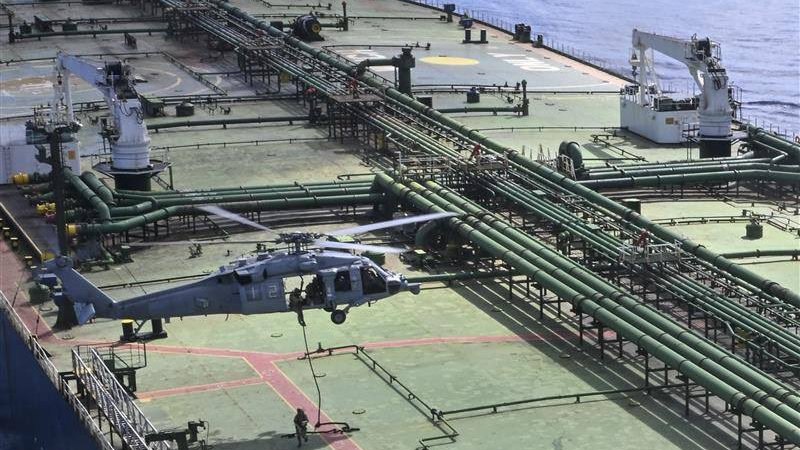
In a region perpetually on the brink, recent developments have once again cast a long shadow over the Middle East, highlighting the precarious balance of power and the ever-present threat of wider conflict. While a fragile ceasefire between Israel and Lebanon has been extended by three weeks, offering a glimmer of hope for de-escalation on one front, tensions between the United States and Iran have dramatically escalated. President Donald Trump's stark directive to the US Navy to “shoot and kill” Iranian minelayers in the Strait of Hormuz, coupled with reports of US forces boarding an oil tanker, signals a dangerous tightening of the geopolitical screws in a waterway critical to global energy supplies. This intricate dance of diplomacy and deterrence demands a comprehensive examination of its historical roots, immediate implications, and potential future trajectories.
A Fragile Peace: Israel, Lebanon, and the Shadow of Conflict
The extension of the ceasefire between Israel and Lebanon, while a welcome development, underscores the deep-seated animosities and unresolved issues that plague their shared border. The conflict, often characterized by cross-border skirmishes and the presence of non-state actors like Hezbollah, is a microcosm of the region's broader instability. For decades, the two nations have been locked in a cycle of violence and uneasy truces, with each escalation threatening to draw in regional and international powers. The current extension provides a temporary reprieve, allowing for continued negotiations or at least a pause in hostilities, but it does little to address the underlying causes of friction. Analysts suggest that the involvement of international mediators has been crucial in maintaining this fragile peace, yet the long-term prospects remain uncertain. The humanitarian cost of these conflicts is immense, with countless lives lost, infrastructure destroyed, and populations displaced. The international community watches with bated breath, understanding that any misstep could ignite a conflagration with far-reaching consequences.
The Strait of Hormuz: A Geopolitical Chokepoint on Edge
The Strait of Hormuz is not merely a geographical feature; it is the world's most important oil transit chokepoint, through which approximately 21 million barrels of oil, or roughly 21% of global petroleum liquids consumption, pass daily. Its strategic importance makes any threat to its navigability a global concern, impacting energy prices, international trade, and geopolitical stability. President Trump's order to the US Navy to “shoot and kill” Iranian vessels attempting to harass US ships or lay mines in the Strait is a significant escalation of rhetoric and a clear warning shot. This directive follows a series of incidents, including alleged Iranian attacks on tankers and the seizure of foreign vessels, which have heightened fears of a direct confrontation. The US maintains a significant naval presence in the region, including the Fifth Fleet, specifically to ensure the free flow of commerce. The implicit message from Washington is that any disruption to this vital artery will be met with overwhelming force. This aggressive stance, while intended to deter, also carries the inherent risk of miscalculation, where a minor incident could rapidly spiral out of control.
US-Iran Tensions: A Decades-Long Standoff
The current heightened tensions between the United States and Iran are the latest chapter in a complex and often adversarial relationship spanning over four decades. Rooted in the 1979 Iranian Revolution, the hostage crisis, and subsequent US sanctions, the animosity has deepened over Iran's nuclear program, its support for regional proxies, and its ballistic missile development. The US withdrawal from the Joint Comprehensive Plan of Action (JCPOA) in 2018, followed by the re-imposition of crippling sanctions, further exacerbated the situation. Iran, in response, has gradually reduced its commitments under the nuclear deal and has engaged in what it perceives as defensive measures, including military exercises and the development of asymmetric warfare capabilities. The recent incidents in the Strait of Hormuz are a manifestation of this broader struggle, with Iran seeking to demonstrate its ability to disrupt global oil supplies as leverage against US pressure. The deployment of advanced weaponry by both sides, coupled with the rhetoric of 'maximum pressure' from Washington and 'resistance' from Tehran, creates a volatile environment where diplomatic solutions often seem elusive. The historical context reveals a pattern of brinkmanship, where both nations test the limits of the other's resolve, often with unpredictable outcomes.
Regional Implications and Global Repercussions
The escalating tensions between the US and Iran, alongside the enduring Israeli-Lebanese conflict, have profound implications for the entire Middle East and beyond. Regional allies of the US, such as Saudi Arabia and the UAE, are deeply concerned about the potential for conflict to disrupt their own security and economic stability. Conversely, Iran's allies and proxies, including various non-state actors, could be emboldened or drawn into any wider confrontation, further destabilizing countries like Iraq, Syria, and Yemen. The global economy, already grappling with supply chain disruptions and inflationary pressures, would be severely impacted by any sustained interruption to oil flows through the Strait of Hormuz. Oil prices would undoubtedly skyrocket, potentially triggering a global recession. Furthermore, the humanitarian crisis in the region, already dire in places like Yemen and Syria, would worsen considerably. The international community, including major powers like China and Russia, has a vested interest in de-escalation, yet finding common ground for mediation remains a significant challenge given the entrenched positions of the primary actors.
The Path Forward: Diplomacy, Deterrence, and De-escalation
Navigating this treacherous geopolitical landscape requires a delicate balance of diplomacy, deterrence, and de-escalation. While President Trump's 'shoot and kill' order signals a strong deterrent posture, it must be carefully managed to avoid unintended consequences. Channels for communication, even indirect ones, are crucial to prevent miscalculation. International efforts to revive the nuclear deal or negotiate a new, broader agreement with Iran could offer a pathway to reduce tensions, though this appears increasingly difficult given the current political climate in both Washington and Tehran. Regional dialogue, involving all stakeholders, is also essential to address the underlying security concerns that fuel these conflicts. For instance, a more comprehensive regional security framework that includes Iran could potentially foster greater stability. However, trust deficits run deep, and overcoming decades of animosity will require sustained, multilateral efforts. The alternative – a continued cycle of escalation – carries the unacceptable risk of a devastating regional war with global ramifications. The world watches, hoping that statesmanship will ultimately prevail over brinkmanship in this critical juncture for the Middle East.
Anzac Day and the Echoes of Sacrifice
While the immediate focus remains on the Middle East, it's worth noting the broader context of global security and the sacrifices made in the name of peace. The source material mentions Anzac Day, a poignant reminder of the debt owed to Australians who have gone to war. This annual commemoration, observed across Australia and New Zealand, honors the members of the Australian and New Zealand Army Corps (ANZAC) who fought at Gallipoli during World War I, and indeed all who have served. It serves as a powerful testament to the human cost of conflict and the enduring hope for a more peaceful world. The echoes of sacrifice on distant battlefields resonate today, urging leaders to seek diplomatic solutions and prevent further bloodshed. The lessons of history, particularly those learned through immense loss, should guide present-day decisions, emphasizing the imperative of peace over confrontation, especially in volatile regions like the Middle East.
Stay Informed
Get the world's most important stories delivered to your inbox.
No spam, unsubscribe anytime.
Comments
No comments yet. Be the first to share your thoughts!