Middle East Tensions Escalate: From Hostage Release to Hormuz Standoff
The volatile Middle East continues to be a focal point of global concern, marked by both diplomatic breakthroughs and alarming military posturing. An American journalist's release from captivity in Iraq offers a rare moment of relief amidst extended ceasefires in the Israel-Lebanon conflict. However, the region's fragile peace is severely tested by escalating US-Iran tensions, highlighted by a controversial 'shoot and kill' order concerning the Strait of Hormuz and recent naval actions against oil tankers.
The geopolitical landscape of the Middle East remains a complex tapestry of conflict, diplomacy, and high-stakes brinkmanship. In a rare moment of good news from a region often synonymous with turmoil, American journalist Shelly Kittleson, held hostage in Iraq, has been released. Her heartfelt gratitude, shared on X (formerly Twitter), underscored the immense efforts behind her freedom, a testament to the quiet, persistent work of diplomats and negotiators in a world frequently dominated by overt confrontation. This glimmer of hope, however, exists against a backdrop of persistent instability, from extended ceasefires in the Israel-Lebanon conflict to the alarming escalation of tensions in the Persian Gulf.
A Fragile Peace: Ceasefires and Hostage Diplomacy
The release of Shelly Kittleson from captivity in Iraq serves as a potent reminder of the human cost of regional conflicts and the enduring, albeit often difficult, role of diplomacy. While details surrounding her abduction and release remain largely undisclosed, her public acknowledgment highlights the intricate network of individuals and organizations dedicated to resolving such crises. Her case echoes numerous instances where journalists and aid workers become unintended pawns in larger geopolitical struggles, their freedom often secured through painstaking negotiations and back-channel communications. This event, while isolated, offers a brief respite from the relentless cycle of violence that has plagued Iraq for decades, a nation still grappling with the aftermath of foreign interventions, sectarian strife, and the enduring threat of extremist groups.
Simultaneously, the extension of the ceasefire between Israel and Lebanon by an additional three weeks signals a cautious optimism in another long-standing flashpoint. These ceasefires, often brokered by international mediators, are critical in preventing full-scale military engagements and allowing for humanitarian access. The Israel-Lebanon border has historically been a volatile frontier, marked by intermittent clashes involving Hezbollah and Israeli forces. While a temporary cessation of hostilities is always welcome, the underlying issues—territorial disputes, the presence of non-state armed actors, and regional power dynamics—remain unresolved, making any peace inherently fragile. The extension of such agreements often indicates a mutual, if reluctant, recognition of the high costs of renewed conflict, providing a narrow window for further diplomatic efforts.
The Persian Gulf: A Powder Keg on the Brink
While moments of de-escalation offer a glimmer of hope, the Strait of Hormuz has emerged as a new and deeply concerning flashpoint. The strategic waterway, through which a significant portion of the world's oil supply passes, has long been a choke point for international shipping and a stage for geopolitical rivalries. Recent developments indicate a dangerous escalation of tensions between the United States and Iran, pushing the region closer to direct military confrontation.
Former President Donald Trump's controversial order for the US Navy to “shoot and kill” Iranian minelayers in the Strait of Hormuz, if they harass American vessels, represents a dramatic shift in rules of engagement. This directive, issued amidst heightened rhetoric and a series of incidents involving Iranian Revolutionary Guard Corps (IRGC) vessels and US naval assets, significantly lowers the threshold for military action. Critics argue that such an order risks miscalculation and could inadvertently trigger a wider conflict, given the close proximity of naval forces in the narrow strait. Proponents, however, contend that it is a necessary deterrent against perceived Iranian aggression and a means to protect vital international shipping lanes. The order underscores the deep mistrust and animosity that characterize US-Iran relations, exacerbated by the US withdrawal from the Joint Comprehensive Plan of Action (JCPOA) and the subsequent imposition of crippling sanctions on Tehran.
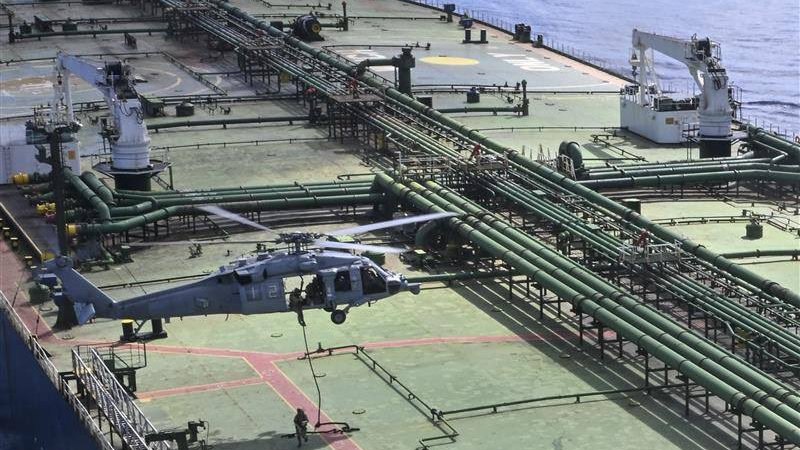
Adding to this volatile mix, US forces recently boarded an oil tanker in the region. While the specific circumstances and nationality of the tanker are crucial to understanding the full implications, such actions are often undertaken in response to suspected sanctions violations, illicit oil transfers, or to assert freedom of navigation. These boardings, particularly in international waters or contested zones, are inherently fraught with risk, as they can be perceived as acts of aggression and lead to direct confrontations. The incident highlights the intricate web of economic warfare and military posturing that defines the current standoff in the Persian Gulf, where every move is scrutinized and carries the potential for unintended consequences.
Historical Context and Broader Implications
The current state of affairs in the Middle East is deeply rooted in decades of historical grievances, regional power struggles, and external interventions. The US-Iran rivalry, for instance, traces its origins back to the 1979 Iranian Revolution and the subsequent hostage crisis, evolving through proxy wars and economic sanctions. The Strait of Hormuz has been a recurring flashpoint, notably during the “Tanker War” of the 1980s, where both sides targeted commercial shipping. Understanding this historical context is crucial for appreciating the depth of animosity and the entrenched positions of the various actors.
The implications of these escalating tensions are far-reaching. For global energy markets, any disruption in the Strait of Hormuz could send oil prices soaring, impacting economies worldwide. For regional stability, a direct conflict between the US and Iran would be catastrophic, potentially drawing in other regional powers and leading to a humanitarian crisis of unprecedented scale. Furthermore, the increased militarization of the region and the lowering of engagement thresholds raise the specter of accidental escalation, where a minor incident could spiral out of control. The international community watches with bated breath, urging de-escalation and diplomatic solutions, yet the path forward remains fraught with peril.
The Path Forward: Diplomacy Amidst Danger
As the Middle East navigates this perilous period, the need for robust diplomacy has never been more critical. The release of Shelly Kittleson and the extension of the Israel-Lebanon ceasefire offer glimpses of what can be achieved through negotiation and sustained effort. However, the shadow of potential conflict in the Persian Gulf looms large. Preventing a full-blown military confrontation between the United States and Iran requires a concerted international effort, de-escalatory measures from all parties, and a renewed commitment to dialogue. The stakes are immense, not just for the region, but for global peace and economic stability. The world holds its breath, hoping that reason will prevail over rhetoric, and that a path towards a more stable future can be forged amidst the present dangers.
Key Terms: * Strait of Hormuz: A narrow, strategically important waterway connecting the Persian Gulf to the open ocean, crucial for global oil shipments. * Minelayers: Naval vessels designed to deploy naval mines, which can disrupt shipping. * Ceasefire: A temporary cessation of fighting, often negotiated between warring parties. * Hostage Diplomacy: The use of detained individuals as bargaining chips in international relations. * IRGC (Islamic Revolutionary Guard Corps): A major part of Iran's armed forces, often involved in maritime activities in the Persian Gulf.
Stay Informed
Get the world's most important stories delivered to your inbox.
No spam, unsubscribe anytime.
Comments
No comments yet. Be the first to share your thoughts!