Middle East Tensions Escalate: Trump Extends Ceasefire Amid US-Iran Port Blockade Standoff
The fragile truce between the US and Iran has been extended by President Trump, but a critical standoff over Iran's Kharg Island oil blockade threatens to unravel peace efforts. US Treasury Secretary Scott Bessent warns of imminent oil well shutdowns as storage facilities near capacity. This development highlights the deep-seated economic pressures and geopolitical complexities defining the current Middle East crisis, with global implications for oil markets and regional stability.
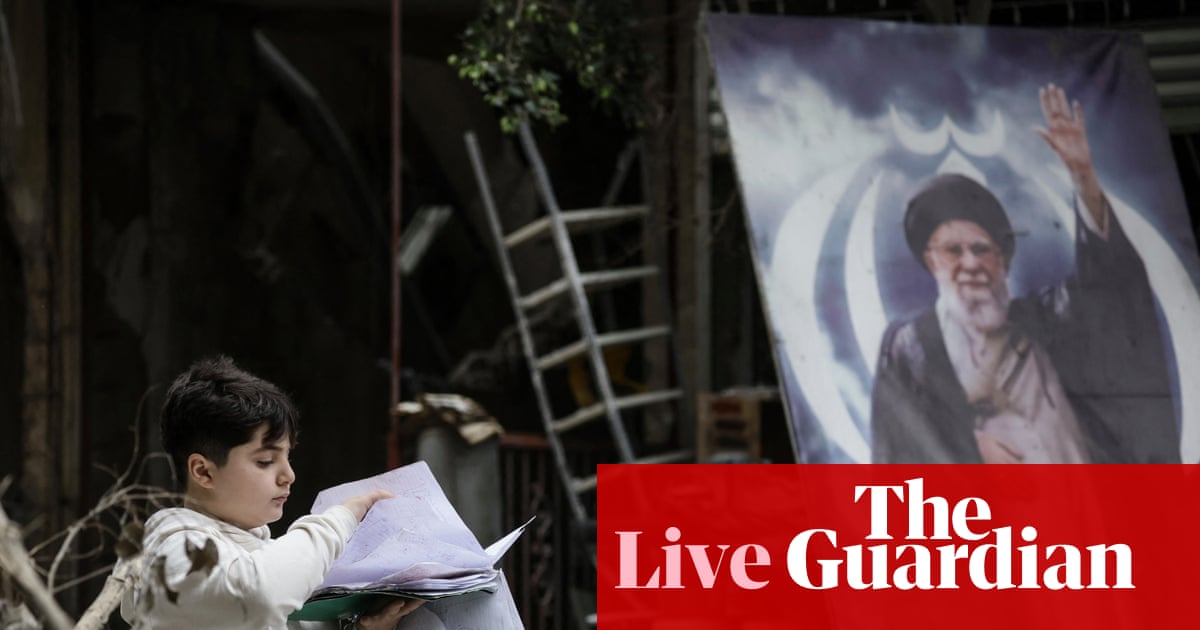
The Middle East, a region perpetually on the brink, finds itself once again at a precarious crossroads. Just hours before a critical ceasefire between the United States and Iran was set to expire, President Donald Trump announced an extension, a move reportedly influenced by diplomatic overtures from Pakistan. This eleventh-hour reprieve, however, masks a deepening crisis at the heart of the conflict: a relentless US-led blockade targeting Iran's vital oil exports, threatening to bring its economy to a grinding halt and potentially ignite a wider confrontation.
At the core of this escalating tension is Kharg Island, Iran's primary oil export terminal. US Treasury Secretary Scott Bessent issued a stark warning, predicting that Kharg Island's storage facilities would be completely full within days, forcing Iran to shut down its "fragile" oil wells. This aggressive economic pressure, designed to compel Iran back to the negotiating table over its nuclear program and regional activities, is pushing the Islamic Republic into an untenable corner, raising fears of unpredictable retaliation.
The Anatomy of a Blockade: Economic Warfare as a Diplomatic Tool
The US strategy against Iran has increasingly relied on maximum pressure through economic sanctions, with the oil embargo being its most potent weapon. The blockade of Kharg Island is not merely a logistical challenge for Iran; it is an existential threat to its economy. Oil exports account for a significant portion of Iran's national revenue, funding government operations, social programs, and its military. By choking off this lifeline, Washington aims to create internal dissent and force a change in Tehran's policies.
"This isn't just about reducing Iran's revenue; it's about making it impossible for them to function," explains Dr. Anya Sharma, a geopolitical analyst specializing in Middle Eastern affairs. "The US is betting that economic pain will outweigh Iran's strategic resolve. However, history shows that such extreme pressure can also lead to desperate measures, escalating the conflict rather than de-escalating it."
The current situation echoes historical precedents where economic warfare has been deployed, often with mixed results. While sanctions can be effective in altering state behavior, they also carry the risk of hardening resolve and fostering anti-Western sentiment. The immediate impact on Iran's domestic situation is already severe, with reports of rising inflation, unemployment, and public discontent, yet the regime has shown little sign of bowing to US demands.
Geopolitical Chessboard: Regional Players and Global Implications
The Middle East crisis is rarely a bilateral affair; it involves a complex web of regional and international actors. Pakistan's intervention, requesting the ceasefire extension, highlights the broader diplomatic efforts underway to prevent a full-blown war. Nations like Oman, Qatar, and even European powers have been engaged in back-channel diplomacy, attempting to bridge the chasm between Washington and Tehran.
* Saudi Arabia and UAE: Key US allies in the region, they largely support the pressure campaign against Iran, viewing it as a necessary measure to curb Iranian influence. However, they also stand to lose significantly from any military conflict that could disrupt oil flows and destabilize the region. * Israel: A staunch opponent of Iran's nuclear ambitions and regional presence, Israel generally supports aggressive measures but remains wary of direct confrontation that could draw it into a wider conflict. * Russia and China: Both powers maintain economic and strategic ties with Iran and have expressed opposition to unilateral US sanctions, often providing diplomatic cover and limited economic lifelines to Tehran.
The global implications of this standoff are profound. A disruption of oil supplies from the Persian Gulf, a vital artery for global energy, could send crude prices soaring, triggering a worldwide economic downturn. Shipping lanes, particularly the Strait of Hormuz, remain a flashpoint, with both sides having previously engaged in military posturing and minor skirmishes.
The Perilous Path Ahead: Diplomacy vs. Brinkmanship
President Trump's decision to extend the ceasefire, while providing a temporary pause, does not fundamentally alter the underlying dynamics of the conflict. It merely buys more time for diplomacy, or perhaps, for both sides to recalibrate their strategies. The US continues to demand a comprehensive deal that addresses Iran's nuclear program, ballistic missile development, and support for regional proxies. Iran, conversely, insists on the lifting of all sanctions and a return to the 2015 nuclear deal (JCPOA) as a prerequisite for any new negotiations.
"The extension is a small window, not a solution," notes Dr. Sharma. "The core issue remains: how to de-escalate without either side losing face or perceived strategic advantage. The blockade is designed to force Iran's hand, but it also risks cornering them into a position where they feel they have nothing left to lose."
Recent intelligence reports suggest Iran has continued to advance its nuclear program, albeit within certain limits, and has maintained its regional influence through proxies in Iraq, Syria, Lebanon, and Yemen. This dual strategy of enduring economic pain while subtly asserting its regional power complicates any diplomatic breakthrough.
Conclusion: A Region Holding Its Breath
The Middle East watches with bated breath as the US-Iran standoff intensifies. The extension of the ceasefire offers a glimmer of hope for continued dialogue, but the relentless pressure of the oil blockade casts a long shadow over any prospects for peace. The coming days and weeks will be crucial. Will Iran's oil wells indeed shut down, pushing the regime to a breaking point? Or will a diplomatic breakthrough emerge from the shadows, perhaps facilitated by third-party mediators, to avert a catastrophic escalation? The world waits, fully aware that the implications of this crisis extend far beyond the immediate shores of the Persian Gulf, threatening to reshape global geopolitics and economic stability for years to come.
This high-stakes game of brinkmanship underscores the urgent need for a comprehensive and sustainable diplomatic solution, one that addresses the legitimate security concerns of all parties involved while preventing the region from descending into further chaos. The alternative is a future fraught with uncertainty, where the fragile peace could shatter at any moment.
Stay Informed
Get the world's most important stories delivered to your inbox.
No spam, unsubscribe anytime.
Comments
No comments yet. Be the first to share your thoughts!