Miracle at 30,000 Feet: The Unexpected Birth Redefining Airline Policy and Passenger Experience
A Delta flight from Atlanta to Portland became the scene of an extraordinary event when Ashley Blair unexpectedly gave birth to baby Brielle Renee just before landing. This rare incident, involving a full flight and the quick actions of paramedics and crew, highlights the unpredictable nature of air travel and prompts a closer look at airline readiness for such emergencies. Beyond the heartwarming story, the birth raises questions about medical protocols, passenger safety, and the future of flying while pregnant.
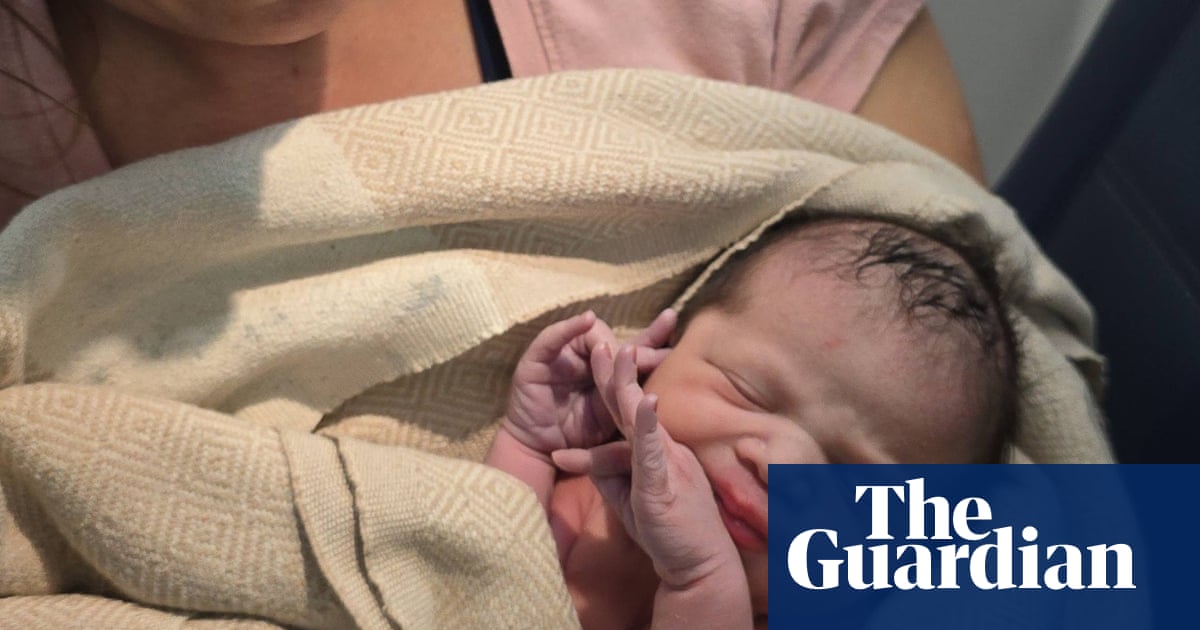
The cabin lights flickered, not in preparation for landing, but in a flurry of urgent activity. At 30,000 feet, somewhere between Atlanta and Portland, a Delta flight transformed from a routine journey into a makeshift delivery room. Ashley Blair, a passenger on the packed Friday night flight, unexpectedly went into labor shortly before touchdown. What followed was a dramatic, heartwarming, and ultimately successful delivery of her daughter, Brielle Renee, with the assistance of onboard paramedics and the Delta crew. This extraordinary event, while a joyous personal milestone, also casts a spotlight on the intricate web of regulations, preparedness, and human compassion that underpins modern air travel.
The Unforeseen Delivery: A Mid-Air Medical Emergency
The birth of Brielle Renee was far from ordinary. Imagine the scene: a bustling flight, passengers settling in for the final descent, and then, the sudden, undeniable signs of labor. For Ashley Blair, what began as a routine trip quickly escalated into a high-stakes medical emergency. Fortunately, the flight was staffed not only by trained Delta crew but also by off-duty paramedics who quickly sprang into action. Their expertise, combined with the flight attendants' training in emergency procedures, created a critical safety net. The quick thinking and coordinated efforts of these individuals were paramount in ensuring a safe delivery for both mother and child. This incident underscores the vital importance of medical professionals being present, even by chance, on commercial flights, and raises questions about whether airlines should consider more robust medical staffing or advanced training for their crews in handling such rare but critical events.
Historically, births on planes are incredibly rare, often occurring fewer than a dozen times a year globally, given the millions of flights annually. Airlines typically advise pregnant passengers to consult their doctors before flying, especially in the later stages of pregnancy. Many carriers have policies restricting travel for women past a certain gestational week, usually 36 weeks for domestic flights and 32-35 weeks for international travel, due to the increased risk of premature labor. However, as this case demonstrates, labor can be unpredictable, and exceptions occur. The logistical challenges are immense: limited space, lack of specialized medical equipment, and the inherent difficulties of maintaining sterility in an aircraft cabin. The success of Brielle Renee's birth is a testament to human ingenuity and the collective will to overcome adversity in an unconventional setting.
Legal and Logistical Aftershocks: Citizenship and Airline Policies
One of the most fascinating aspects of births in international airspace or over international waters is the question of citizenship. The legal principle of jus soli (right of soil), where citizenship is determined by place of birth, often applies. In the United States, a child born within U.S. airspace or territory is generally considered a U.S. citizen. Given that the Delta flight was a domestic one from Atlanta to Portland, Brielle Renee's U.S. citizenship is straightforward. However, if the birth had occurred over international waters or in the airspace of another country, the situation could become significantly more complex, involving international maritime law or the laws of the specific nation whose airspace was traversed. Some countries apply jus sanguinis (right of blood), where citizenship is determined by the nationality of the parents.
For airlines, such incidents trigger a review of their medical emergency protocols and passenger advisories. While Delta, like other major carriers, has established procedures for medical emergencies, a mid-air birth presents unique challenges. The incident may prompt airlines to reinforce their policies regarding pregnant travelers, perhaps even considering more stringent requirements for doctor's notes or waivers closer to the due date. From a public relations perspective, while a birth on board is often framed as a heartwarming story, it also serves as a stark reminder of the potential liabilities and the need for robust emergency response mechanisms. The airline's swift and compassionate response in this instance undoubtedly bolstered its image, turning a potential crisis into a narrative of successful intervention.
The Human Element: Community, Compassion, and Connection
Beyond the regulations and logistics, the story of Brielle Renee's birth is a powerful testament to the human spirit. The collective effort of the flight crew, the paramedics, and likely other passengers who offered support, transformed a potentially terrifying situation into one of shared joy and relief. Such events often foster an immediate sense of community among strangers. Imagine the palpable tension in the cabin, followed by the cheers and applause that likely accompanied the baby's first cry. This shared experience creates an indelible bond, a unique story that will be recounted for years by everyone on that flight.
Moreover, the incident highlights the incredible dedication of airline professionals and first responders. Flight attendants are not merely servers; they are highly trained safety personnel, equipped to handle a wide range of emergencies, from medical crises to security threats. The paramedics, though off-duty, exemplified their commitment to their profession, stepping up without hesitation. Their actions are a powerful reminder of the unsung heroes who often operate behind the scenes, ensuring our safety and well-being in unexpected circumstances. This incident, while rare, reinforces the idea that in times of crisis, human compassion and professional training can overcome even the most challenging environments.
Looking Ahead: Enhancing Preparedness and Passenger Awareness
The birth of Brielle Renee serves as a valuable case study for the aviation industry. While it's impractical to equip every commercial flight with a full obstetrics unit, there are areas for potential improvement. Airlines might consider enhancing first aid kits to include more advanced obstetric supplies, or providing more specialized training to a subset of their crew members for handling births. Furthermore, clearer and more prominent communication of travel policies for pregnant passengers could help minimize risks. Many expectant mothers might not be fully aware of the potential implications of flying late in their pregnancy, or the specific documentation required by airlines.
From a passenger perspective, this story is a vivid reminder of the importance of personal responsibility and awareness. Consulting with a doctor before flying, especially during pregnancy, is not just a recommendation but a critical step for safety. Understanding airline policies and being prepared for potential unforeseen circumstances can make a significant difference. As air travel continues to grow globally, such extraordinary events, though rare, will inevitably occur. The successful outcome on that Delta flight is a beacon of hope and a testament to the resilience of the human body and the power of collective action. It reminds us that even in the most confined and unexpected spaces, life finds a way, often bringing with it a renewed sense of wonder and appreciation for the fragility and strength of existence. The skies, it seems, are not just for flying, but for new beginnings too. The 'gorgeous' Brielle Renee will forever be a symbol of this miraculous journey, a tiny traveler whose first breath redefined an entire flight's narrative, leaving an indelible mark on all who witnessed her arrival.
Stay Informed
Get the world's most important stories delivered to your inbox.
No spam, unsubscribe anytime.
Comments
No comments yet. Be the first to share your thoughts!