Modena Attack: Car Ramming and Knife Assault Leaves Eight Wounded in Italy
A shocking incident in Modena, Italy, saw a 30-year-old man drive a car into a crowd, injuring eight, four seriously, before attempting a knife attack. The suspect, of North African origin, was apprehended by police. This event has reignited discussions on public safety, social integration, and the complex factors contributing to such acts of violence in European cities.
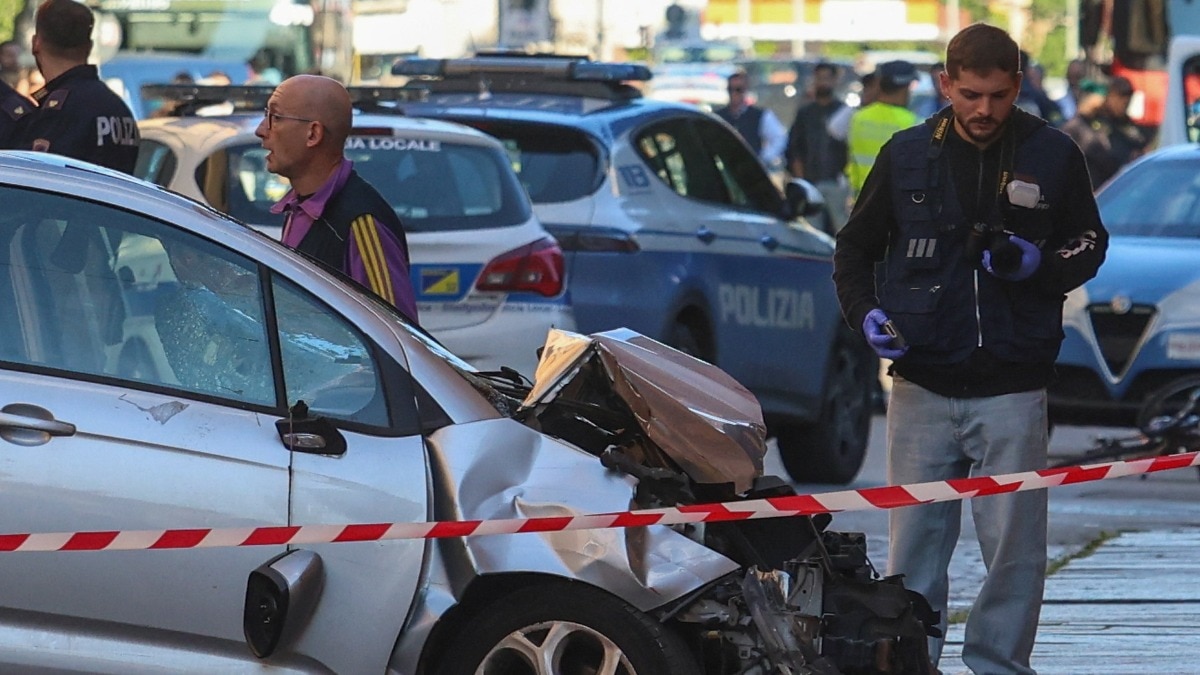
The tranquil streets of Modena, a city renowned for its balsamic vinegar and automotive heritage, were shattered by an act of sudden and brutal violence on a recent afternoon. A 30-year-old man, identified by authorities as being of North African origin and born in Bergamo, deliberately drove a car into a bustling crowd, leaving a trail of chaos and injury. At least eight people were wounded in the initial ramming, with four reported to be in serious condition, a stark testament to the indiscriminate nature of the attack. Following the vehicular assault, the perpetrator, whose identity has not been fully released, attempted to flee and reportedly chased individuals with a knife before being apprehended by swift police action. This incident has sent ripples of concern across Italy and Europe, prompting urgent questions about public safety, the motivations behind such acts, and the broader societal implications.
The Anatomy of an Attack: A Detailed Account
The incident unfolded rapidly, turning an ordinary day into a scene of terror. According to initial police reports, the suspect, who had recently moved to the province that includes Modena, intentionally accelerated his vehicle towards pedestrians. The car careened into a shop window, its impact a violent punctuation mark to the initial assault. Eyewitnesses described a harrowing scene: bodies scattered, screams echoing, and the immediate confusion that precedes the realization of a deliberate attack. The driver's subsequent attempt to brandish a knife and pursue people on foot suggests a premeditated intent to inflict further harm, indicating a level of malice that goes beyond a mere traffic accident. First responders arrived quickly, providing immediate medical attention to the injured and securing the area. The prompt apprehension of the suspect prevented what could have been an even more tragic outcome, highlighting the critical role of law enforcement in mitigating such threats. The four seriously injured victims are currently receiving intensive care, and the medical community is working tirelessly to ensure their recovery, while the community grapples with the psychological aftermath of witnessing such a brazen act of violence.
Background and Context: Understanding the Perpetrator
Authorities have released limited details about the perpetrator, describing him as a 30-year-old man born in Bergamo, a city in northern Italy, and of North African origin. His recent relocation to the Modena area adds another layer to the investigation, as police seek to understand his local connections, if any, and his state of mind leading up to the attack. The mention of his North African origin, while a factual detail, immediately raises complex questions about identity, social integration, and potential radicalization, though authorities have not yet indicated any terrorist links. Italy, like many European nations, has a significant immigrant population, and incidents involving individuals from diverse backgrounds often become focal points for broader societal debates. It is crucial for investigators to delve into the suspect's personal history, mental health status, and any potential grievances or affiliations that might shed light on his motives. Was this an act of personal desperation, a manifestation of mental illness, or something more sinister? The answers will be vital in understanding the root causes and preventing future occurrences. The investigation will likely involve examining his digital footprint, interviewing associates, and piecing together a timeline of his recent activities to construct a comprehensive profile.
Broader Implications: Public Safety and Social Cohesion
This incident in Modena is not an isolated event but rather fits into a disturbing pattern of vehicular attacks seen across Europe in recent years, from Nice to Berlin to London. These low-tech, high-impact methods of assault pose significant challenges for security forces, as they are difficult to predict and prevent. The accessibility of vehicles makes them a readily available weapon for individuals intent on causing mass casualties. The Modena attack underscores the persistent vulnerability of public spaces and the need for enhanced security measures, such as bollards and increased surveillance, without turning urban environments into fortresses. Beyond physical security, the incident also touches upon the delicate balance of social cohesion. When perpetrators are identified by their ethnic or religious background, it can unfortunately fuel prejudice and xenophobia, undermining efforts towards integration. Leaders and media have a responsibility to condemn violence unequivocally while also cautioning against collective blame and promoting understanding rather than division. The long-term implications for Modena and Italy will depend on how the community responds, both in terms of bolstering security and fostering inclusive dialogue.
The Path Forward: Healing and Prevention
As Modena begins the process of healing, the focus will undoubtedly be on supporting the victims and their families. The physical wounds may mend, but the psychological scars of such a traumatic event can linger for years. Community support, mental health services, and a sense of solidarity will be crucial for recovery. On a broader scale, the incident serves as a stark reminder of the multifaceted challenges facing modern societies. Prevention strategies must be holistic, addressing not only immediate security threats but also underlying socio-economic factors, mental health issues, and potential avenues for radicalization or extreme ideologies. This involves:
* Enhanced Intelligence Sharing: Closer collaboration between national and international security agencies to identify potential threats. * Community Engagement: Building trust between law enforcement and diverse communities to encourage reporting of suspicious behavior. * Mental Health Support: Providing accessible and destigmatized mental health services to individuals at risk. * Urban Planning for Safety: Designing public spaces with security in mind, incorporating features that deter vehicular attacks without impeding daily life. * Counter-Narratives: Actively challenging extremist ideologies and promoting messages of peace and coexistence.
The Modena attack, while tragic, must serve as a catalyst for renewed commitment to public safety and social resilience. The challenge lies in safeguarding open societies without sacrificing the very freedoms they represent. The path forward requires vigilance, empathy, and a collective determination to confront violence in all its forms, ensuring that such acts do not define the spirit of communities like Modena.
Stay Informed
Get the world's most important stories delivered to your inbox.
No spam, unsubscribe anytime.
Comments
No comments yet. Be the first to share your thoughts!