Monsoon's Embrace: Sri Lanka Braces for Significant Rainfall as Weather Patterns Shift
Sri Lanka is preparing for a period of widespread and potentially heavy rainfall across multiple provinces and districts, starting this afternoon. The Department of Meteorology has issued advisories for showers and thundershowers, impacting Western, Sabaragamuwa, Central, North-western, North-central, and Eastern provinces, alongside Badulla, Galle, and Matara districts. This weather event carries significant implications for agriculture, infrastructure, and daily life, highlighting the island nation's ongoing adaptation to dynamic climate conditions.
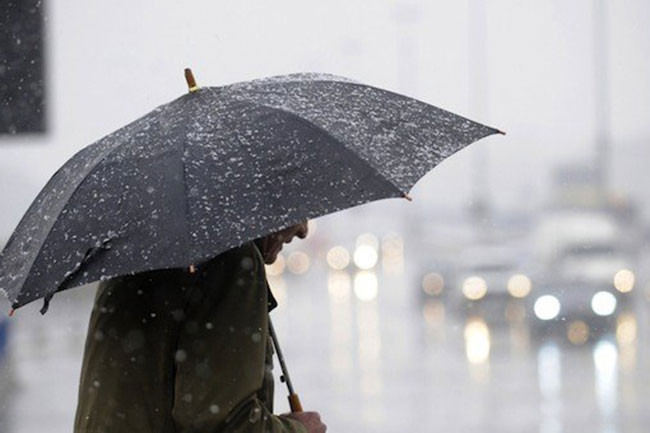
As the tropical sun begins its descent, casting long shadows across the verdant landscapes of Sri Lanka, a different kind of atmospheric shift is underway. The Department of Meteorology has issued a critical advisory, forecasting showers and thundershowers across a significant portion of the island nation, commencing after 2:00 PM today, October 3rd. This isn't just another passing shower; the forecast indicates fairly heavy rainfall in several key regions, potentially impacting millions and setting the stage for a period of heightened vigilance across the island.
The affected areas are extensive, encompassing the Western, Sabaragamuwa, Central, North-western, North-central, and Eastern provinces, along with the districts of Badulla, Galle, and Matara. This broad geographical spread underscores the widespread nature of the anticipated weather event, touching upon major urban centers, agricultural heartlands, and popular tourist destinations alike. For a nation intimately familiar with the rhythms of the monsoon, this forecast serves as a timely reminder of nature's powerful influence and the perpetual need for preparedness.
The Monsoon's Enduring Legacy: A Climate Context
Sri Lanka's climate is predominantly tropical, characterized by distinct wet and dry seasons largely dictated by the monsoon winds. The island experiences two main monsoon periods: the South-west Monsoon (May to September) and the North-east Monsoon (December to February). Additionally, two inter-monsoon periods (March to April and October to November) bring their own share of convective rainfall, often marked by localized heavy downpours and thunderstorms. The current forecast falls squarely within the second inter-monsoon period, a time known for its unpredictable yet often intense weather phenomena.
Historically, these periods of heavy rainfall have been both a blessing and a challenge for Sri Lanka. The rains are vital for the island's agriculture, particularly its staple crop, rice, and its lucrative tea plantations. They replenish reservoirs, ensuring a steady supply of drinking water and hydroelectric power. However, excessive or prolonged rainfall can quickly turn into a hazard, leading to floods, landslides, and disruptions to daily life and economic activity. The island's mountainous central region, in particular, is highly susceptible to landslides during heavy downpours, a recurring concern for authorities and residents.
Regional Impacts and Preparedness Measures
Each of the provinces and districts mentioned in the advisory faces unique challenges and opportunities related to rainfall:
* Western Province (including Colombo): As the economic hub, heavy rains here can lead to urban flooding, traffic congestion, and disruptions to business. Infrastructure, including drainage systems, is constantly tested. * Sabaragamuwa and Central Provinces: These mountainous regions are highly vulnerable to landslides and flash floods. Communities in these areas often have established early warning systems and evacuation protocols. * North-western and North-central Provinces: Primarily agricultural regions, these areas rely heavily on rainfall for cultivation. While beneficial for crops, excessive rain can damage fields and disrupt harvesting. * Eastern Province: Coastal areas here are susceptible to localized flooding, and fishing communities must monitor sea conditions closely. * Badulla, Galle, and Matara districts: These districts, spanning mountainous, inland, and coastal areas, face a mix of risks including landslides (Badulla), urban flooding (Galle), and coastal erosion (Matara).
The Department of Meteorology plays a crucial role in disseminating timely and accurate forecasts, enabling government agencies, disaster management authorities, and the public to take proactive measures. These measures often include:
* Clearing drains and waterways to prevent blockages. * Monitoring water levels in rivers and reservoirs. * Issuing public advisories for travel and safety. * Preparing evacuation centers in high-risk areas. * Advising fishermen on sea conditions.
Economic and Social Implications
The economic implications of significant rainfall are multi-faceted. On one hand, adequate rainfall is essential for the agricultural sector, which forms a substantial part of Sri Lanka's economy. Tea, rubber, coconut, and rice production all depend heavily on consistent water supply. A good monsoon season can lead to bumper harvests, boosting exports and ensuring food security. On the other hand, adverse weather events can cause substantial economic losses:
* Crop damage: Floods can destroy standing crops, leading to financial hardship for farmers and potential food price volatility. * Infrastructure damage: Roads, bridges, and power lines can be damaged, incurring significant repair costs and disrupting supply chains. * Tourism impact: While less direct, prolonged bad weather can deter tourists, affecting a vital foreign exchange earner. * Health risks: Stagnant water after floods can lead to waterborne diseases like dengue fever, placing additional strain on public health services.
Socially, communities are often the first responders to weather-related challenges. The resilience of Sri Lankan communities, often demonstrated through collective efforts in disaster relief and recovery, is a testament to their deep-rooted understanding of their environment. However, repeated exposure to extreme weather events can lead to displacement, psychological stress, and long-term socio-economic vulnerabilities, particularly for those in marginalized communities.
Climate Change and Future Outlook
The increasing frequency and intensity of extreme weather events globally, including heavy rainfall patterns, are often linked to climate change. While a single weather event cannot be definitively attributed to climate change, the broader trend suggests a future where Sri Lanka may experience more unpredictable and severe monsoons and inter-monsoon periods. This necessitates a long-term strategy for climate adaptation and resilience building.
Experts suggest that this includes:
* Investing in robust climate forecasting models and early warning systems. * Developing climate-resilient infrastructure, such as improved drainage and flood-resistant housing. * Promoting sustainable land use practices to mitigate soil erosion and landslides. * Enhancing disaster preparedness and response mechanisms at national and local levels. * Educating the public on climate risks and safety measures.
As the afternoon progresses and the forecasted rains begin to fall, Sri Lanka will once again demonstrate its enduring spirit in the face of nature's power. The immediate focus remains on safety and preparedness, but the broader narrative points towards a future where adapting to a changing climate will be paramount for the island's continued prosperity and well-being. The showers today are more than just weather; they are a reminder of the intricate dance between humanity and the environment, a dance that requires constant attention and respect.
Stay Informed
Get the world's most important stories delivered to your inbox.
No spam, unsubscribe anytime.
Comments
No comments yet. Be the first to share your thoughts!