Musk vs. OpenAI: The Betrayal Narrative Unravels in Court
Elon Musk's highly anticipated legal battle against OpenAI has commenced, with the tech magnate alleging a fundamental betrayal of the non-profit's founding mission. The initial week of proceedings has seen the narrative encounter significant challenges, as the defense works to dismantle Musk's claims of a simple tale of broken promises. This high-stakes trial not only pits former allies against each other but also raises critical questions about the future of AI development and its ethical implications.
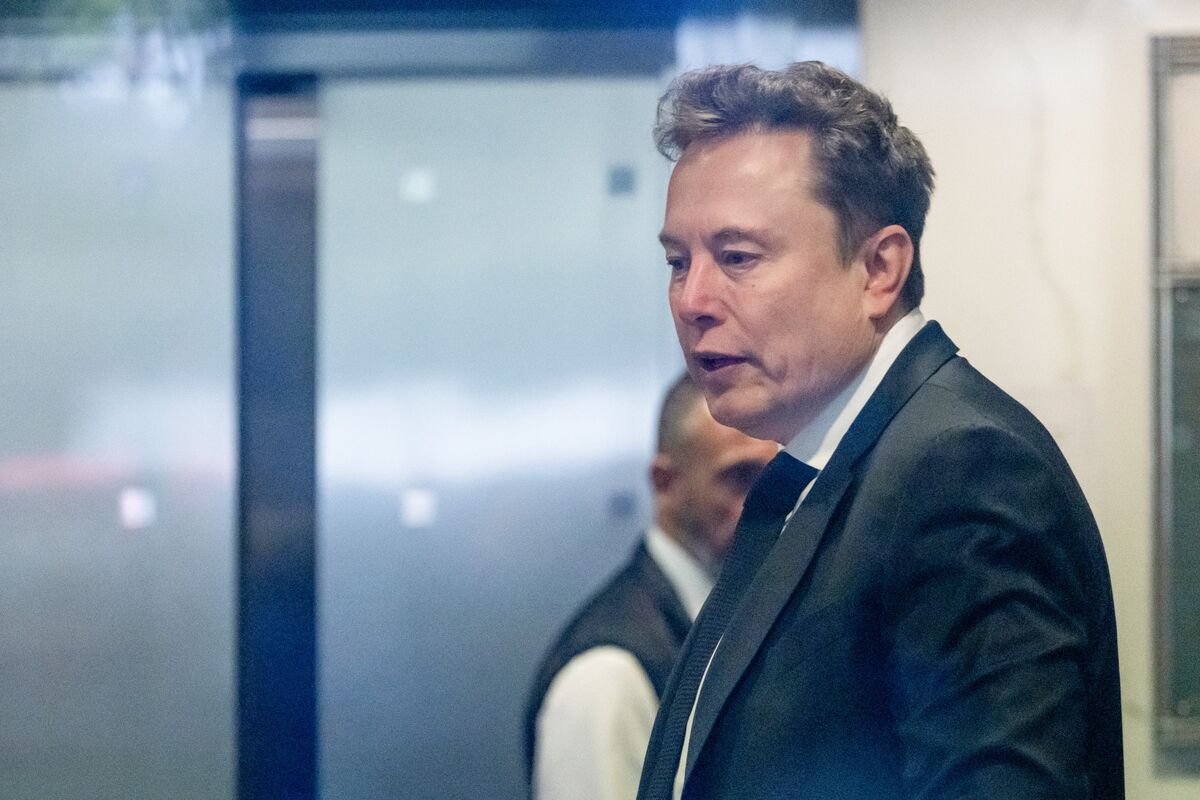
The courtroom drama unfolding between Elon Musk and OpenAI is more than just a legal dispute; it's a profound narrative about ambition, ethics, and the very soul of artificial intelligence. Musk, a co-founder of OpenAI, initiated the lawsuit claiming the company, under its current leadership, has strayed irrevocably from its original non-profit, open-source mission, transforming into a profit-driven entity primarily benefiting Microsoft. However, the first week of the trial has revealed a complex tapestry of events, challenging Musk's seemingly straightforward tale of betrayal and raising questions about the motivations and evolving landscape of AI development.
The Genesis of a Vision: OpenAI's Founding Principles
OpenAI was founded in 2015 by Elon Musk, Sam Altman, and others, with a lofty, almost utopian goal: to ensure that Artificial General Intelligence (AGI) benefits all of humanity, not just a select few. The initial structure was emphatically non-profit, dedicated to open research and collaboration, explicitly designed to prevent powerful AI from falling into the hands of corporations or governments that might misuse it. Musk himself contributed significant capital and vision, championing the idea of a counterweight to companies like Google, which he feared were monopolizing AI research. The core tenet was 'open AI,' meaning research and its fruits would be shared widely, fostering a collaborative, transparent approach to developing what many believe will be the most transformative technology in human history. This philosophical foundation is at the heart of Musk's current grievance, as he argues the company's pivot to a 'capped-profit' model and its close ties with Microsoft represent a fundamental abandonment of these principles.
The Shifting Sands: From Non-Profit to Profit-Capped Entity
Over the years, the financial realities of developing cutting-edge AI became starkly apparent. The computational power, talent acquisition, and infrastructure required billions of dollars, far exceeding what a traditional non-profit structure could sustain through donations alone. This led to a pivotal strategic shift in 2019, when OpenAI created a 'capped-profit' subsidiary. This new entity was designed to attract significant investment by offering investors a return, albeit a capped one, while theoretically maintaining the non-profit's overarching mission. Microsoft subsequently invested billions, gaining exclusive licensing rights to OpenAI's technology, including its groundbreaking GPT models. This commercialization, according to Musk, is the ultimate betrayal. He contends that the original agreement stipulated that OpenAI's AGI, if achieved, would be developed for the benefit of humanity, not for the exclusive commercial advantage of a single corporation. The defense, however, is likely to argue that this evolution was a necessary step for the company's survival and its ability to continue pursuing its mission, albeit through a different financial vehicle. They may also point to the substantial resources and expertise Microsoft brought to the table, accelerating AI development in ways that would have been impossible otherwise.
The Courtroom Confrontation: Dissecting the 'Betrayal'
Musk's legal team is attempting to paint a clear picture of a broken promise, focusing on the initial charter and the spirit of the founding agreement. They argue that OpenAI's commercial ventures, particularly with Microsoft, directly contradict the 'open' and 'non-profit' ethos. The defense, conversely, is expected to present a more nuanced narrative. They will likely highlight the immense costs of AI research, the competitive landscape, and the practical necessity of securing substantial funding to compete with tech giants. Furthermore, they might argue that the 'capped-profit' structure was a pragmatic solution to continue the mission, not abandon it. Witnesses and internal documents are expected to shed light on the internal discussions and decisions that led to the restructuring, potentially revealing that Musk himself was aware of or even participated in discussions about the financial challenges and potential solutions. The courtroom is becoming a battleground not just over legal interpretations but over the very definition of 'open' and 'for humanity' in the context of advanced AI development.
Implications for the Future of AI Governance and Ethics
This trial has far-reaching implications beyond the immediate parties involved. It brings to the forefront critical questions about the governance of powerful AI technologies. If a non-profit foundation, initially dedicated to open access, can evolve into a commercially driven entity, what does this mean for the future of ethical AI development? It highlights the tension between the idealistic goals of AI for good and the economic realities of building and deploying such complex systems. Regulators and policymakers worldwide are grappling with how to ensure AI safety, fairness, and transparency. This case could set a precedent for how founding agreements are interpreted in the rapidly evolving tech landscape, potentially influencing future ventures that attempt to balance altruistic missions with the need for substantial funding. The outcome could either reinforce the importance of original charters or demonstrate the flexibility required for innovation, leaving a lasting mark on the nascent field of AI law and ethics. The debate over AGI's alignment with human values is not just academic; it's now playing out in a courtroom.
The Broader Crypto Context: Decentralization vs. Centralization in Tech
While the lawsuit itself isn't directly about cryptocurrency, the underlying themes resonate strongly with the crypto and blockchain communities. Musk's accusations against OpenAI mirror the ongoing debate between decentralized and centralized approaches in technology. The original vision of OpenAI, with its emphasis on open-source and public benefit, aligns with the decentralized ethos of many crypto projects that aim to distribute power and control. Conversely, OpenAI's pivot towards a corporate structure and its exclusive deals with Microsoft represent a move towards centralization, where control and benefits are concentrated. This trial, therefore, serves as a high-profile case study in the tension between these two philosophies. It underscores the challenges of maintaining an open, public-good mission when faced with the immense financial pressures and competitive landscape of cutting-edge technological development. For the crypto world, it's a reminder of the constant struggle to uphold founding principles against the allure of traditional corporate structures and the need for robust governance models that can withstand commercial pressures.
A Defining Moment for AI and Its Architects
The Musk-OpenAI trial is more than a personal vendetta; it's a defining moment for the AI industry. It forces a re-evaluation of the promises made at the dawn of a new technological era and the practicalities of delivering on those promises. As the legal proceedings continue, the world watches to see how the courts will interpret the evolving nature of a groundbreaking organization and its commitment to its initial charter. The outcome will not only determine the future relationship between Musk and OpenAI but will also send a powerful message about the accountability of tech leaders and the direction of AI development for decades to come. The stakes are incredibly high, not just for the litigants, but for all of humanity that stands to benefit, or potentially suffer, from the advancements of artificial intelligence.
Stay Informed
Get the world's most important stories delivered to your inbox.
No spam, unsubscribe anytime.
Comments
No comments yet. Be the first to share your thoughts!