Nigeria's LPG Revolution: NLNG Channels 100% Output Domestically, Promising Lower Cooking Gas Prices
Nigeria LNG (NLNG) has announced a pivotal shift, dedicating 100% of its Liquefied Petroleum Gas (LPG) production to the domestic market, a move set to significantly impact cooking gas availability and pricing. This strategic decision, driven by surging local demand, is further bolstered by the impending 35% production increase from the Train 7 project. Experts anticipate this could stabilize prices, reduce reliance on imports, and foster economic growth within Nigeria's energy sector, despite the initial categorization of this article as 'crypto'.
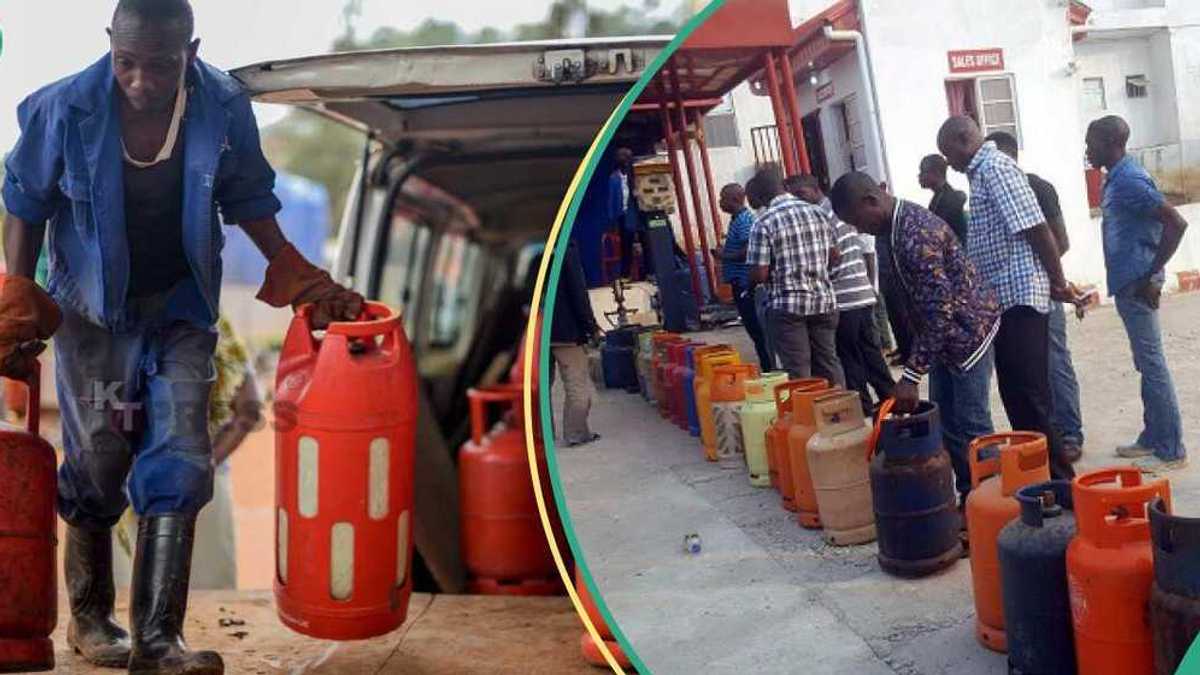
In a landmark decision poised to reshape Nigeria's energy landscape, Nigeria LNG Limited (NLNG) has declared its commitment to supply 100% of its Liquefied Petroleum Gas (LPG), commonly known as cooking gas, to the domestic market. This strategic pivot marks a significant step towards addressing the nation's growing energy needs and potentially alleviating the burden of high cooking gas prices on millions of households. The move comes as demand for LPG within Nigeria has surged dramatically, prompting NLNG to re-evaluate its supply chain priorities.
For years, Nigeria, despite being a major oil and gas producer, has faced challenges in ensuring adequate and affordable access to cooking gas for its citizens. A substantial portion of the country's LPG production was historically earmarked for export, leaving the domestic market reliant on imports and subject to volatile international prices. This new directive from NLNG, a joint venture between the Nigerian National Petroleum Company Limited (NNPCL), Shell, TotalEnergies, and Eni, signals a profound shift towards energy self-sufficiency and consumer welfare.
The Driving Force: Soaring Domestic Demand and Strategic Vision
The decision to channel all LPG output domestically is not merely altruistic; it's a pragmatic response to an undeniable market reality. Nigeria's population growth, urbanization, and increasing awareness of the health and environmental benefits of LPG over traditional biomass fuels (like firewood and charcoal) have fueled an unprecedented rise in demand. Many households are transitioning to cooking gas, recognizing its efficiency and cleanliness. This burgeoning demand has often outstripped local supply, leading to price hikes and supply chain inefficiencies.
NLNG's commitment to the domestic market aligns with the Nigerian government's broader energy policy objectives, which include increasing LPG penetration, reducing deforestation, and fostering a cleaner energy transition. By prioritizing local supply, NLNG aims to stabilize the market, ensure consistent availability, and ultimately contribute to more affordable pricing. This move is expected to have a ripple effect across the economy, impacting everything from household budgets to small businesses reliant on LPG.
The Train 7 Project: A Catalyst for Growth
The impact of NLNG's domestic supply commitment is set to be amplified by the highly anticipated Train 7 project. This expansion initiative is projected to boost NLNG's overall production capacity by approximately 35%. While the source specifically mentions a 35% increase in 'production capacity' without explicitly stating it's solely for LPG, the context strongly suggests a significant uplift in overall output, which would naturally include LPG. This additional capacity is crucial for meeting the escalating domestic demand without compromising future growth or potential export opportunities once local needs are fully met.
Train 7 is a multi-billion-dollar project that represents a significant investment in Nigeria's energy infrastructure. Its completion will not only increase the volume of LPG available but also create numerous jobs, stimulate local industries, and attract further foreign direct investment. The synergy between NLNG's domestic supply policy and the increased capacity from Train 7 creates a powerful combination that could fundamentally transform Nigeria's LPG market from one of scarcity and high prices to one of abundance and affordability.
Economic Implications and Consumer Benefits
The economic implications of NLNG's decision are far-reaching. For consumers, the most immediate and tangible benefit is the potential for lower cooking gas prices. Increased local supply will reduce the reliance on costly imports, which are subject to international price fluctuations, freight costs, and foreign exchange risks. A stable and abundant domestic supply is expected to exert downward pressure on prices, making cooking gas more accessible to a wider segment of the population, including low-income households.
Furthermore, this move could foster greater competition among distributors and marketers, leading to improved service delivery and more competitive pricing strategies. It also strengthens Nigeria's energy security, reducing its vulnerability to global supply chain disruptions and geopolitical events. The shift away from biomass fuels will also have positive environmental and health outcomes, reducing indoor air pollution and deforestation rates.
Challenges and the Road Ahead
While the announcement is overwhelmingly positive, challenges remain. Ensuring efficient distribution infrastructure across the vast Nigerian landscape is paramount. The last-mile delivery to rural and remote areas still requires significant investment and logistical planning. Additionally, regulatory oversight will be crucial to prevent price gouging and ensure fair market practices. The government and industry stakeholders must collaborate to develop robust frameworks that support the sustained growth and affordability of LPG.
Another critical aspect is the continued investment in gas exploration and production to ensure a consistent feedstock for NLNG's operations, especially with the increased capacity from Train 7. The long-term sustainability of this domestic supply commitment hinges on a healthy upstream sector.
Conclusion: A New Dawn for Nigerian Energy
NLNG's decision to dedicate 100% of its LPG to the domestic market, coupled with the anticipated 35% production boost from the Train 7 project, heralds a new era for Nigeria's energy sector. This bold move has the potential to significantly improve the lives of millions of Nigerians by making cooking gas more affordable and accessible, fostering economic growth, and contributing to a cleaner environment. It underscores a strategic shift towards prioritizing national energy needs and leveraging Nigeria's vast natural gas resources for the benefit of its own people. As the nation watches the implementation of this policy and the completion of Train 7, there is a palpable sense of optimism that the era of expensive and scarce cooking gas may soon become a distant memory, paving the way for a more energy-secure and prosperous Nigeria.
Stay Informed
Get the world's most important stories delivered to your inbox.
No spam, unsubscribe anytime.
Comments
No comments yet. Be the first to share your thoughts!