Nintendo's Profit Plunge: Why the Switch 2 Price Hike Sent Shockwaves Through the Gaming World
Nintendo shares plummeted nearly 10% after the gaming giant issued a significant profit warning, projecting a 27% decline in net profit. The announcement, coupled with plans to increase the price of the highly anticipated Switch 2 console, has sparked investor concern and raised questions about the company's strategy. This move comes amidst a challenging global economic climate and intensifying competition in the gaming sector, forcing Nintendo to navigate a complex path forward.
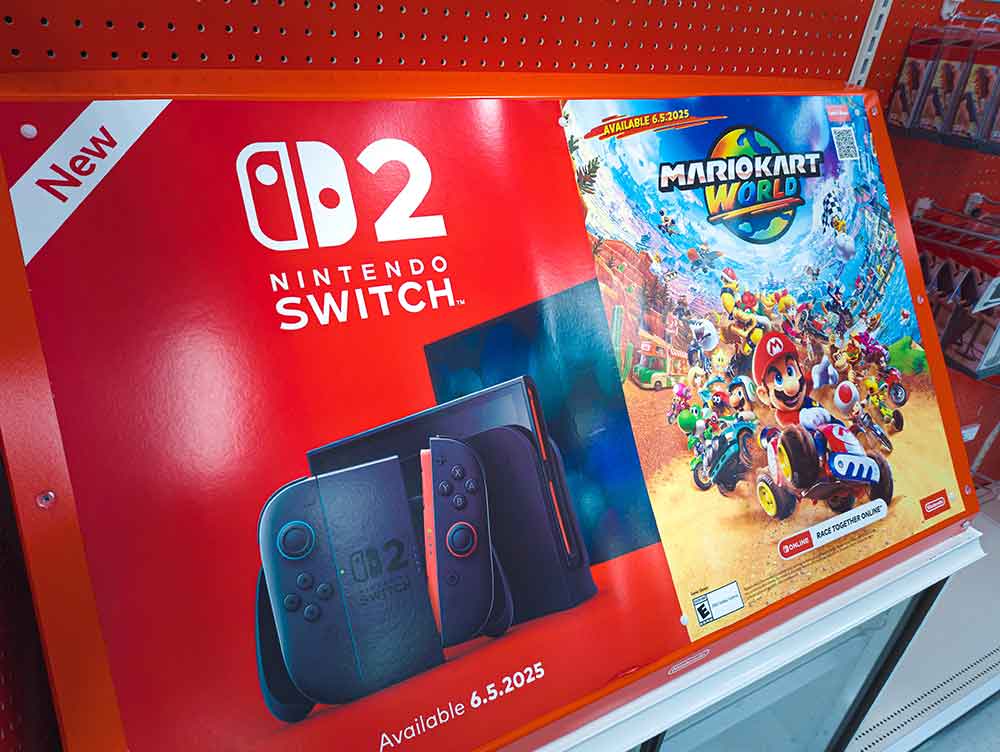
The usually buoyant world of Nintendo, a company synonymous with family-friendly entertainment and innovative gaming, experienced a significant jolt this past Monday. Shares in the Japanese gaming titan plummeted by nearly 10 percent, wiping billions off its market valuation. The dramatic decline followed a stark warning from the company itself: a projected 27 percent plunge in net profit for the current financial year. Adding fuel to the fire, Nintendo also confirmed plans to hike the price of its highly anticipated next-generation console, the Switch 2. This confluence of factors has sent shockwaves not just through the stock market, but also across the global gaming community, leaving investors and fans alike questioning the future trajectory of one of the industry's most beloved stalwarts.
A Challenging Economic Headwind
Nintendo's profit warning arrives at a particularly precarious time for the global economy. Inflationary pressures, rising interest rates, and a general tightening of consumer spending have created a challenging environment for discretionary purchases, especially high-ticket items like gaming consoles. For a company like Nintendo, which relies heavily on hardware sales and subsequent software attachments, these macroeconomic headwinds pose a significant threat. The projected 27 percent drop in net profit is not merely a minor blip; it signals a substantial recalibration of expectations, suggesting that the company anticipates a tougher sales landscape than previously modeled.
Historically, Nintendo has often defied economic downturns, thanks to its unique appeal and innovative products. The original Nintendo Switch, launched in 2017, became a runaway success, selling over 139 million units worldwide as of December 2023. Its hybrid nature – seamlessly transitioning between a home console and a portable device – captured a broad demographic, from casual players to hardcore enthusiasts. However, even a company with Nintendo's track record is not immune to prolonged economic strain. The decision to raise the price of the Switch 2, while potentially aimed at offsetting rising production costs and maintaining profit margins per unit, risks alienating price-sensitive consumers at a time when every dollar counts. This strategic gamble could either solidify its premium positioning or deter potential buyers, especially if competitors offer more aggressively priced alternatives.
The Switch 2: Balancing Innovation and Affordability
The Nintendo Switch 2, though details remain officially scarce, is undoubtedly one of the most anticipated hardware launches in recent memory. Rumors and leaks suggest significant technological upgrades, including improved graphics, faster processing, and potentially new features that build upon the original Switch's innovative design. However, these advancements come at a cost. Developing cutting-edge technology, sourcing components, and manufacturing at scale have all become more expensive in the post-pandemic global supply chain environment. Nintendo's decision to increase the console's price is likely a direct response to these escalating costs.
This move places Nintendo in a delicate balancing act. On one hand, maintaining a healthy profit margin is crucial for sustained research and development, allowing the company to continue innovating and producing high-quality games. On the other hand, the price point of a console is often a critical factor in its market adoption, particularly in emerging markets or for families with tighter budgets. The original Switch's success was partly attributed to its relatively accessible price point compared to its more powerful rivals, PlayStation and Xbox. A significantly higher price for the Switch 2 could narrow its appeal, potentially limiting its market penetration and slowing down the crucial network effect that drives software sales.
Industry analysts are closely watching this development. "Nintendo has always excelled at creating unique experiences that transcend raw power, but even they operate within market realities," notes Dr. Kenji Tanaka, a Tokyo-based technology analyst. "The Switch 2's success will hinge not just on its technical prowess, but on whether its new features and exclusive game lineup can justify a higher price tag in the eyes of consumers already tightening their belts." The company's challenge will be to clearly articulate the value proposition of the Switch 2, demonstrating that the increased cost is commensurate with a significantly enhanced gaming experience.
Investor Reaction and Future Outlook
The immediate 10 percent drop in share price reflects investor apprehension regarding Nintendo's revised profit forecast and the potential impact of the Switch 2's higher price. Investors often react negatively to profit warnings, as they signal a deviation from previously set expectations and can indicate underlying operational or market challenges. The gaming industry is notoriously cyclical, with hardware launches typically driving significant revenue spikes, followed by sustained software sales. A weaker-than-expected launch or slower adoption due to pricing could have long-term implications for Nintendo's financial health.
However, it's also important to view this within Nintendo's broader history. The company has weathered numerous storms, from the commercial struggles of the Wii U to fierce competition from rival platforms. Its strong intellectual property portfolio, including iconic franchises like Mario, Zelda, and Pokémon, provides a robust foundation. These evergreen titles consistently drive sales and maintain a loyal fanbase, offering a degree of resilience even during challenging periods. The success of upcoming exclusive titles for the Switch 2 will be paramount in mitigating the impact of the price hike and re-energizing investor confidence.
Looking ahead, Nintendo's strategy will likely involve a multi-pronged approach. This includes not only delivering a compelling hardware experience with the Switch 2 but also ensuring a robust launch lineup of first-party games that showcase the console's capabilities. Furthermore, effective marketing and communication will be crucial to justify the increased price point to consumers. The company may also explore different pricing tiers or bundle options to make the console more accessible. While the immediate reaction has been negative, Nintendo's proven ability to innovate and adapt suggests that while the path ahead is challenging, it is far from insurmountable. The coming months will be critical in determining whether the Switch 2 can overcome its initial price hurdle and replicate the monumental success of its predecessor, solidifying Nintendo's position in the ever-evolving gaming landscape. The gaming world watches with bated breath to see how this next chapter unfolds for the Kyoto-based giant. The stakes, for both Nintendo and its legions of fans, have never been higher.
Stay Informed
Get the world's most important stories delivered to your inbox.
No spam, unsubscribe anytime.
Comments
No comments yet. Be the first to share your thoughts!