Oil Market Volatility: Brent Crude Faces Largest Weekly Drop in 10 Months Amid Geopolitical Tensions
Global oil prices are experiencing their most significant weekly decline in nearly a year, driven by renewed ceasefire hopes and persistent supply concerns. Despite the dip, Brent crude remains near the critical $100 per barrel mark, highlighting the market's underlying instability and sensitivity to Middle Eastern geopolitics and vital shipping routes.
LONDON – The global oil market is currently navigating a turbulent period, with Brent crude futures poised for their largest weekly loss in ten months. As of April 10, prices hovered around $95.97 a barrel, a slight uptick of 0.05% on the day, yet reflecting a broader downward trend over the week. This significant decline, the most pronounced since last June, comes amidst a complex interplay of factors, including tentative ceasefire hopes in conflict zones and enduring anxieties over supply stability from key producers.
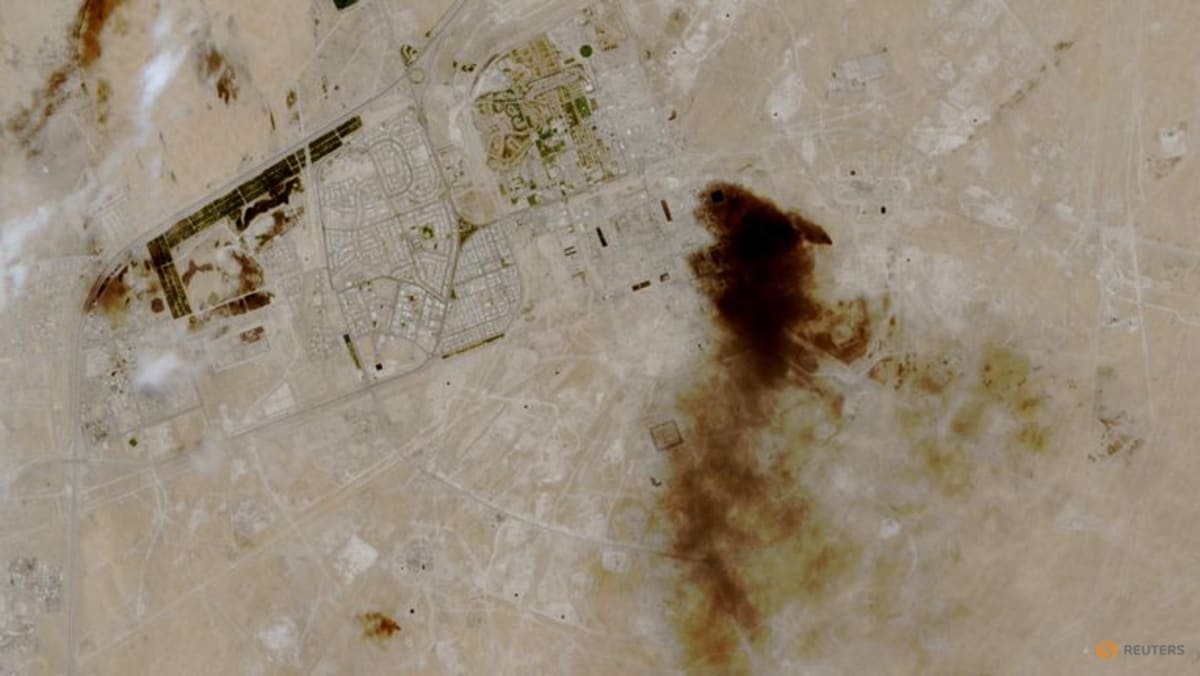
The initial impetus for the weekly downturn appears to be a cautious optimism surrounding potential de-escalation in geopolitical hotspots, which could alleviate some of the risk premium built into oil prices. However, this relief is tempered by persistent and deep-seated concerns. Foremost among these are the continuing uncertainties regarding supply volumes from Saudi Arabia, a cornerstone of global oil production, and the precarious flow of crude through the Strait of Hormuz. The Strait, a narrow chokepoint between the Persian Gulf and the open ocean, is a critical artery for a substantial portion of the world's oil shipments, making any disruption a major threat to global energy security.
Analysts at PulseWorld note that while the weekly drop is considerable, the fact that Brent crude remains stubbornly close to the $100 per barrel threshold underscores the market's underlying bullish sentiment. This resilience is a testament to the tight supply-demand balance and the inherent volatility introduced by geopolitical risks. "The market is in a constant tug-of-war," explains Dr. Anya Sharma, a senior energy economist. "On one hand, any hint of peace can trigger profit-taking and price corrections. On the other, the foundational issues of supply capacity, strategic reserves, and regional instability mean that prices quickly find a floor, often at elevated levels."
The current situation is a stark reminder of the delicate equilibrium that governs international oil prices. Beyond the immediate headlines, several structural factors contribute to this volatility. Underinvestment in new production capacity in recent years, coupled with a steady, albeit sometimes fluctuating, global demand, means that the market has less buffer against shocks. Furthermore, the ongoing energy transition, while aiming to reduce reliance on fossil fuels, simultaneously creates uncertainties around long-term investment in traditional oil infrastructure, potentially exacerbating short-term supply crunch risks.
Looking ahead, market participants will be closely watching developments in the Middle East for any concrete signs of sustained peace, as well as production decisions from OPEC+ and the trajectory of global economic growth. A robust global economy would inevitably drive up demand, potentially pushing prices back towards, or even past, the $100 mark with greater conviction. Conversely, a significant economic slowdown could tip the balance towards a more pronounced price correction. For now, the oil market remains a barometer of global stability, reflecting both the hopes for peace and the enduring realities of geopolitical risk.