Oman Rejects Iran's Strait of Hormuz Toll Proposal, Highlighting Regional Tensions
Oman has firmly rejected Iran's proposal to impose transit fees on vessels passing through the Strait of Hormuz, a key point in Tehran's recent 10-point ceasefire plan. This swift contradiction by Muscat underscores the complex and often divergent interests among Gulf nations, particularly concerning the critical waterway.
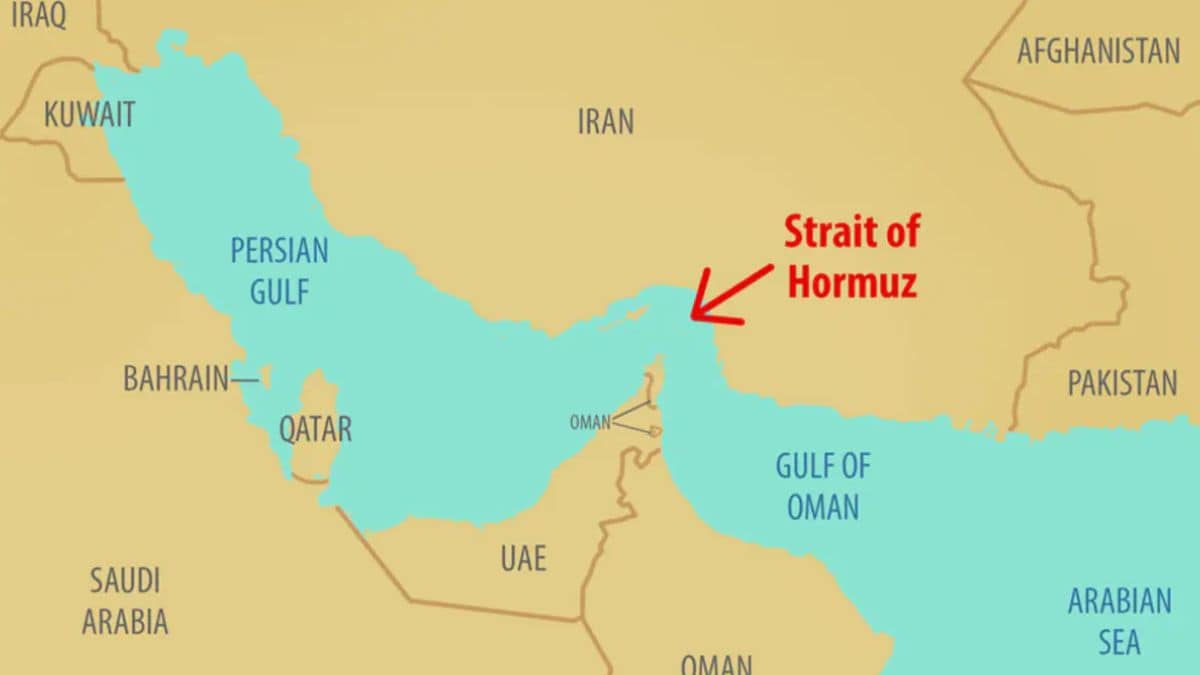
Muscat, Oman – In a move that highlights the intricate geopolitical landscape of the Middle East, Oman has unequivocally rejected Iran's recent proposal to levy transit fees on ships navigating the strategically vital Strait of Hormuz. The demand, embedded within a broader 10-point ceasefire proposal put forth by Tehran, aimed to allow both Iran and Oman to impose tolls on maritime traffic. However, Oman's swift and public contradiction underscores a significant divergence in regional policy and a firm stance against any measure that could impede freedom of navigation.
The Strait of Hormuz, a narrow chokepoint between the Persian Gulf and the open ocean, is arguably the world's most important oil transit waterway. Approximately one-fifth of global oil consumption, and a significant portion of liquefied natural gas (LNG), passes through this 21-mile-wide passage daily. Any disruption or additional cost imposed on this traffic has profound implications for global energy markets and international trade.
Iran's proposal, part of a ceasefire plan reportedly aimed at de-escalating tensions with the United States, appears to be an attempt to assert greater control over the strait and potentially generate revenue. Tehran has, in the past, threatened to close the strait in response to international sanctions or military pressure, though it has never fully done so. This latest move, however, sought to legitimize a financial claim over international waters, a concept largely rejected by international maritime law, which upholds the right of innocent passage through such straits.
Oman's position is rooted in its long-standing foreign policy of neutrality, mediation, and adherence to international law. As a nation that shares control of the strait with Iran, Muscat has consistently advocated for stability and unimpeded passage. Imposing tolls would not only violate established international norms but could also provoke significant backlash from global powers and shipping nations, potentially escalating regional tensions rather than alleviating them. Oman's leadership understands that such a move could transform the strait from a conduit of trade into a flashpoint of conflict, detrimental to its own economic interests and regional security.
Analysts suggest that Iran's proposal might have been a negotiating tactic or a way to test the waters regarding international reactions. However, Oman's immediate dismissal sends a clear message that such unilateral actions, even if framed within a peace proposal, will not gain traction with key regional players. The incident underscores the delicate balance of power and the often-conflicting national interests that define the Persian Gulf region. While Iran seeks leverage and economic relief, Oman prioritizes regional stability and adherence to international maritime conventions, recognizing the broader economic and security ramifications of any change to the status quo in the Strait of Hormuz. The international community will undoubtedly watch closely to see if this rejection impacts the broader ceasefire discussions or further strains relations within the Gulf.