OpenAI's Silent Acquisition of Weights.gg: The Future of AI Voice Cloning and Its Ethical Minefield
OpenAI has quietly acquired Weights.gg, a startup renowned for its AI-powered voice cloning technology, capable of replicating celebrity voices like Taylor Swift and Samuel L. Jackson. This strategic move by the ChatGPT creator signals a significant expansion into advanced audio AI, with profound implications for content creation, accessibility, and the burgeoning deepfake dilemma. The acquisition raises critical questions about intellectual property, consent, and the ethical boundaries of synthetic media.
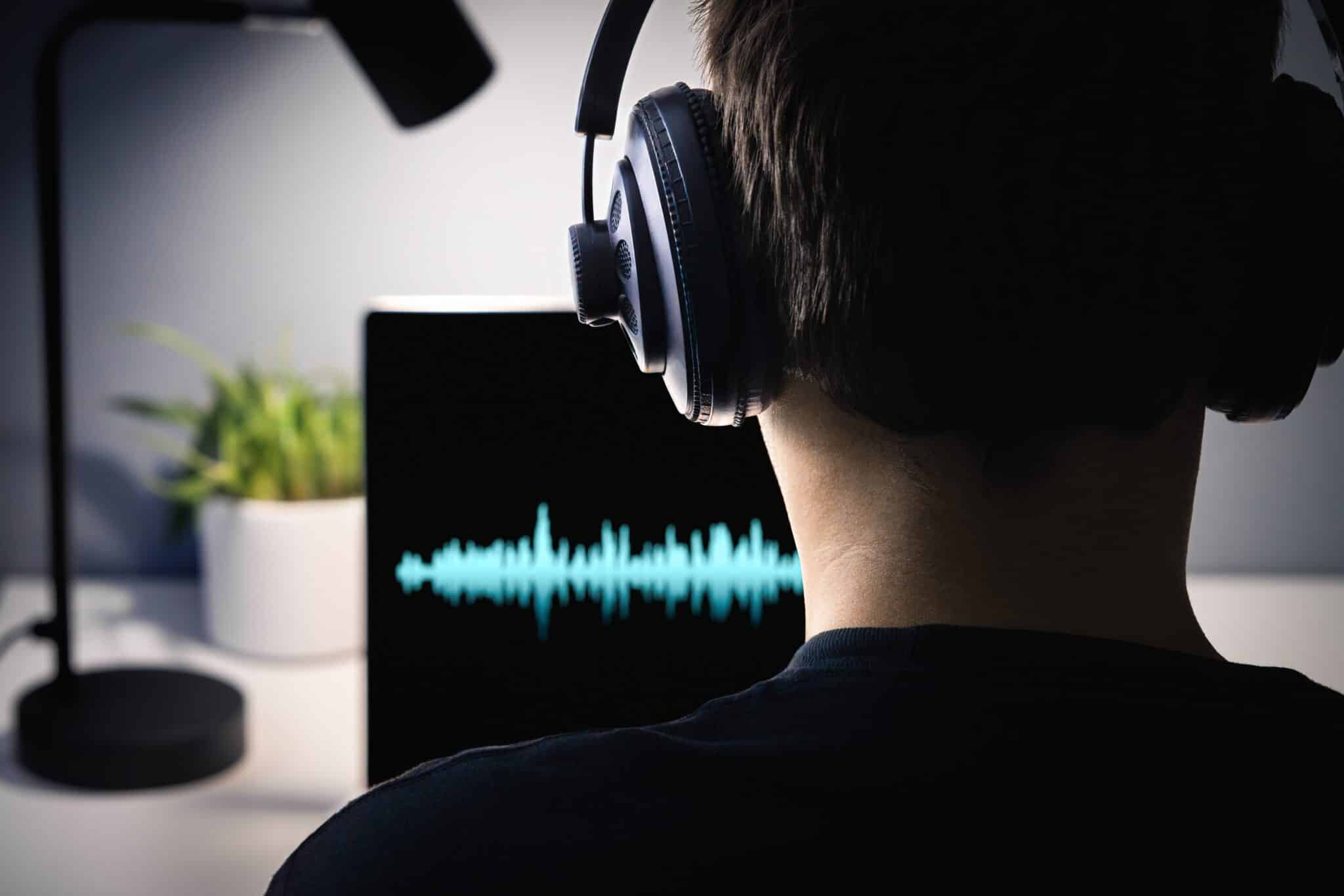
In a move that has sent ripples through the technology and entertainment industries, OpenAI, the powerhouse behind ChatGPT, has quietly completed the acquisition of Weights.gg. This stealthy takeover of a startup specializing in AI-powered voice cloning technology, known for its uncanny ability to replicate the voices of public figures such as Taylor Swift and Samuel L. Jackson, marks a pivotal moment in the evolution of artificial intelligence and its integration into our daily lives. While the financial terms remain undisclosed, the strategic implications are vast, hinting at a future where synthetic voices could become ubiquitous, challenging our perceptions of authenticity and raising a host of ethical dilemmas.
The acquisition, confirmed by sources close to both companies, underscores OpenAI's aggressive push into multimodal AI, extending its capabilities beyond text and image generation into the complex realm of audio. Weights.gg has garnered significant attention, and some controversy, for its sophisticated algorithms that can analyze a short audio sample and generate new speech in the cloned voice with remarkable fidelity. This technology has applications ranging from personalized digital assistants and audiobook narration to gaming and virtual reality, promising a new era of immersive and customized auditory experiences. However, the very power of this technology also brings with it a shadow of potential misuse, sparking debates about consent, intellectual property, and the proliferation of deepfake audio.
The Strategic Play: Why Voice Cloning Matters to OpenAI
OpenAI's interest in Weights.gg is multifaceted. Firstly, it aligns perfectly with the company's long-term vision of creating Artificial General Intelligence (AGI) that can understand and interact with the world in a human-like manner across various modalities. Integrating advanced voice cloning capabilities means OpenAI's AI models can not only generate coherent text and compelling images but also speak with a diverse range of human voices, adding a crucial layer of realism and personalization. Imagine a future where your AI assistant speaks in the voice of your favorite actor, or an educational platform delivers lectures in the voice of a historical figure.
Secondly, the acquisition positions OpenAI to capitalize on the burgeoning market for synthetic media. Industries like entertainment, advertising, and customer service are constantly seeking innovative ways to create engaging content at scale. Voice cloning offers a cost-effective and efficient solution for generating voiceovers, dubbing, and personalized audio messages without the need for human voice actors for every iteration. This could revolutionize podcasting, filmmaking, and even marketing campaigns, allowing for hyper-targeted audio content that resonates deeply with individual consumers.
Furthermore, the move enhances OpenAI's competitive edge against rivals like Google, Meta, and Amazon, all of whom are heavily investing in AI research and development. By acquiring a leader in voice cloning, OpenAI secures proprietary technology and expertise, potentially accelerating its own research into generative audio models and solidifying its position at the forefront of AI innovation. This is not merely about replicating voices; it's about mastering the very fabric of human communication through AI.
Ethical Echoes: Navigating the Deepfake Dilemma
The excitement surrounding this acquisition is tempered by significant ethical concerns, particularly regarding the potential for misuse. Weights.gg's past work, which included cloning celebrity voices without explicit public consent, has already ignited debates about the rights of individuals to control their digital likeness. The ability to generate highly convincing audio of anyone saying anything poses a serious threat to trust and authenticity in the digital sphere.
* Consent and Intellectual Property: Who owns a person's voice? Is it a biometric identifier, a form of intellectual property, or both? The legal frameworks around voice cloning are still nascent and vary widely across jurisdictions. The acquisition by OpenAI, a company with immense resources and influence, puts a spotlight on the urgent need for clear guidelines and regulations to protect individuals from unauthorized voice replication. * Deepfakes and Misinformation: The most alarming potential misuse is the creation of audio deepfakes for malicious purposes, such as spreading misinformation, impersonation for fraud, or even political manipulation. A synthetic audio clip of a public figure making false statements could have devastating real-world consequences. OpenAI, as a leader in responsible AI development, will face immense pressure to implement robust safeguards and ethical frameworks to prevent such abuses. * Impact on Voice Actors: The rise of sophisticated voice cloning technology also raises concerns for professional voice actors, whose livelihoods could be threatened by AI-generated alternatives. While some argue that AI will create new opportunities, the potential for displacement is undeniable, necessitating discussions about fair compensation, licensing, and new roles for human talent in an AI-augmented world.
The Path Forward: Innovation with Responsibility
OpenAI's acquisition of Weights.gg is a clear signal that synthetic audio is no longer a niche technology but a mainstream capability with transformative potential. The challenge for OpenAI, and indeed for the entire AI industry, is to harness this power responsibly. This will require a multi-pronged approach:
1. Robust Ethical Guidelines: Developing and strictly adhering to clear ethical principles for the use of cloned voices, prioritizing consent, transparency, and accountability. 2. Advanced Detection Mechanisms: Investing in research to create tools that can reliably detect AI-generated audio, helping to combat misinformation and fraud. 3. Legal and Policy Advocacy: Engaging with lawmakers and policymakers to help shape sensible regulations that protect individual rights while fostering innovation. 4. Transparency and Education: Educating the public about the capabilities and limitations of AI voice cloning, fostering media literacy in an era of synthetic content.
The integration of Weights.gg's technology into OpenAI's ecosystem promises a future where AI-generated voices are indistinguishable from human ones. This leap forward holds immense promise for accessibility, creativity, and personalized experiences. However, it also demands an unprecedented level of vigilance and ethical consideration. As OpenAI expands its dominion over the digital senses, the world watches, hoping that the pursuit of innovation will be balanced by an unwavering commitment to human values and societal well-being. The quiet acquisition of Weights.gg may just be the opening act in a much larger drama about the future of human-AI interaction, where the very sound of our voices could be both a tool for empowerment and a vector for deception. The onus is now on OpenAI to lead this narrative responsibly, ensuring that the echoes of innovation resonate with integrity. The global conversation around AI ethics has just found a powerful new voice, or rather, a multitude of them. This pivotal moment underscores the urgent need for a global dialogue on how we collectively manage the profound capabilities of AI, ensuring that its benefits are maximized while its risks are meticulously mitigated. The silent acquisition speaks volumes about the challenges and opportunities ahead. Its reverberations will be felt across industries, from Hollywood to the halls of government, as we grapple with the implications of an AI that can truly speak in any voice imaginable.
Stay Informed
Get the world's most important stories delivered to your inbox.
No spam, unsubscribe anytime.
Comments
No comments yet. Be the first to share your thoughts!