Pakistan Urges SCO: A United Front Against Terrorism, Extremism, and Drug Trafficking
Pakistan has called for robust, coordinated action within the Shanghai Cooperation Organisation (SCO) to combat terrorism, extremism, and drug trafficking. During high-level consultations in Moscow, Islamabad emphasized the need for collective security strategies to address these complex, interconnected threats. This push highlights the growing regional instability and the imperative for member states to strengthen intelligence sharing and operational cooperation. The initiative seeks to foster a more secure and stable Central Asian and broader Eurasian landscape.
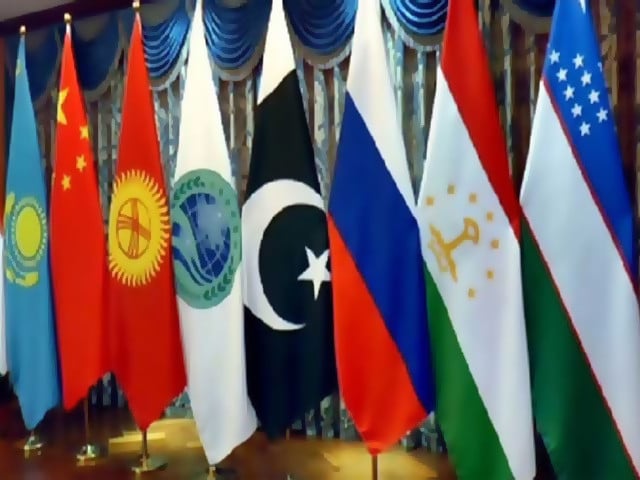
In a significant diplomatic move, Pakistan has intensified its call for a more cohesive and potent response from the Shanghai Cooperation Organisation (SCO) against the escalating threats of terrorism, extremism, and drug trafficking. During recent consultations held at the Russian Foreign Ministry in Moscow, Islamabad underscored the urgent need for member states to forge a united front, recognizing the intricate links between these destabilizing forces that continue to plague the Eurasian region.
The discussions, which brought together senior officials from SCO member states, served as a critical platform for Pakistan to articulate its concerns and propose concrete mechanisms for enhanced cooperation. The country's stance reflects a growing apprehension over the resurgence of militant groups, the insidious spread of extremist ideologies, and the pervasive network of drug cartels that often finance illicit activities, thereby undermining regional peace and stability. This proactive engagement by Pakistan signals a strategic alignment with the SCO's foundational principles of mutual trust and shared security, aiming to translate rhetoric into tangible, coordinated action.
The Interconnected Web of Threats
Terrorism, extremism, and drug trafficking are not isolated phenomena; they form a complex, interconnected web that feeds off instability and fuels further conflict. Terrorist organizations often rely on drug trafficking for funding, while extremist ideologies provide the narrative justification for their violent acts. This symbiotic relationship creates a formidable challenge for national security agencies and international bodies alike. Pakistan, having been a frontline state in the war against terror for decades, possesses firsthand experience in battling these multifaceted threats. Its advocacy within the SCO is therefore rooted in a deep understanding of the operational realities and the critical need for a holistic, cross-border approach.
The geographical location of many SCO member states, particularly those in Central Asia, places them at the nexus of major drug routes originating from Afghanistan. The illicit drug trade not only generates vast sums for criminal and terrorist networks but also contributes to social decay, public health crises, and corruption within state institutions. Simultaneously, the rise of various extremist groups, often leveraging modern communication technologies, poses a significant ideological challenge, recruiting vulnerable individuals and spreading narratives that undermine social cohesion and democratic values. Pakistan's emphasis on tackling all three aspects simultaneously is a testament to its comprehensive understanding of the problem.
SCO's Role and Historical Context
The Shanghai Cooperation Organisation, established in 2001, was initially conceived to address security concerns, particularly terrorism, separatism, and extremism, collectively known as the "three evils." Over the years, its mandate has broadened to include economic cooperation, cultural exchange, and regional development. However, security remains a cornerstone of its agenda. The SCO's Regional Anti-Terrorist Structure (RATS) is a key mechanism designed to facilitate information sharing and coordinate joint counter-terrorism exercises among member states.
Historically, the SCO has conducted numerous joint military drills and intelligence-sharing initiatives, demonstrating a commitment to collective security. However, the rapidly evolving nature of threats, particularly the adaptability of terrorist groups and the increasing sophistication of drug networks, necessitates a constant re-evaluation and enhancement of existing strategies. Pakistan's call for "stronger collective action" implies a desire to move beyond routine cooperation towards more integrated, proactive, and intelligence-driven operations. This includes strengthening RATS, improving real-time intelligence exchange, and developing joint operational capabilities to preempt and neutralize threats effectively.
Pakistan's Strategic Imperatives and Regional Implications
Pakistan's vocal stance within the SCO is driven by several strategic imperatives. Firstly, the country continues to grapple with cross-border terrorism, with groups operating from neighboring territories posing a persistent threat. Enhanced SCO cooperation could provide a more robust framework for addressing these external dimensions of its security challenges. Secondly, as a significant player in regional connectivity initiatives like the China-Pakistan Economic Corridor (CPEC), Pakistan has a vested interest in ensuring a stable and secure environment for economic development and trade. The presence of terrorism and drug trafficking directly impedes such progress.
For the broader region, a more unified SCO approach could lead to several positive outcomes:
* Enhanced Border Security: Coordinated efforts to patrol and secure shared borders, particularly those adjacent to Afghanistan, could significantly disrupt the movement of militants and illicit goods. * Improved Intelligence Sharing: Real-time exchange of intelligence on terrorist financing, recruitment networks, and drug routes would enable more effective interdiction and prevention. * Joint Operations: Collaborative military and law enforcement operations, including training and capacity building, could strengthen the collective response capabilities of member states. * Counter-Narrative Development: A unified front against extremist ideologies could involve joint campaigns to promote moderation, tolerance, and peaceful coexistence.
The Path Forward: Challenges and Opportunities
While the call for stronger action is clear, translating it into effective policy faces several challenges. These include varying national interests among member states, differing definitions of what constitutes a 'terrorist group,' and the complexities of coordinating actions across diverse political and military systems. Furthermore, the geopolitical dynamics within the SCO, particularly involving major powers like China and Russia, can sometimes influence the pace and scope of collective initiatives.
However, the opportunities for enhanced cooperation are equally significant. The shared threat perception among SCO members, particularly concerning regional stability and economic development, provides a strong impetus for collaboration. Pakistan's initiative can serve as a catalyst for a renewed commitment to the SCO's security mandate, potentially leading to:
* Development of common databases for tracking terrorists and drug traffickers. * Harmonization of legal frameworks to facilitate extradition and mutual legal assistance. * Increased funding and resources for RATS and other security-focused mechanisms. * Regular high-level security dialogues to ensure continuous strategic alignment.
In conclusion, Pakistan's impassioned plea for stronger, coordinated SCO action against terrorism, extremism, and drug trafficking underscores a critical juncture for regional security. As the geopolitical landscape continues to evolve, the ability of multilateral organizations like the SCO to adapt and respond effectively to these complex threats will be paramount. A truly united front, characterized by unwavering commitment and practical cooperation, is not merely an aspiration but an absolute necessity for fostering lasting peace and prosperity across Eurasia. The Moscow consultations have laid the groundwork; the onus is now on member states to build upon this momentum and deliver a decisive blow against the forces of instability.
Stay Informed
Get the world's most important stories delivered to your inbox.
No spam, unsubscribe anytime.
Comments
No comments yet. Be the first to share your thoughts!