Phelan's Defiance: The Inside Story of a Navy Secretary's Ouster and Presidential Intervention
Former Navy Secretary John Phelan reportedly refused to vacate his position after being dismissed by Hegseth, seeking direct intervention from President Donald Trump. This extraordinary standoff highlights the complex power dynamics within the Trump administration and raises questions about civilian control over the military. The incident underscores a pattern of high-level departures and internal dissent, revealing a turbulent period for the Pentagon's leadership.
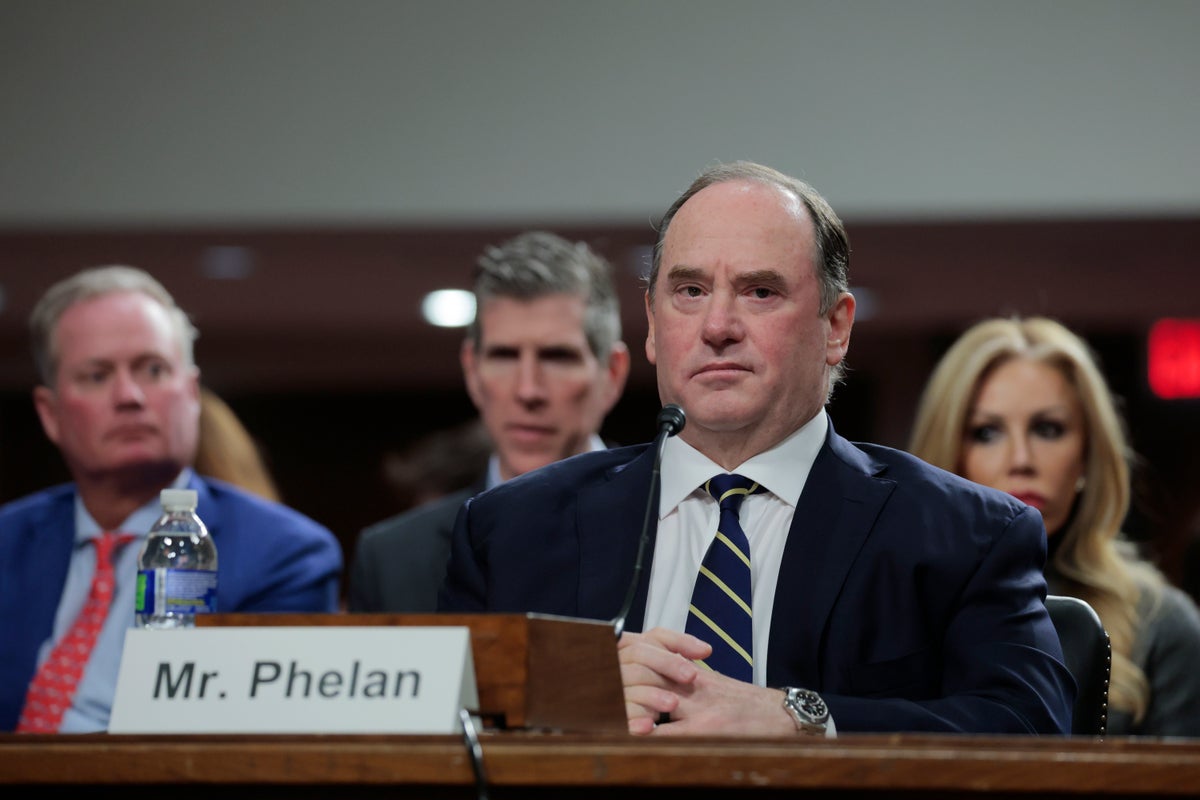
The corridors of power in Washington D.C. are no stranger to political drama, but few episodes have captured the raw tension and unconventional dynamics of the Trump administration quite like the ousting of Navy Secretary John Phelan. What began as a reported dismissal by Hegseth escalated into an extraordinary standoff, with Phelan reportedly refusing to leave his post until he received a direct order from President Donald Trump himself. This unprecedented defiance, detailed by sources close to The Wall Street Journal, offers a revealing glimpse into the chaotic inner workings of the White House and the delicate balance of civilian-military relations.
Sources indicate that Phelan spent a tense Wednesday night in the White House, a period during which he reportedly sought to appeal directly to the President to retain his position. This act of insubordination, or perhaps desperate loyalty, underscores a significant challenge to the traditional chain of command and highlights the unique personal fealty often demanded within the Trump orbit. The incident, which saw Phelan ultimately comply only after a direct presidential directive, reverberates through the Pentagon and beyond, prompting questions about leadership stability and the future of military command under such volatile conditions.
A Pattern of Departures and Presidential Intervention
The Phelan episode is not an isolated incident but rather fits into a broader pattern of high-profile departures and direct presidential interventions in military and defense matters during the Trump administration. From the abrupt dismissal of Secretary of Defense Mark Esper to numerous changes at the highest echelons of military command, the period has been characterized by a fluidity in leadership rarely seen in modern American history. This constant churn, often fueled by perceived disloyalty or policy disagreements, has raised concerns among defense analysts about its impact on national security and institutional stability.
Historically, the relationship between the President and military leadership is governed by established protocols and a clear chain of command. While the President, as Commander-in-Chief, holds ultimate authority, decisions regarding the appointment and dismissal of service secretaries typically follow a structured process involving the Secretary of Defense. Phelan's reported direct appeal to Trump, bypassing Hegseth and potentially the Secretary of Defense, represents a significant deviation from these norms, suggesting a personalized approach to governance that often circumvented traditional bureaucratic channels. This approach, while perhaps demonstrating the President's decisive nature to his supporters, often created confusion and undermined established authority within the executive branch.
The Role of Hegseth and the Chain of Command
The reports suggest that Phelan's initial dismissal came from Hegseth, whose exact role and authority in this context warrant closer examination. Without further clarification, it's unclear whether Hegseth was acting on direct presidential orders, or if this was an attempt to exert influence that Phelan chose to resist. Regardless, Phelan's subsequent refusal to comply and his direct appeal to the President effectively bypassed the immediate authority of Hegseth and potentially the Secretary of Defense, creating a direct line of communication and decision-making that is highly unusual.
This incident highlights the fragility of the chain of command when personal relationships and perceived loyalty supersede established protocols. In a military context, a clear and respected chain of command is paramount for operational effectiveness and morale. Any perceived ambiguity or direct intervention that undermines intermediate authorities can have far-reaching consequences, potentially leading to confusion, resentment, and a breakdown in discipline. The Phelan case serves as a stark reminder of the importance of maintaining clear lines of authority, even in the most politically charged environments.
Implications for Civilian Control and Military Morale
The principle of civilian control of the military is a cornerstone of American democracy. It ensures that elected officials, representing the will of the people, ultimately guide defense policy. However, the manner in which Phelan's departure unfolded raises questions about the health of this principle. When a service secretary feels compelled to appeal directly to the President, bypassing the Secretary of Defense, it suggests a potential erosion of the traditional buffers and institutional processes designed to ensure orderly transitions and policy implementation. This can lead to a more politicized military leadership, where loyalty to a specific individual might be prioritized over adherence to institutional norms or strategic objectives.
Furthermore, such public displays of internal conflict can have a detrimental effect on military morale. Service members, from the highest ranks to the enlisted personnel, rely on stable and predictable leadership. When senior leaders are perceived to be in constant flux, or when their departures are shrouded in controversy and defiance, it can foster uncertainty and erode trust in the leadership structure. The Navy, in particular, requires strong, consistent leadership to navigate complex global challenges, from maintaining naval superiority to responding to international crises. A turbulent leadership environment can distract from these critical missions and undermine the confidence of those serving.
Expert Analysis and Future Outlook
Defense analysts have widely commented on the implications of such incidents. Many view Phelan's defiance and the subsequent presidential intervention as symptomatic of an administration that often prioritized personal loyalty over institutional process. "This kind of direct, personal intervention, bypassing established layers of authority, creates instability," noted one former Pentagon official. "It signals to the entire defense establishment that the traditional rules of engagement might not apply, which can be deeply unsettling."
Looking forward, the Phelan episode serves as a cautionary tale for future administrations. The importance of respecting institutional norms and the established chain of command cannot be overstated. While presidents naturally exert significant influence, the manner in which that influence is exercised can either strengthen or weaken the foundational pillars of governance. A stable and effective defense apparatus relies on clear lines of authority, predictable processes, and leaders who command respect through both their positions and their adherence to established protocols.
In conclusion, the saga of Navy Secretary John Phelan's ouster is more than just a story of a single individual's departure. It is a microcosm of a larger narrative concerning power, loyalty, and the delicate balance of authority within the highest levels of government. It underscores the challenges faced when traditional structures are tested by unconventional leadership styles, leaving a lasting impact on the institutions designed to protect the nation. The incident will undoubtedly be studied for years to come as a case study in presidential power and the resilience – or fragility – of America's civilian-military relationship.
Stay Informed
Get the world's most important stories delivered to your inbox.
No spam, unsubscribe anytime.
Comments
No comments yet. Be the first to share your thoughts!