Pixel 10a vs. iPhone 17e: Google's Aggressive Pricing Disrupts Mid-Range Smartphone Market
Google's Pixel 10a is now significantly more affordable than Apple's iPhone 17e, signaling an aggressive strategy to dominate the mid-range smartphone segment. With a 10% discount and attractive trade-in offers on Amazon, the Pixel 10a presents a compelling value proposition for consumers seeking premium features without the premium price tag. This move intensifies the competition, forcing industry giants to rethink their pricing and feature distribution across their device lineups.
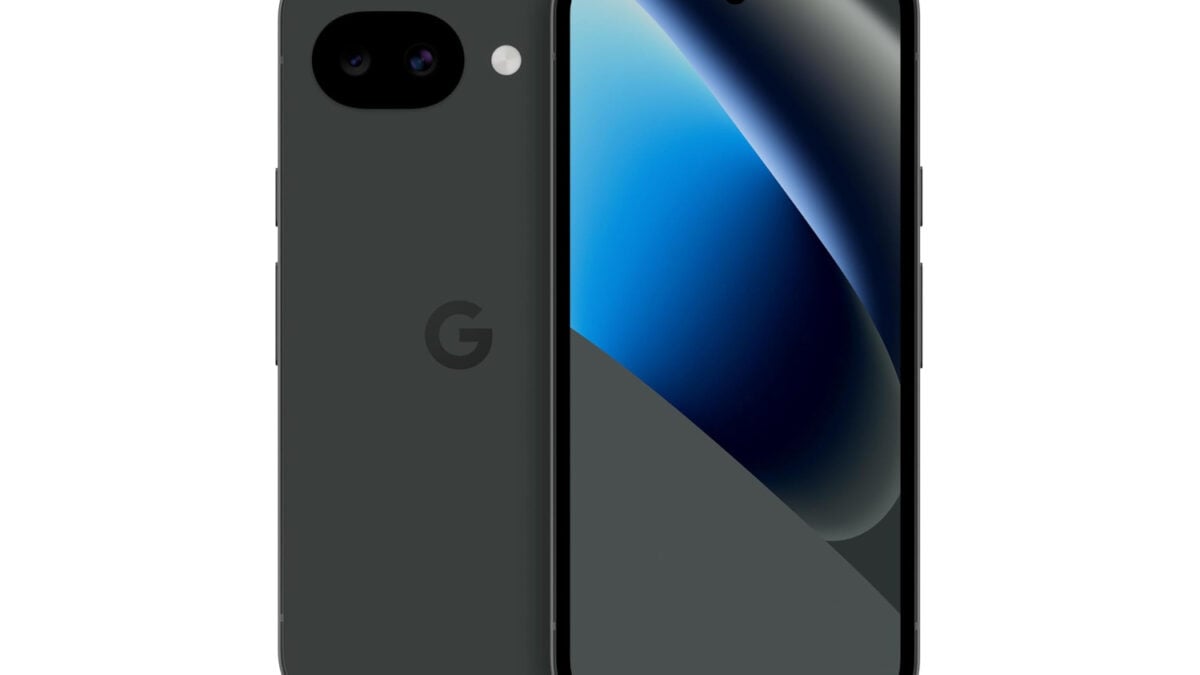
For years, the smartphone market presented a stark dichotomy: either you splurged on a flagship device with cutting-edge technology, or you settled for a budget option that often compromised on performance and user experience. The notion that quality came with an exorbitant price tag was deeply ingrained, particularly when eyeing devices from tech titans like Apple and Samsung. However, a seismic shift is underway, spearheaded by Google's increasingly aggressive strategy with its Pixel lineup, particularly evident in the recent pricing of the Pixel 10a.
In a move that has sent ripples through the industry, the Pixel 10a is now not only competitively priced but, remarkably, cheaper than Apple's hypothetical iPhone 17e. This isn't just a minor adjustment; it's a bold declaration of intent from Google, leveraging platforms like Amazon with enticing offers, including a 10% discount and substantial trade-in values. This strategic maneuver is reshaping consumer expectations and forcing competitors to re-evaluate their positions in the lucrative mid-range segment.
The Shifting Sands of Smartphone Value
The traditional smartphone hierarchy, where price directly correlated with quality, has been steadily eroding. Brands like OnePlus, Xiaomi, and even Samsung with its 'A' series, have long chipped away at the premium barrier, offering robust features at more accessible price points. Google, however, is taking this disruption a step further. The Pixel 'a' series has consistently been lauded for bringing flagship-level camera performance and software experience to a more budget-friendly tier. The 10a, in particular, seems to be the culmination of this strategy, offering a sophisticated Tensor chip, Google's renowned computational photography, and a clean Android experience, all at a price point that undercuts direct competitors and even anticipated future budget iPhones.
This aggressive pricing isn't merely about selling more units; it's about establishing the Pixel brand as a formidable contender beyond the niche enthusiast market. By making advanced AI capabilities and a seamless software experience available to a wider audience, Google is building a stronger ecosystem and challenging the long-held perception that only premium devices can deliver a truly satisfying smartphone experience. The 10a's current market position, especially with the Amazon deals, positions it as an undeniable value champion.
Google's Ecosystem Play: Beyond Just Hardware
Google's strategy extends far beyond the physical device. The Pixel line is the purest embodiment of Android, showcasing the operating system as Google intends it to be experienced. This integration allows for unparalleled software optimization, timely updates, and exclusive features powered by Google's artificial intelligence. The affordability of the Pixel 10a means more users can access this optimized experience, thereby expanding Google's user base for its services, from Google Photos to Google Assistant and beyond.
Historically, Apple has maintained a tight grip on its ecosystem, with even its more 'affordable' iPhones (like the SE series) commanding a premium relative to their specifications compared to Android counterparts. While the iPhone offers unmatched integration within the Apple ecosystem, Google is banking on the sheer value and open nature of Android, enhanced by its proprietary AI, to attract new users. The Pixel 10a serves as an accessible gateway to this rich, AI-driven environment, potentially converting users who might have previously felt priced out of a 'premium' smartphone experience.
The Impact on the Competition: Apple and Samsung Under Pressure
The competitive landscape is undoubtedly feeling the heat. For Apple, the Pixel 10a's aggressive pricing, particularly against a hypothetical iPhone 17e, poses a significant challenge. Apple's strategy has traditionally relied on brand loyalty, perceived premium quality, and a robust ecosystem. However, as the gap in core features narrows and price becomes a more dominant factor for many consumers, Apple may be forced to re-evaluate its entry-level iPhone pricing or enhance the value proposition of its more affordable models.
Samsung, a dominant player in the Android space, also faces intensified competition. While Samsung offers a vast array of devices across all price points, the Pixel 10a's unique combination of Google's software prowess, Tensor chip performance, and competitive pricing could siphon off market share, especially from Samsung's mid-range Galaxy A series. This could lead to a pricing war or an acceleration of feature integration in mid-tier devices across the board, ultimately benefiting consumers.
Key takeaways for consumers and the industry:
* Democratization of Features: High-end features like advanced computational photography and powerful AI are becoming standard in mid-range devices. * Value Proposition Shift: Price-to-performance ratio is increasingly important, challenging traditional brand loyalty. * Ecosystem Battle: Google is using hardware affordability to expand its software and AI ecosystem. * Increased Competition: Expect more aggressive pricing and feature innovation from all major players.
The Road Ahead: A More Accessible Future?
This strategic pivot by Google with the Pixel 10a heralds a promising future for smartphone consumers. The days of needing to spend a fortune for a truly capable and enjoyable smartphone experience are rapidly fading. The current offers on Amazon, making the Pixel 10a even more accessible, are not just temporary sales tactics; they are indicative of a broader industry trend towards making advanced technology available to a wider demographic.
As Google continues to refine its Tensor chip and integrate more AI functionalities directly into the Pixel hardware and software, the 'a' series will likely remain a critical pillar of its market strategy. This focus on value, coupled with Google's relentless innovation in AI and software, positions the Pixel 10a as a significant disruptor. It's a clear signal that the future of smartphones isn't just about who can build the most expensive device, but who can deliver the most compelling experience at the most accessible price. For consumers, this means more choice, better features, and ultimately, more value for their hard-earned money. The Pixel 10a isn't just a phone; it's a statement about the evolving landscape of mobile technology.
Stay Informed
Get the world's most important stories delivered to your inbox.
No spam, unsubscribe anytime.
Comments
No comments yet. Be the first to share your thoughts!