Pixel 11's Radical Redesign: A 'Glow-Down' or a Bold New Direction for Smartphones?
Google's upcoming Pixel 11 is poised to challenge conventional smartphone aesthetics with a rumored 'glow-down' design, potentially featuring glow-in-the-dark elements while maintaining a familiar form factor. This bold move could redefine user interaction and brand identity in a saturated market. We delve into the implications of this design philosophy and what it means for the future of mobile technology.
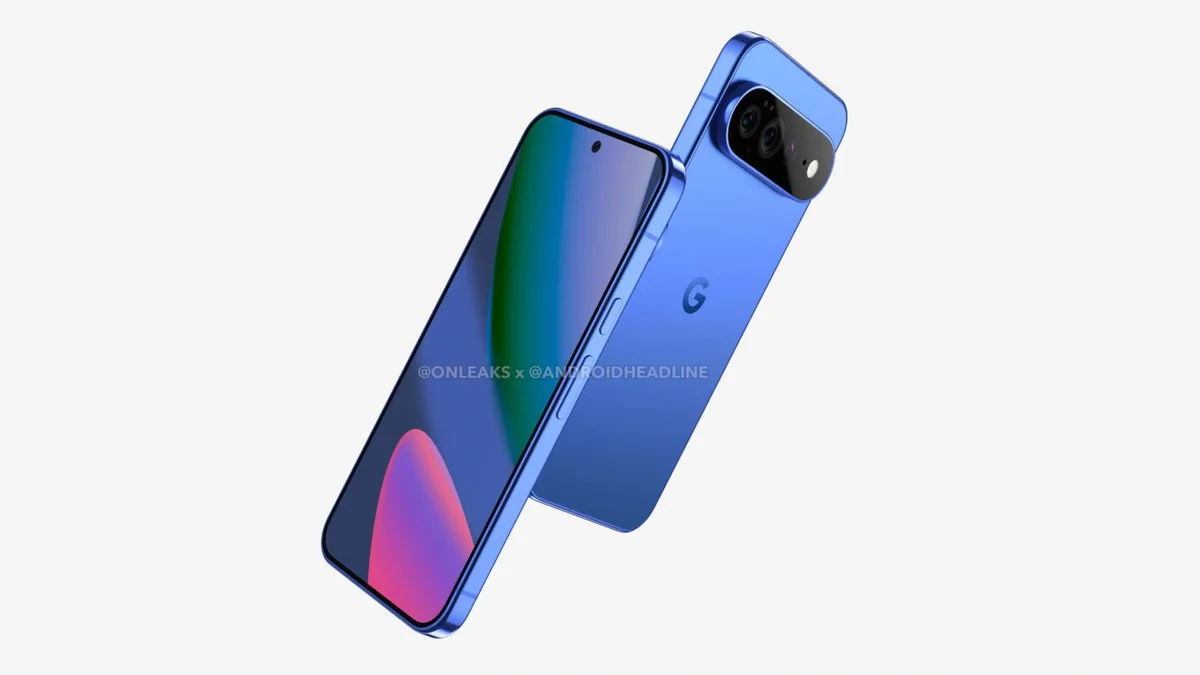
In an era where every new smartphone promises revolutionary features and sleek, often indistinguishable designs, Google appears ready to disrupt the status quo with its anticipated Pixel 11. Rumors swirling around the tech world suggest that the Pixel 11, while retaining a familiar silhouette reminiscent of its predecessor, the Pixel 10, is slated for a radical aesthetic departure: a 'glow-down.' This isn't about dimming its appeal but rather embracing a distinct, perhaps even playful, design element that could see the device literally glowing in the dark.
For years, smartphone manufacturers have chased an elusive ideal of minimalist perfection, often resulting in a sea of glass and metal slabs that, while beautiful, lack individual character. Apple's iPhone, Samsung's Galaxy, and even Google's earlier Pixel iterations have largely adhered to this unwritten rule. The Pixel 11's rumored glow-in-the-dark feature, if true, represents a significant pivot, challenging the very notion of what a premium smartphone should look and feel like. It's a move that could either be hailed as visionary or dismissed as a gimmick, but one thing is certain: it won't be ignored.
The Evolution of Smartphone Aesthetics: From Brick to Bezel-Less
The journey of smartphone design has been a fascinating one, marked by rapid innovation and shifting trends. In the early 2000s, phones were utilitarian devices, often chunky and adorned with physical keypads. The advent of the original iPhone in 2007 ushered in the era of the touchscreen, fundamentally altering user interaction and design priorities. Suddenly, screens became paramount, and bezels began their slow, inevitable retreat. Manufacturers competed to make devices thinner, lighter, and more visually immersive.
Over the past decade, this pursuit of sleekness has led to a remarkable convergence in design. Most flagship phones today feature large, edge-to-edge OLED displays, sophisticated camera bumps, and premium finishes. While this has undoubtedly improved user experience, it has also led to a certain homogeneity. Distinguishing one high-end device from another often requires a keen eye for subtle differences in camera array placement or logo design. This uniformity, while reflecting technological maturity, also presents a challenge for brands seeking to stand out in a fiercely competitive market. Google's rumored 'glow-down' could be interpreted as a direct response to this design stagnation, an attempt to inject personality and unique identity back into the smartphone form factor.
Beyond Aesthetics: The Practical and Psychological Impact of a 'Glow-Down'
While a glow-in-the-dark phone might initially sound like a novelty, its implications could extend beyond mere aesthetics. Practically, such a feature could offer tangible benefits. Imagine fumbling for your phone in a dimly lit room, a dark car, or even during a power outage. A subtle glow could make retrieval significantly easier, adding an unexpected layer of utility. It could also enhance safety in certain scenarios, making a device more visible in low-light conditions, perhaps even serving as a subtle beacon during emergencies.
Psychologically, the impact could be even more profound. In a world saturated with digital distractions, the very act of a phone glowing in the dark could serve as a visual cue, a playful reminder of its presence, or even a conversation starter. It taps into a primal fascination with light and luminescence, reminiscent of childhood toys or futuristic gadgets. This design choice could foster a stronger emotional connection with the device, moving it beyond a purely functional tool to something more akin to a personal statement or an extension of one's personality. For a brand like Google, which often emphasizes user experience and intuitive design, this could be a calculated move to differentiate the Pixel line not just through software prowess but also through a distinctive physical presence.
Google's Design Philosophy: A History of Bold Strokes and Iterative Refinements
Google's hardware journey has been characterized by a blend of bold experimentation and steady refinement. From the early Nexus devices to the current Pixel lineup, the company has consistently pushed boundaries, particularly in areas like computational photography and AI integration. However, its design language has often been more iterative than revolutionary, tending to follow established industry trends rather than setting entirely new ones. The Pixel's signature two-tone back, for instance, was a distinctive touch, but its overall form factor has remained largely conventional.
If the 'glow-down' rumors hold true, the Pixel 11 would mark a significant departure from this pattern. It would signal a willingness to embrace unconventional materials or finishes that prioritize unique user interaction over pure minimalist sleekness. This aligns with a broader trend in consumer electronics where personalization and expressive design are gaining traction. We've seen companies experiment with foldable screens, modular components, and vibrant color palettes. A glow-in-the-dark phone could be Google's entry into this more adventurous design territory, aiming to capture the imagination of users who are tired of generic-looking devices and crave something truly different. It also plays into Google's brand identity, which often projects an image of innovation, playfulness, and user-centricity.
The Market Response and Future Implications for Smartphone Design
The success or failure of the Pixel 11's rumored design will undoubtedly send ripples through the entire smartphone industry. If it resonates with consumers, we could see other manufacturers explore similar unconventional aesthetic elements, leading to a more diverse and exciting design landscape. Conversely, if it's perceived as a misstep, it might reinforce the industry's cautious approach to design innovation.
Beyond the immediate sales figures, the Pixel 11's 'glow-down' could spark a broader conversation about the role of design in technology. Is it merely about functionality and efficiency, or should it also encompass elements of joy, surprise, and personal expression? In a world where our phones are almost constant companions, their physical form takes on increasing significance. A device that glows in the dark might seem trivial, but it could symbolize a shift towards more imaginative and user-centric design philosophies, where technology is not just about raw power but also about how it integrates into and enriches our daily lives in unexpected ways.
Ultimately, the Pixel 11's rumored design is more than just a superficial tweak; it's a statement. It's Google's potential declaration that in a market reaching peak saturation, differentiation can come from unexpected places. Whether it truly ignites a new trend or remains a unique Pixel quirk, it undeniably adds a fascinating chapter to the ongoing story of smartphone evolution, urging us to reconsider our relationship with these ubiquitous devices and the subtle ways they can surprise and delight us. The future of smartphones might just be a little brighter, even in the dark.
Stay Informed
Get the world's most important stories delivered to your inbox.
No spam, unsubscribe anytime.
Comments
No comments yet. Be the first to share your thoughts!