PlayStation Levels Up Transparency: Weekly Player Counts Arrive, Bridging the Console-PC Data Divide
Console gamers have long envied PC players' access to real-time player data. Now, PlayStation is beta-testing a new feature, offering Steam Charts-style weekly player counts and trending game lists. This move promises unprecedented transparency for the console market, empowering players, developers, and analysts alike. It marks a significant shift in how console game popularity is measured and understood.
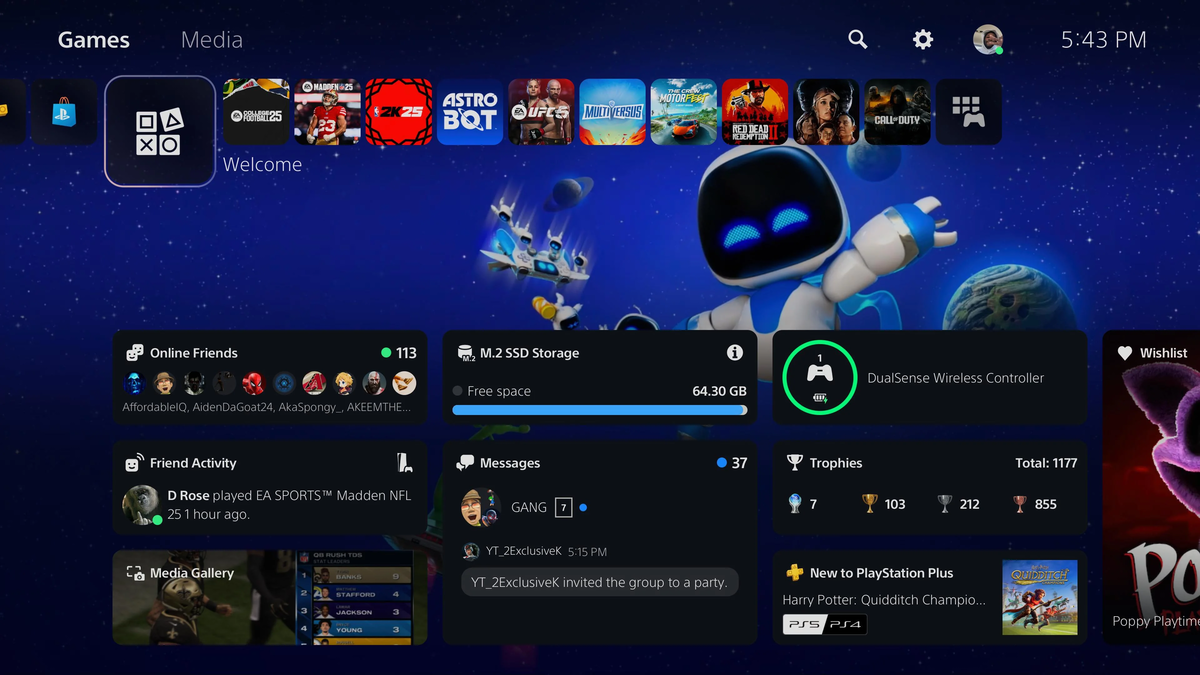
For years, a stark divide has existed in the gaming world: PC players, armed with tools like Steam Charts and SteamDB, have enjoyed granular access to real-time player counts, historical data, and trending game statistics. Console gamers, however, have largely navigated a landscape of speculation, relying on anecdotal evidence, developer-provided milestones, or opaque in-game metrics. This information asymmetry has been a source of frustration for enthusiasts, a challenge for market analysts, and a blind spot for developers seeking to understand their audience's engagement beyond sales figures. But the tide is finally turning. PlayStation, a titan in the console industry, is now reportedly rolling out a beta feature that promises to bring Steam Charts-style weekly player counts directly to its users, offering a level of transparency previously unimaginable on consoles.
This groundbreaking initiative, currently in its beta phase and seemingly limited to select countries, introduces a widget with two primary modes: a "Top 10 weekly players" list and a "Trending Now" section. While the full scope and eventual global rollout remain to be seen, the implications of this move are profound, potentially reshaping how console games are perceived, marketed, and developed. It's a clear signal that PlayStation is listening to its community and recognizing the value of data-driven insights, not just for internal use but for public consumption.
The Long Shadow of Data Opacity on Consoles
The absence of public player count data on consoles has been a defining characteristic of the ecosystem. Unlike the PC market, where Valve's open APIs have fostered a vibrant ecosystem of data analysis tools, Sony and Microsoft have historically maintained tight control over such metrics. This opacity has had several consequences. For players, it meant a lack of objective information when deciding which games to invest their time and money in, often leading to reliance on review scores or word-of-mouth. A game might sell millions of copies, but without knowing how many people are actively playing it week-to-week, its true longevity and community engagement remained a mystery. This made it difficult to identify truly thriving online communities or anticipate the decline of a once-popular title.
For developers and publishers, the lack of public data created a less competitive, albeit more controlled, environment. While they certainly possessed internal metrics, the absence of publicly verifiable benchmarks meant that success narratives could be more easily shaped without external scrutiny. It also complicated competitive analysis and the identification of emerging trends. The PC market, by contrast, has seen a constant arms race of innovation and engagement, partly fueled by the immediate feedback loop provided by player count data. A sudden surge in a competitor's numbers could trigger rapid strategic adjustments, something far harder to do when operating in the dark.
What This Means for Players and the Industry
The introduction of weekly player counts on PlayStation is a game-changer in every sense of the word. For players, it offers an unprecedented level of insight. Imagine being able to see, at a glance, which games are truly dominating the PlayStation ecosystem, not just in terms of sales, but in active engagement. This empowers informed decision-making, allowing players to: * Identify thriving communities: Easily find games with large, active player bases for multiplayer experiences. * Gauge game longevity: Understand if a game is retaining its audience over time. * Discover hidden gems: Spot titles that might not have topped sales charts but are capturing significant player attention. * Make informed purchase decisions: Avoid investing in games with rapidly dwindling player counts.
For the industry, the implications are equally significant. Developers will now have a clearer, public benchmark for their games' performance, fostering a new era of transparency and accountability. This could lead to: * Increased competition based on engagement: Publishers might shift focus from purely sales-driven metrics to sustained player retention. * Better resource allocation: Developers can more accurately assess which genres or mechanics are resonating with players. * Enhanced marketing strategies: Campaigns can be tailored to highlight active player communities and trending status. * More robust market analysis: Analysts will have richer data to understand console gaming trends, potentially leading to more accurate forecasts and investment decisions.
The "Trending Now" Factor and Future Prospects
The inclusion of a "Trending Now" section is particularly intriguing. While "Top 10 weekly players" provides a snapshot of current popularity, "Trending Now" suggests a more dynamic algorithm, potentially highlighting games experiencing sudden surges in activity, perhaps due to updates, events, or viral moments. This could be a powerful discovery tool, helping players unearth new experiences that are capturing the zeitgeist. It also offers a potential lifeline for smaller, indie titles that might not crack the top 10 but are generating significant buzz.
Looking ahead, one can only speculate on the future evolution of this feature. Will it expand beyond the top 10? Will historical data become accessible? Will it integrate with other PlayStation services, perhaps influencing store recommendations or community features? The current beta status suggests that PlayStation is testing the waters, gathering feedback, and refining the experience. It's not unreasonable to expect that, if successful, this initiative could inspire similar moves from competitors like Xbox, further leveling the playing field and bringing a new era of data transparency to the entire console gaming landscape.
A New Era of Console Gaming Transparency
PlayStation's move to introduce Steam Charts-style weekly player counts is more than just a new widget; it's a philosophical shift. It signals a recognition that in today's interconnected gaming world, players demand and deserve more information. By pulling back the curtain on engagement data, PlayStation is not only empowering its users but also pushing the entire console industry towards greater transparency and accountability. This development promises to foster a more informed, competitive, and ultimately, a more vibrant gaming ecosystem for everyone involved. The era of guessing game popularity on consoles is slowly but surely coming to an end, replaced by the clarity of data.
Stay Informed
Get the world's most important stories delivered to your inbox.
No spam, unsubscribe anytime.
Comments
No comments yet. Be the first to share your thoughts!