Rahul Dev's Hindi Language Remarks Spark Debate: Unpacking the Mahesh Babu Controversy
Veteran actor Rahul Dev has ignited a fresh debate in the Indian film industry with recent comments suggesting Telugu superstar Mahesh Babu struggles with Hindi. Made during a podcast, Dev's remarks have gone viral, drawing attention to linguistic divides and the evolving landscape of pan-Indian cinema. This incident reopens discussions on language barriers, cultural perceptions, and the strategic choices actors make in a multi-lingual nation.
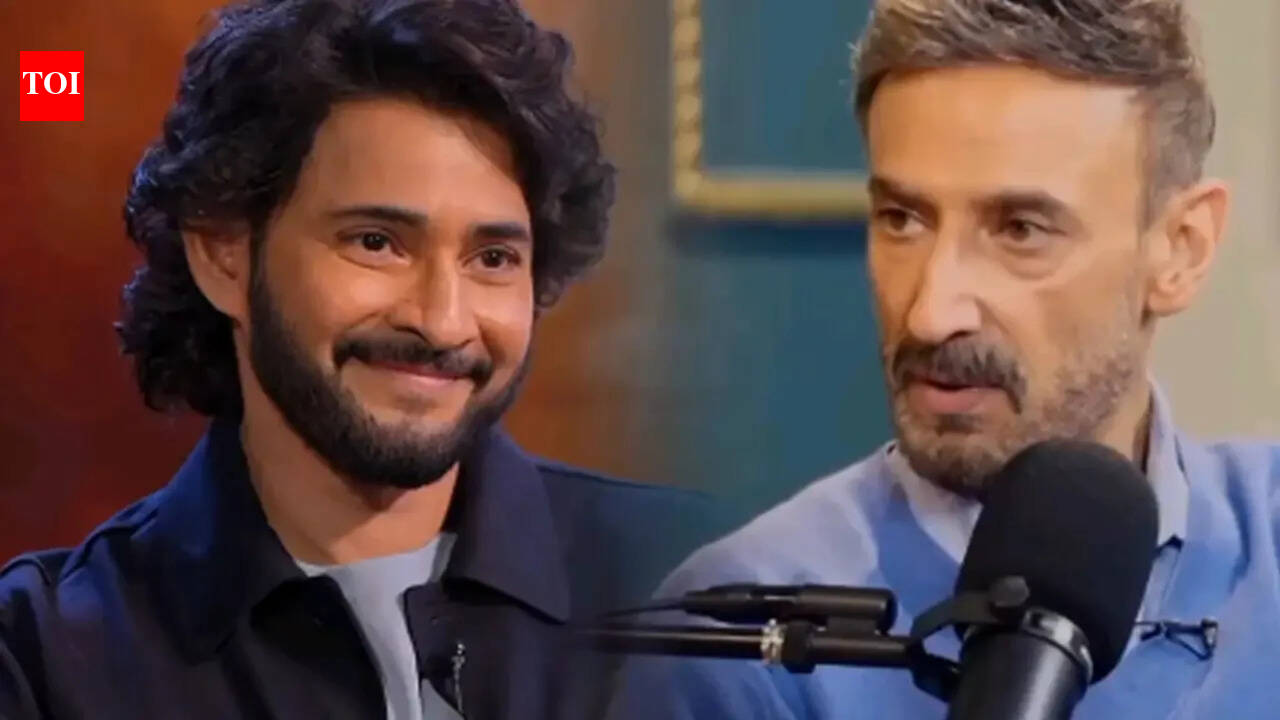
The world of Indian cinema, a vibrant tapestry woven with diverse languages and regional identities, has once again found itself at the center of a linguistic debate. Veteran actor Rahul Dev, known for his powerful performances across various film industries, has inadvertently stirred a hornet's nest with recent comments questioning the Hindi proficiency of Telugu superstar Mahesh Babu. The remarks, made during a podcast appearance, quickly went viral, reigniting discussions about language barriers, the concept of 'pan-Indian' appeal, and the intricate politics of identity within the entertainment sphere.
Dev's statement, suggesting that Mahesh Babu might not be fluent in Hindi, has resonated deeply within an industry constantly grappling with regional pride and national aspirations. While seemingly a casual observation, it has tapped into a broader narrative surrounding the marketability and cultural assimilation of South Indian actors in the Hindi-dominated Bollywood landscape, and vice-versa. This incident is not isolated; it follows a history of similar discussions, most notably Mahesh Babu's own controversial statement in 2022 that "Bollywood cannot afford me," which had previously sparked a nationwide dialogue on regional cinema's growing dominance.
The Genesis of the Controversy: A Podcast Revelation
Rahul Dev's comments emerged during an interview where he was discussing the challenges and opportunities faced by actors who traverse different linguistic film industries. Having worked extensively in Telugu cinema, including notable films like 'Athadu' and 'Pournami', Dev possesses a unique vantage point on the linguistic dynamics at play. When quizzed about Mahesh Babu, a figure who commands immense respect and fan following, Dev's observations about his Hindi speaking ability were interpreted by many as a direct dig. The exact phrasing and context are crucial, but the takeaway for many online commentators was a perceived slight against the Telugu icon.
This isn't the first time an actor's linguistic prowess has become a talking point. In a country with over 22 official languages and hundreds of dialects, language proficiency is often intertwined with cultural identity and professional versatility. For actors, the ability to deliver dialogues authentically in multiple languages can significantly broaden their market reach. However, it also raises questions about whether such proficiency should be a prerequisite for pan-Indian stardom, especially when dubbing and subtitling technologies are more advanced than ever.
Linguistic Divides and Pan-Indian Aspirations
The Indian film industry is fundamentally segmented by language. While Bollywood (Hindi cinema) has historically held a dominant position nationally and internationally, the last decade has seen a significant rise in the prominence of South Indian film industries, particularly Telugu, Tamil, Kannada, and Malayalam cinema. Films like 'Baahubali', 'K.G.F.', 'Pushpa', and 'RRR' have shattered box office records across India, proving that compelling storytelling transcends linguistic boundaries. This phenomenon has given rise to the concept of 'pan-Indian films', movies designed to appeal to a national audience, often released in multiple languages.
Mahesh Babu himself is a prime example of a regional superstar whose films enjoy immense popularity. His earlier statement about Bollywood not affording him was a powerful assertion of the economic and creative strength of Telugu cinema. Rahul Dev's recent comments, therefore, can be seen as touching upon the underlying tensions within this evolving landscape:
* The perceived necessity of Hindi: Is fluency in Hindi still essential for an actor to achieve national recognition, or has the success of dubbed South Indian films shifted this paradigm? * Cultural sensitivity: How do actors from different linguistic backgrounds navigate the expectations of diverse audiences without alienating their core fan base? * The role of dubbing: Has the quality of dubbing improved to a point where original language proficiency becomes less critical for broader appeal?
These questions highlight the complex interplay between language, market strategy, and cultural identity in contemporary Indian cinema. The success of pan-Indian films suggests a growing acceptance of diverse linguistic content, but the debate surrounding individual actors' language skills indicates that the journey towards true linguistic harmony is still ongoing.
The Broader Implications for Actors and Industry
Rahul Dev's remarks, regardless of their intent, underscore several critical implications for actors and the film industry at large:
1. Pressure on Actors: There's an implicit pressure on actors, especially those aspiring for pan-Indian fame, to be multilingual. While commendable, this can be a significant hurdle, potentially limiting talent from reaching wider audiences if language is prioritized over performance. 2. Redefining 'National Star': The traditional definition of a 'national star' was often synonymous with Bollywood success. The rise of South Indian blockbusters is challenging this, suggesting that a star can achieve national status from any regional industry, provided their content resonates. 3. The Dubbing vs. Original Debate: The controversy fuels the ongoing debate about the authenticity of dubbed performances versus actors performing in their non-native languages. While dubbing offers accessibility, some argue it can dilute the original performance or cultural nuances. 4. Cultural Exchange and Integration: On a positive note, these discussions foster greater awareness and appreciation for linguistic diversity. They encourage audiences to engage with films from different regions, promoting a richer cultural exchange across the country.
Experts suggest that the future of Indian cinema lies in embracing this linguistic diversity rather than trying to homogenize it. "The success of films like 'RRR' and 'K.G.F.' demonstrates that audiences are hungry for compelling stories, regardless of the original language," says film critic Anupama Chopra. "While an actor's ability to speak multiple languages is an asset, it shouldn't be a barrier to their potential reach. The industry needs to focus on quality content and effective distribution strategies that honor linguistic originality."
Looking Ahead: Towards a More Inclusive Cinema
The comments by Rahul Dev and the subsequent online discourse serve as a potent reminder of the dynamic and sometimes contentious relationship between language and identity in India's film industry. As Indian cinema continues its global expansion and internal integration, these conversations are vital for shaping a more inclusive and representative future.
Moving forward, the industry might see:
* Increased linguistic training: More actors might invest in learning new languages to broaden their horizons, not just for Hindi but also for major regional languages. * Strategic collaborations: More cross-industry collaborations, where actors and technicians from different linguistic backgrounds work together, fostering mutual understanding and skill sharing. * Focus on universal themes: Filmmakers may increasingly prioritize narratives with universal appeal that can transcend linguistic barriers more easily.
Ultimately, the 'Rahul Dev vs. Mahesh Babu' narrative, while seemingly about a language skill, is a microcosm of a larger cultural shift. It reflects India's journey towards a truly pan-Indian identity, where regional strengths are celebrated, and linguistic diversity is seen as an asset rather than a limitation. The debate, therefore, is not just about who can speak what, but about how a nation of diverse tongues finds its collective cinematic voice, resonating with audiences both at home and across the globe. The conversation will undoubtedly continue, shaping the contours of Indian entertainment for years to come.
Stay Informed
Get the world's most important stories delivered to your inbox.
No spam, unsubscribe anytime.
Comments
No comments yet. Be the first to share your thoughts!