Red Sea Under Siege: Yemen Tanker Hijacking Signals Escalating Maritime Peril
A recent hijacking of the M/T EUREKA oil tanker off Yemen's Shabwa coast by unidentified armed men, now heading towards Somali waters, underscores a dangerous escalation in maritime insecurity. This incident revives fears of piracy in a critical global shipping lane already fraught with geopolitical tensions. Authorities are actively tracking the vessel, raising urgent questions about international response and the future of safe passage in the Gulf of Aden.
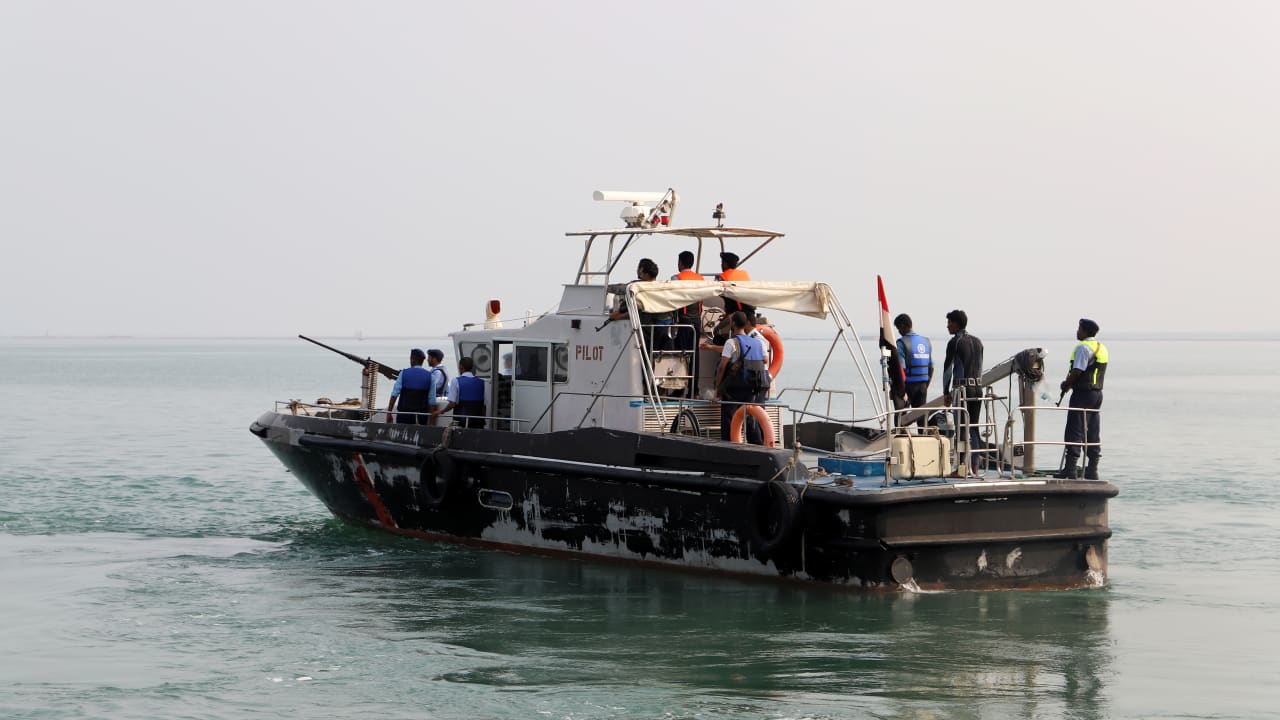
The tranquil blue waters off Yemen's Shabwa coast, a vital artery for global commerce, were shattered by a chilling act of piracy this past Saturday. Unidentified armed men boarded the M/T EUREKA oil tanker, seized control, and began steering it towards the treacherous Gulf of Aden, specifically in the direction of Somali waters. This audacious hijacking, confirmed by Yemen's coast guard, isn't just an isolated incident; it's a stark, alarming signal that maritime peril in one of the world's most strategic waterways is escalating, threatening to unravel years of concerted anti-piracy efforts and further destabilize an already volatile region.
The M/T EUREKA, a vessel carrying a precious cargo, now represents more than just an economic loss; it symbolizes a renewed challenge to international maritime security. The immediate response from Yemeni authorities, stating that the tanker’s location had been identified and efforts were underway to track it, recover it, and ensure the safety of its crew, offers a glimmer of hope. However, the very occurrence of such an event forces a critical re-evaluation of the security architecture in the Red Sea and the Gulf of Aden, a region that connects Europe and Asia and sees billions of dollars in trade pass through daily.
A Troubling Echo of the Past: The Resurgence of Piracy
For years, the international community, led by naval forces from numerous nations, had largely succeeded in suppressing Somali piracy, which reached its peak between 2005 and 2012. During that period, pirates launched hundreds of attacks, held countless sailors hostage, and extorted millions in ransoms, significantly disrupting global shipping and increasing insurance costs. The deployment of multinational task forces, the implementation of best management practices (BMPs) by commercial vessels, and the use of armed security guards on board were instrumental in turning the tide. The last major successful hijacking attributed to Somali pirates was in 2017, leading many to believe the threat had been largely contained.
This latest incident, however, suggests a dangerous regression. While the identity of the hijackers remains unconfirmed, the trajectory towards Somali waters immediately evokes the specter of organized pirate groups operating from the Puntland and Galmudug regions of Somalia. The timing is particularly concerning, as global attention has been heavily focused on the Houthi attacks in the Red Sea, potentially creating a vacuum or diverting resources that traditional pirate groups could exploit. The M/T EUREKA's fate will be a crucial test of whether the international community's anti-piracy capabilities remain robust or if a new, more complex maritime security challenge has emerged.
Geopolitical Crossroads: Yemen's Instability and Regional Dynamics
The hijacking's location off the coast of Shabwa province is also significant. Yemen itself is embroiled in a protracted and devastating civil war, which has created a power vacuum and exacerbated humanitarian crises. The conflict has made large swathes of its coastline vulnerable and difficult to patrol, offering potential havens for illicit activities. While the Houthi rebels have been targeting commercial shipping in the Red Sea as a show of solidarity with Palestinians, this hijacking appears distinct, bearing the hallmarks of traditional piracy for ransom rather than politically motivated attacks.
This incident adds another layer of complexity to an already volatile geopolitical landscape. The Gulf of Aden and the Bab el-Mandeb Strait are choke points for global trade, with an estimated 12% of global trade and 30% of global container traffic passing through them annually. Any disruption here has ripple effects across the global supply chain, impacting everything from oil prices to consumer goods. The interplay between state-sponsored and non-state actors, coupled with the ongoing conflicts in Yemen and the broader Middle East, creates an environment ripe for exploitation by criminal elements.
International Response and the Path Forward
The immediate priority is the safe recovery of the M/T EUREKA and its crew. This will require a coordinated effort involving Yemeni authorities, potentially supported by international naval forces that still maintain a presence in the region, albeit at reduced levels compared to the peak of Somali piracy. The challenge lies in distinguishing this incident from the Houthi attacks and formulating an appropriate response that doesn't further inflame regional tensions.
Looking ahead, this event necessitates a critical reassessment of maritime security strategies. Key considerations include:
* Enhanced Surveillance and Intelligence Sharing: Strengthening regional and international intelligence networks to detect and deter pirate activity before it escalates. * Re-evaluating Naval Presence: Determining if the current international naval deployments are sufficient to cover both the Houthi threat and a potential resurgence of traditional piracy. * Capacity Building for Coastal States: Investing in the maritime security capabilities of nations like Yemen and Somalia, whose coastlines are often exploited by criminal groups. * Addressing Root Causes: Recognizing that piracy often stems from poverty, lack of governance, and conflict on land, and supporting long-term stability and economic development in affected coastal communities.
Conclusion: A Call for Renewed Vigilance
The hijacking of the M/T EUREKA serves as a potent reminder that the threats to global maritime security are fluid and constantly evolving. Just when one challenge appears to be contained, another, or an old one in new guise, emerges. This incident off the Shabwa coast is a wake-up call, urging renewed vigilance and robust international cooperation. The safety of global shipping, the stability of international trade, and the lives of countless seafarers depend on a swift, decisive, and sustained response to this escalating peril. The Red Sea and the Gulf of Aden are too critical to be left to the mercy of armed opportunists; their security is a shared global responsibility that demands unwavering commitment.
Stay Informed
Get the world's most important stories delivered to your inbox.
No spam, unsubscribe anytime.
Comments
No comments yet. Be the first to share your thoughts!