Retro Revival: How Makers Are Reimagining the Tamagotchi with Arduino and 3D Printing
The iconic 90s digital pet, the Tamagotchi, is experiencing a fascinating resurgence, not through commercial re-releases, but through the ingenuity of the maker community. Enthusiasts are now building their own sophisticated emulators using readily available components like the Arduino Nano and custom 3D-printed enclosures. This DIY approach offers a personalized and upgraded experience, often featuring modern OLED displays and open-source firmware.
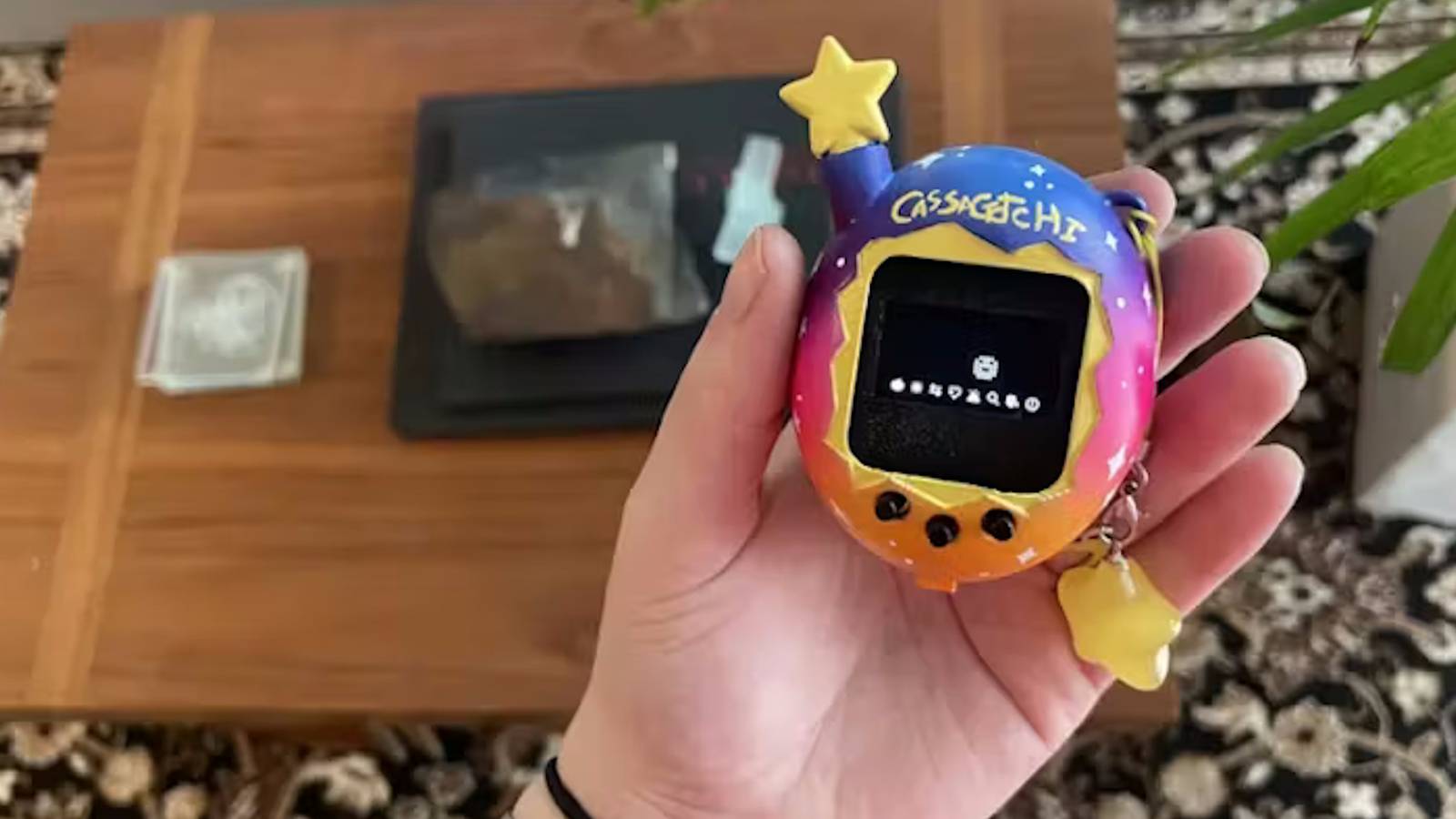
The late 1990s were a golden age for digital innovation, and few gadgets captured the global imagination quite like the Tamagotchi. This small, egg-shaped device, housing a virtual pet that demanded constant attention, became a cultural phenomenon, selling millions worldwide and sparking a new era of interactive toys. Fast forward to today, and while the original Tamagotchi still holds a nostalgic charm, a new wave of creators is taking its legacy into the 21st century. The maker movement, fueled by accessible microcontrollers like the Arduino Nano and the widespread availability of 3D printing, is now enabling enthusiasts to build their own sophisticated, customizable Tamagotchi emulators, complete with modern upgrades like OLED displays and open-source firmware.
The Enduring Appeal of the Digital Pet
The Tamagotchi, first released by Bandai in 1996, wasn't just a toy; it was a cultural touchstone. It introduced a generation to the concept of digital companionship, requiring users to feed, play with, discipline, and clean up after their virtual pet. Its simple pixelated graphics and demanding nature created a unique bond, often leading to genuine emotional attachment. The device tapped into a universal human desire for nurturing and responsibility, albeit in a miniature, electronic format. Its success paved the way for countless other virtual pet games and even influenced the design of early mobile phone games.
However, the original Tamagotchi, for all its charm, had its limitations. Its monochrome LCD screen, limited functionality, and reliance on coin-cell batteries were products of its time. As technology advanced, many wondered what a modern Tamagotchi could be. The answer, it turns out, lies not just in corporate re-releases, but in the hands of the global maker community.
Arduino: The Brains Behind the Bytes
At the heart of many of these DIY Tamagotchi projects is the Arduino Nano. This compact, versatile microcontroller board has become a favorite among hobbyists and engineers alike due to its ease of use, extensive community support, and robust capabilities. For a project like a Tamagotchi emulator, the Nano provides ample processing power and memory to run complex firmware, manage user input from buttons, and drive a small display.
One of the most significant advantages of using Arduino is the open-source ecosystem. Projects like the "ArduinoGotchi" firmware, often released under licenses like the GPL (General Public License), provide a ready-made foundation for enthusiasts. This means that instead of starting from scratch, makers can adapt existing code, tweak functionalities, and personalize their virtual pet experience. This collaborative spirit is a hallmark of the maker movement, allowing for rapid innovation and shared knowledge.
3D Printing: Crafting the Perfect Shell
While the Arduino Nano handles the digital pet's 'life,' the physical form factor is equally important for capturing the Tamagotchi's essence. This is where 3D printing comes into play. With an affordable desktop 3D printer, creators can design and produce custom enclosures that perfectly house the electronics. These shells can mimic the classic egg shape or take on entirely new, imaginative forms. The ability to iterate designs quickly, print in various colors, and even embed custom textures gives makers unparalleled creative control.
Beyond aesthetics, 3D printing offers practical benefits. It allows for precise fitting of components like the OLED display – a common upgrade that provides sharper visuals and better contrast than the original LCDs – as well as buttons, battery compartments, and charging ports. The design files, often shared freely online (e.g., on platforms like Thingiverse), mean that anyone with access to a 3D printer can replicate existing designs or modify them to suit their preferences. This democratization of manufacturing is a game-changer for hobbyists.
The Bill of Materials: What You Need to Build Your Own
For those inspired to embark on their own Tamagotchi building journey, the bill of materials (BOM) is surprisingly accessible and affordable. A typical setup would include:
* Arduino Nano: The core microcontroller. * 3.7V LiPo battery: For portable power, often rechargeable via a micro-USB charging module. * 0.96-inch OLED display: A common choice for its crisp display and low power consumption. * Tactile buttons: Usually three, for navigation and interaction. * Piezo buzzer: To provide the iconic beeps and alerts. * Resistors and wires: Standard electronic components for connections. * 3D-printed enclosure: Custom-designed or downloaded from online repositories.
The total cost for these components can often be under $30-$50, making it an economical and rewarding project. While some technical knowledge in electronics and basic coding is beneficial, the wealth of online tutorials and community forums makes it an achievable goal for even novice makers.
Beyond Nostalgia: Education and Innovation
These DIY Tamagotchi projects are more than just a trip down memory lane; they serve as powerful educational tools. They introduce individuals to fundamental concepts in electronics, programming, and 3D design in a fun and engaging way. By building something tangible and interactive, learners gain practical skills that are highly relevant in today's technology-driven world. The process of debugging code, troubleshooting circuits, and refining 3D prints fosters problem-solving abilities and a deeper understanding of how modern gadgets work.
Furthermore, these projects push the boundaries of what's possible with readily available technology. Makers are constantly experimenting with new features, from advanced animations and custom game logic to connectivity options and even integration with other smart devices. This spirit of continuous innovation ensures that the Tamagotchi, in its open-source form, remains a relevant and evolving platform for creative expression.
The Future of DIY Digital Companions
The phenomenon of the Arduino Nano Tamagotchi is a testament to the power of open-source hardware and software. It demonstrates how a beloved piece of pop culture can be revitalized and reimagined by a passionate community. As 3D printing becomes even more sophisticated and microcontrollers grow more powerful, we can expect to see even more intricate and feature-rich DIY digital pets emerge. Perhaps future versions will incorporate color screens, Wi-Fi connectivity for online interactions, or even AI-driven personalities. The possibilities are as limitless as the imagination of the makers themselves. This retro revival is not just about reliving the past; it's about building the future of personalized, interactive technology, one virtual pet at a time.
Stay Informed
Get the world's most important stories delivered to your inbox.
No spam, unsubscribe anytime.
Comments
No comments yet. Be the first to share your thoughts!