Retro Tech Revival: Your Old Digital Camera Could Be a $500 Goldmine
Dust off your old electronics! A surprising trend is sweeping the globe, turning forgotten gadgets like 90s digital cameras and classic video games into valuable collectibles. New data reveals a booming market for retro tech, driven by nostalgia and a desire for tangible experiences in a digital age. Discover which items are fetching top dollar and why this analog resurgence is more than just a fleeting fad.
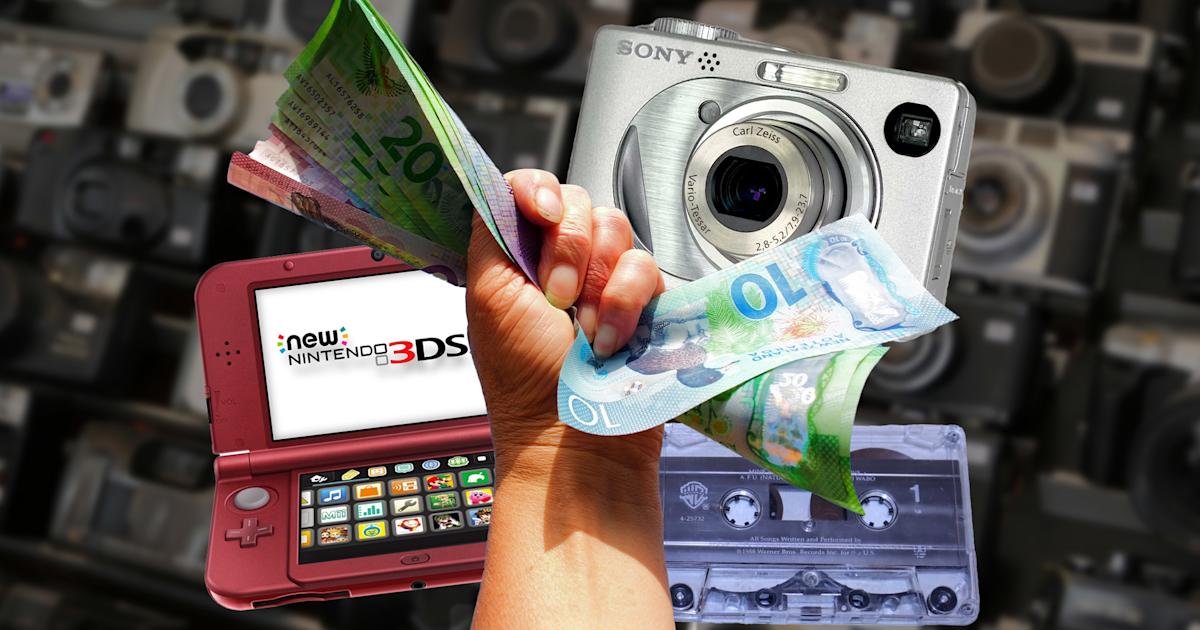
In an era dominated by sleek smartphones and ephemeral digital experiences, a curious and lucrative trend is emerging from the dusty corners of attics and basements worldwide. What if that old digital camera, the one you replaced with an iPhone a decade ago, or that clunky portable CD player, is now worth a small fortune? For many, particularly in places like New Zealand, this isn't a hypothetical question but a burgeoning reality. New data from online marketplaces indicates a significant surge in demand and value for retro technology and vintage collectibles, transforming forgotten gadgets into unexpected goldmines. This isn't merely about clearing out clutter; it's about tapping into a powerful wave of nostalgia and a growing appreciation for the tangible artifacts of a recent past.
The Unlikely Ascent of Analog Nostalgia
The digital revolution, while undeniably transformative, has also inadvertently fueled a counter-movement: a yearning for the tactile, the simple, and the aesthetically unique. Modern devices, while powerful, often lack the distinct character and physical presence of their predecessors. This longing for the past is particularly potent for millennials and Gen Z, who are now old enough to experience nostalgia for their childhoods and early adulthoods. For them, a 90s digital camera isn't just an outdated piece of tech; it's a portal to simpler times, a tangible link to memories before pervasive social media and hyper-connectivity. This sentiment is translating directly into market value, with items once considered obsolete now commanding premium prices. The phenomenon extends beyond just cameras; it encompasses a wide array of electronics, from early MP3 players to vintage gaming consoles and even specific models of mobile phones.
Online trading platforms are reporting unprecedented interest. For instance, a recent analysis by Trade Me, New Zealand's leading online auction site, revealed that certain retro digital cameras, particularly those from the early 2000s, are fetching prices upwards of NZD $500. This isn't for high-end professional gear, but for consumer-grade point-and-shoots that were ubiquitous two decades ago. The appeal lies in their unique aesthetic – the 'CCD look' – which produces images with a distinct, often grainy, and slightly desaturated quality that modern smartphone cameras struggle to replicate. This visual signature has become a coveted artistic style, particularly among younger photographers and content creators seeking an authentic, less polished aesthetic. The trend is global, with similar patterns observed on platforms like eBay and specialized vintage tech communities, indicating a broad cultural shift rather than an isolated local fad.
More Than Just Cameras: A Broader Retro Ecosystem
While digital cameras are currently leading the charge, the retro tech boom is far more expansive. The market is vibrant for a diverse range of items that evoke a sense of history and technological evolution. Think about the iconic iPod Classic, especially the early models with their click wheels; these are no longer just old music players but collector's items. The same goes for early Game Boy consoles, particularly special editions or those in pristine condition. Original Nintendo 64s, Sega Dreamcasts, and even specific models of Sony Walkmans are experiencing a renaissance, driven by both collectors and individuals seeking to relive their youth. The appeal is multifaceted: for some, it's the joy of rediscovering old games or music; for others, it's the thrill of owning a piece of technological history; and for a growing segment, it's about the aesthetic and functional simplicity these devices offer compared to their complex modern counterparts.
This resurgence is also fueled by a growing community of enthusiasts who appreciate the engineering and design of these older devices. Online forums, YouTube channels, and social media groups are dedicated to restoring, modifying, and celebrating retro tech. This community aspect adds another layer of value, as knowledge sharing and access to spare parts become crucial for maintaining these older gadgets. The 'right to repair' movement, advocating for consumers' ability to fix their own electronics, inadvertently supports this retro market by fostering a culture of preservation and longevity for older devices.
The Psychology Behind the Craze: Nostalgia, Aesthetics, and Scarcity
The driving forces behind this retro tech craze are complex, intertwining psychological, aesthetic, and economic factors. Nostalgia is undoubtedly the primary catalyst. As people navigate an increasingly fast-paced and often uncertain world, there's a natural human tendency to look back fondly on periods perceived as simpler or more stable. Owning a gadget from one's formative years can provide a comforting connection to those memories. This emotional attachment translates into a willingness to pay a premium.
Beyond sentimentality, there's a strong aesthetic appeal. Many vintage gadgets boast unique designs, often chunky and colorful, that stand in stark contrast to the minimalist, uniform aesthetic of contemporary electronics. The 'lo-fi' or 'vintage' look produced by older digital cameras, for example, is highly sought after for its artistic qualities, offering a distinct visual signature that differentiates it from the hyper-processed images of modern smartphones. This aesthetic choice is particularly popular among Gen Z, who are constantly seeking ways to express individuality and authenticity in their digital presence.
Economically, scarcity plays a crucial role. Unlike modern mass-produced electronics with short lifecycles, many of these older gadgets are no longer manufactured, and working examples are becoming increasingly rare. As supply diminishes and demand rises, prices naturally inflate. Furthermore, the perceived 'cool factor' and social media influence cannot be underestimated. Viral trends showcasing retro tech, particularly on platforms like TikTok, can rapidly elevate the desirability and market value of specific items, turning them into must-have accessories overnight. This blend of emotional resonance, unique aesthetics, and market dynamics creates a perfect storm for the retro tech boom.
How to Spot Your Own Digital Goldmine
So, how can you determine if you're sitting on a potential treasure? The first step is to literally dig through your old boxes. Look for digital cameras from brands like Sony Cyber-shot, Canon PowerShot, Nikon Coolpix, and Olympus from the late 1990s to mid-2000s. Models with unique features, robust build quality, or a distinctive 'CCD sensor look' are particularly desirable. Don't overlook early MP3 players, especially original iPods. Gaming consoles like the Nintendo 64, Sega Dreamcast, PlayStation 1, and even early handhelds like the Game Boy Color or Advance can be valuable, especially if they are in good condition, come with original packaging, or include rare games.
Condition is paramount. A well-preserved item, especially one that still functions, will fetch significantly more than a damaged or non-working one. Original boxes, manuals, and accessories (like chargers, cables, and even original memory cards) add considerable value. Before selling, do your research. Check completed listings on major online marketplaces to understand current market prices. Clean the item carefully, take clear, well-lit photos, and write a detailed description highlighting its features, condition, and any included accessories. Emphasize its 'retro' appeal and the unique aesthetic it offers. Remember, what might seem like junk to you could be a cherished piece of history, or a sought-after artistic tool, for someone else.
The Future of Retro: A Sustainable Trend?
Is this retro tech phenomenon a fleeting fad or a sustainable trend? Experts suggest it's likely to endure, at least for the foreseeable future. The underlying drivers – nostalgia, aesthetic preference, and the desire for tangible experiences – are deeply ingrained human traits. As technology continues to advance at a breakneck pace, the appeal of simpler, more robust, and uniquely designed older devices will likely only grow. Furthermore, the environmental consciousness surrounding electronic waste (e-waste) lends an unexpected layer of sustainability to this trend. By giving old gadgets a second life, collectors and enthusiasts are inadvertently contributing to a circular economy, reducing the demand for new manufacturing and minimizing landfill contributions.
This movement highlights a fascinating paradox: in our hyper-digital world, the analog and the retro are gaining unprecedented value. It's a reminder that innovation doesn't always render the past obsolete; sometimes, it simply recontextualizes it, allowing us to appreciate the charm and character of what came before. So, before you toss out that box of old electronics, take a moment. You might just be holding a piece of history that's worth far more than you ever imagined, a tangible link to a bygone era that continues to captivate and inspire.
Stay Informed
Get the world's most important stories delivered to your inbox.
No spam, unsubscribe anytime.
Comments
No comments yet. Be the first to share your thoughts!