Samsung's Gigantic Onyx Cinema LED Screen Redefines the Future of Moviegoing at CinemaCon 2026
Samsung has unveiled its largest-ever Onyx Cinema LED solution at CinemaCon 2026, marking a significant leap in cinematic technology. This new screen promises unparalleled visual immersion, challenging traditional projector-based systems. With deeper blacks, vibrant colors, and enhanced brightness, Samsung aims to elevate the movie-watching experience for audiences worldwide. This innovation signals a new era for cinema operators seeking to differentiate their offerings.
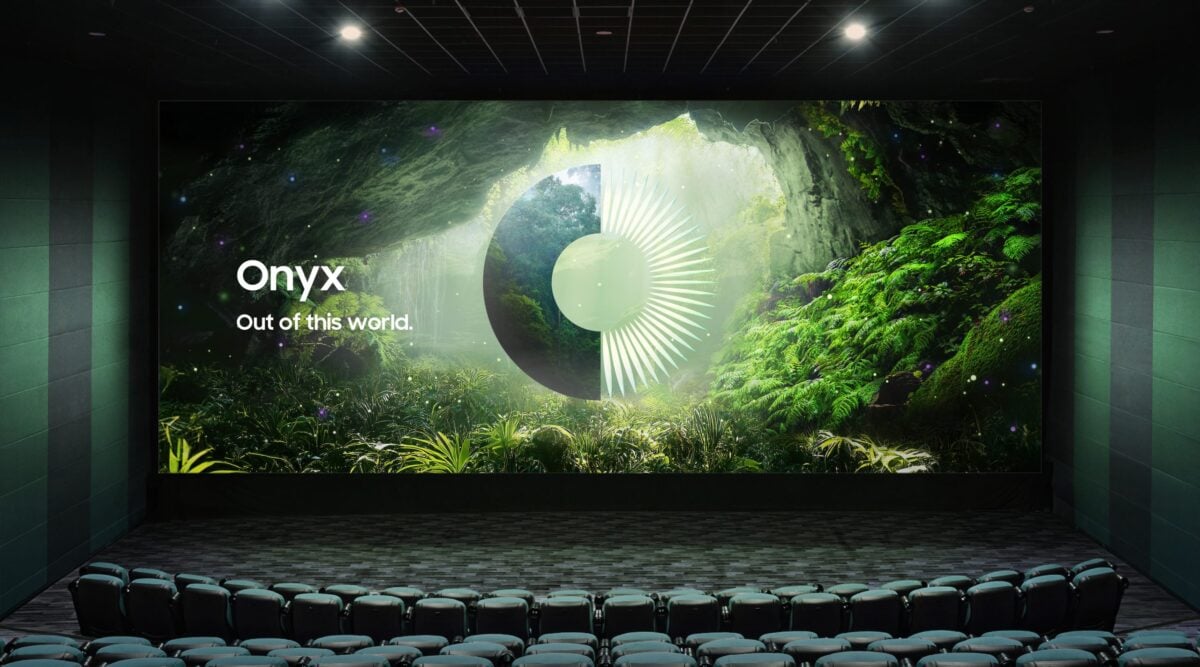
The silver screen, a symbol of cinematic magic for over a century, is undergoing a profound transformation. At CinemaCon 2026 in Las Vegas, the annual gathering where the future of film exhibition is often charted, Samsung unveiled a technological marvel that promises to redefine the very essence of moviegoing: its largest Onyx Cinema LED solution to date. This isn't merely an incremental upgrade; it's a bold statement, a colossal display designed to immerse audiences in a visual spectacle previously unimaginable within the confines of a traditional theater.
For decades, the projector has been the undisputed king of the cinema booth, casting light through film or digital files onto a reflective surface. Samsung's Onyx technology, however, bypasses this age-old method entirely, replacing it with a direct-view LED screen that delivers light and color with astonishing precision. This latest iteration, significantly larger than its predecessors, signals Samsung's unwavering commitment to pushing the boundaries of what's possible in premium cinema experiences, setting a new benchmark for visual fidelity and audience engagement.
The Dawn of Direct-View: A Paradigm Shift in Cinema Technology
Samsung first introduced its Onyx Cinema LED technology in 2017, challenging the entrenched projector market with a radical proposition. Instead of projecting light onto a screen, Onyx screens are composed of millions of tiny LED pixels that emit light directly. This fundamental difference unlocks a host of advantages. Traditional projectors, even the most advanced digital ones, struggle with true black levels and contrast ratios due to ambient light and the inherent limitations of projection. Onyx, by contrast, can achieve perfect blacks by simply turning off individual pixels, leading to an infinite contrast ratio that makes images pop with incredible depth and realism.
Brightness is another critical factor. While traditional projectors often operate in dimly lit environments to maintain image quality, Onyx screens can deliver significantly higher peak brightness levels without sacrificing color accuracy or black levels. This capability is particularly crucial for HDR (High Dynamic Range) content, which requires a broader spectrum of light and dark to convey its full impact. The new, larger Onyx screen showcased at CinemaCon 2026 amplifies these benefits, providing an even grander canvas for filmmakers to tell their stories with unprecedented visual power. The sheer scale of this new display means that the immersive qualities are magnified, filling the peripheral vision of viewers and drawing them deeper into the cinematic world.
Unpacking the Visual Superiority: Beyond Brightness and Black
The allure of the Onyx Cinema LED extends far beyond its impressive brightness and contrast. Color reproduction is another area where LED technology shines. Onyx screens boast a wider color gamut, capable of displaying a more extensive range of colors than conventional projectors. This means that the vibrant hues of a fantastical landscape or the subtle shades of a character's costume are rendered with breathtaking accuracy and intensity. The result is a picture that feels more lifelike, more engaging, and ultimately, more true to the filmmaker's original vision.
Furthermore, the uniformity of brightness and color across the entire screen is exceptional. Unlike projected images, which can sometimes exhibit hot spots or uneven illumination, an LED screen ensures a consistent visual experience from edge to edge. This is particularly important for large formats, where even minor discrepancies can become distracting. The new giant Onyx screen leverages advanced calibration technologies to maintain this pristine uniformity, ensuring every seat in the house offers a premium view. The elimination of projection lamps also means consistent performance over time, without the gradual degradation of brightness and color that projector bulbs experience. This translates to lower maintenance costs and a consistently high-quality experience for cinema operators.
The Business of Innovation: Implications for Cinema Operators and the Industry
The introduction of such a monumental technological leap naturally raises questions about its impact on the cinema industry. For cinema operators, investing in an Onyx Cinema LED screen represents a significant capital expenditure. However, the potential returns are equally substantial. In an era where streaming services and home theaters offer increasingly sophisticated viewing experiences, cinemas must differentiate themselves. An Onyx screen provides a compelling reason for audiences to choose the theater over their living room, offering an unparalleled visual spectacle that cannot be replicated at home.
Early adopters of Onyx technology have reported increased attendance and positive audience feedback, particularly for blockbuster films and premium content. The ability to host alternative content, such as live sports, concerts, or gaming events, with stunning visual clarity also opens new revenue streams. Moreover, the long lifespan and lower operational costs (no lamp replacements, reduced power consumption compared to some high-end projectors) can offset the initial investment over time. Samsung's strategy is clear: to position Onyx as the definitive premium cinema experience, attracting a discerning audience willing to pay a premium for superior quality. This also creates a competitive pressure on other display manufacturers and projector companies to innovate further, ultimately benefiting consumers.
The Future of Film: A Glimpse into Tomorrow's Theaters
The unveiling of Samsung's largest Onyx Cinema LED screen at CinemaCon 2026 is more than just a product launch; it's a window into the future of cinematic exhibition. As technology continues to advance, we can expect even larger, more efficient, and more affordable LED solutions to emerge, potentially making direct-view screens the norm rather than the exception in premium theaters. The implications for filmmakers are also profound. With screens capable of displaying such incredible detail, contrast, and color, directors and cinematographers will have an even broader palette to work with, pushing the boundaries of visual storytelling.
Imagine films shot specifically to leverage the infinite contrast of an Onyx screen, with scenes of deep space rendered with breathtaking realism, or vibrant fantasy worlds exploding with color. The future of cinema is not just about bigger screens, but about screens that offer a fundamentally different, more immersive, and more emotionally resonant experience. Samsung's latest Onyx display is a powerful testament to this evolving vision, promising a golden age of visual spectacle for movie lovers around the globe. It's a bold step forward, ensuring that the magic of the movies continues to captivate and inspire for generations to come, adapting to and indeed shaping the technological landscape of entertainment.
Stay Informed
Get the world's most important stories delivered to your inbox.
No spam, unsubscribe anytime.
Comments
No comments yet. Be the first to share your thoughts!