Samsung's LPDDR4 Sunset: Ushering in a New Era of Faster, More Efficient Mobile Memory
Samsung is reportedly ceasing new orders for LPDDR4 and LPDDR4X memory, signaling a definitive shift towards the more advanced LPDDR5 and LPDDR5X standards. This strategic move promises to bring significantly faster and more power-efficient RAM to a broader range of devices, including budget smartphones and wearables, by 2027. The transition marks a pivotal moment for mobile technology, enhancing user experience across the board.
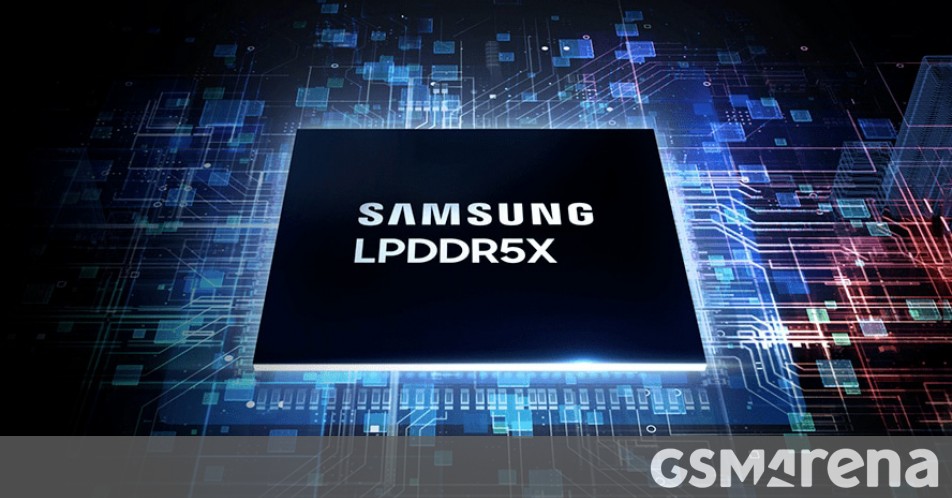
In a significant development poised to reshape the landscape of mobile technology, industry giant Samsung is reportedly winding down its production of LPDDR4 and LPDDR4X memory chips. Sources familiar with the DRAM market indicate that the company is currently accepting final orders for these older-generation modules, with production slated to continue only until 2026 to fulfill existing commitments. This strategic pivot signals an accelerated transition towards the more advanced LPDDR5 and LPDDR5X standards, promising a future where even budget-friendly devices boast superior performance and energy efficiency.
For years, LPDDR4 and its slightly improved variant, LPDDR4X, have been the workhorses of the mobile world, powering everything from flagship smartphones to entry-level tablets. Their widespread adoption was a testament to their balance of cost, performance, and power consumption. However, the relentless march of technological progress demands continuous innovation. The impending retirement of LPDDR4/4X is not merely an end of an era; it's the forceful ushering in of a new one, characterized by unprecedented speed and efficiency in mobile computing.
The Dawn of LPDDR5: A Leap Forward in Mobile Performance
The move to LPDDR5 and LPDDR5X is more than just an incremental upgrade; it represents a substantial leap in memory technology. LPDDR5, first introduced in 2019, offers significantly higher bandwidth and improved power efficiency compared to its predecessors. While LPDDR4X typically peaked at data transfer rates of around 4,266 Mbps, LPDDR5 can achieve speeds of up to 6,400 Mbps, with LPDDR5X pushing that even further to 8,533 Mbps. This dramatic increase in speed translates directly into a more responsive and fluid user experience, particularly for demanding applications, high-resolution gaming, and complex multitasking.
Beyond raw speed, LPDDR5 also incorporates advanced power-saving features. It introduces a new low-power operating mode and dynamic voltage scaling, allowing the memory to adjust its power consumption based on workload. This is crucial for mobile devices, where battery life is a paramount concern. By reducing energy consumption, LPDDR5 contributes to longer usage times, a benefit that resonates deeply with consumers who rely on their devices throughout the day. The enhanced efficiency also helps in managing heat, which is vital for maintaining sustained performance in compact form factors.
Democratizing High-Performance Memory: Implications for Budget Devices
Perhaps the most exciting implication of Samsung's decision is the democratization of high-performance memory. Historically, cutting-edge technologies debut in premium flagship devices before slowly trickling down to mid-range and budget segments. With LPDDR4/4X production ceasing, manufacturers will have little choice but to adopt LPDDR5/5X for all new designs, including those targeting the entry-level and mid-range markets.
This means that by 2027, even affordable smartphones, tablets, and potentially wearables will come equipped with memory modules that were once exclusive to top-tier devices. For consumers, this translates to:
* Faster App Loading: Applications will launch and run more smoothly. * Improved Multitasking: Switching between apps will be seamless, even with many open. * Enhanced Gaming: More demanding mobile games will perform better with higher frame rates and reduced lag. * Quicker Data Processing: Tasks involving large data sets, such as AI processing on-device or high-resolution video editing, will see significant speed improvements. * Longer Battery Life: The inherent power efficiency of LPDDR5 will extend device usage between charges.
This shift is particularly impactful for emerging markets, where budget devices constitute a significant portion of sales. It ensures that a broader global population can access devices capable of handling the increasingly sophisticated demands of modern mobile computing.
The Supply Chain Ripple Effect and Market Dynamics
Samsung's dominant position in the DRAM market means its decisions send significant ripples throughout the entire technology supply chain. As the company ramps down LPDDR4/4X, other memory manufacturers are likely to follow suit, further accelerating the industry-wide transition. This consolidation around LPDDR5/5X will streamline production processes and eventually lead to economies of scale, making the newer memory types more cost-effective to produce and integrate.
However, the transition won't be without its challenges. Device manufacturers will need to redesign their motherboards and optimize their software to fully leverage the capabilities of LPDDR5/5X. This requires investment in research and development, as well as close collaboration with memory suppliers. For smaller manufacturers, this could present a temporary hurdle, but the long-term benefits of adopting the superior standard are undeniable.
Furthermore, the move could also influence pricing strategies in the memory market. As LPDDR4/4X becomes scarcer, its price might fluctuate, potentially impacting the cost of repairing or maintaining older devices. Conversely, increased production volumes of LPDDR5/5X are expected to drive down its per-unit cost over time, making it more accessible across all device tiers.
Looking Ahead: The Future of Mobile Memory Beyond 2027
The retirement of LPDDR4/4X by 2027 marks a critical milestone, but the evolution of mobile memory is far from over. The industry is already looking towards LPDDR6 and beyond, which promise even greater speeds, lower power consumption, and potentially new architectural innovations. These future iterations will be crucial for supporting emerging technologies such as advanced artificial intelligence on-device, augmented reality (AR), virtual reality (VR), and the ever-increasing demands of 5G and future wireless communication standards.
Samsung's strategic decision is a clear indicator of the industry's commitment to pushing the boundaries of mobile performance and efficiency. By standardizing on LPDDR5/5X, the company is not just upgrading components; it's laying the groundwork for the next generation of mobile experiences. Consumers can look forward to a future where their devices, regardless of price point, are more powerful, more responsive, and more enduring than ever before, truly transforming how we interact with the digital world on the go.
Stay Informed
Get the world's most important stories delivered to your inbox.
No spam, unsubscribe anytime.
Comments
No comments yet. Be the first to share your thoughts!